Updated July 5, 2026

Dealer Open Lot Insurance in Oklahoma City
A lot of dealers here revisit coverage right when a lease is signed, a secondary storage yard is added, or a seasonal inventory push leaves more units outside than usual. Dealer open lot insurance in Oklahoma City becomes a practical buying decision at that moment, because the question is not just how many vehicles you own, but where they sit, how tightly they are packed, and how often they move between frontage display, overflow space, and off-site storage. That matters in a market where buyers span very different payment expectations. Oklahoma City median household income is $66,702, so your mix may include value-focused used inventory, higher-turn financing deals, or a broader spread of price points that changes total lot values week to week. If your schedule of locations, maximum values, or transit between addresses lags behind operations, a loss review gets harder fast. Before you bind or renew, line up every address where units sit, your peak inventory counts, and the highest total value you carry at one time, then ask for those assumptions to be shown clearly on the quote.
Dealer Open Lot Insurance Risk Factors in Oklahoma City
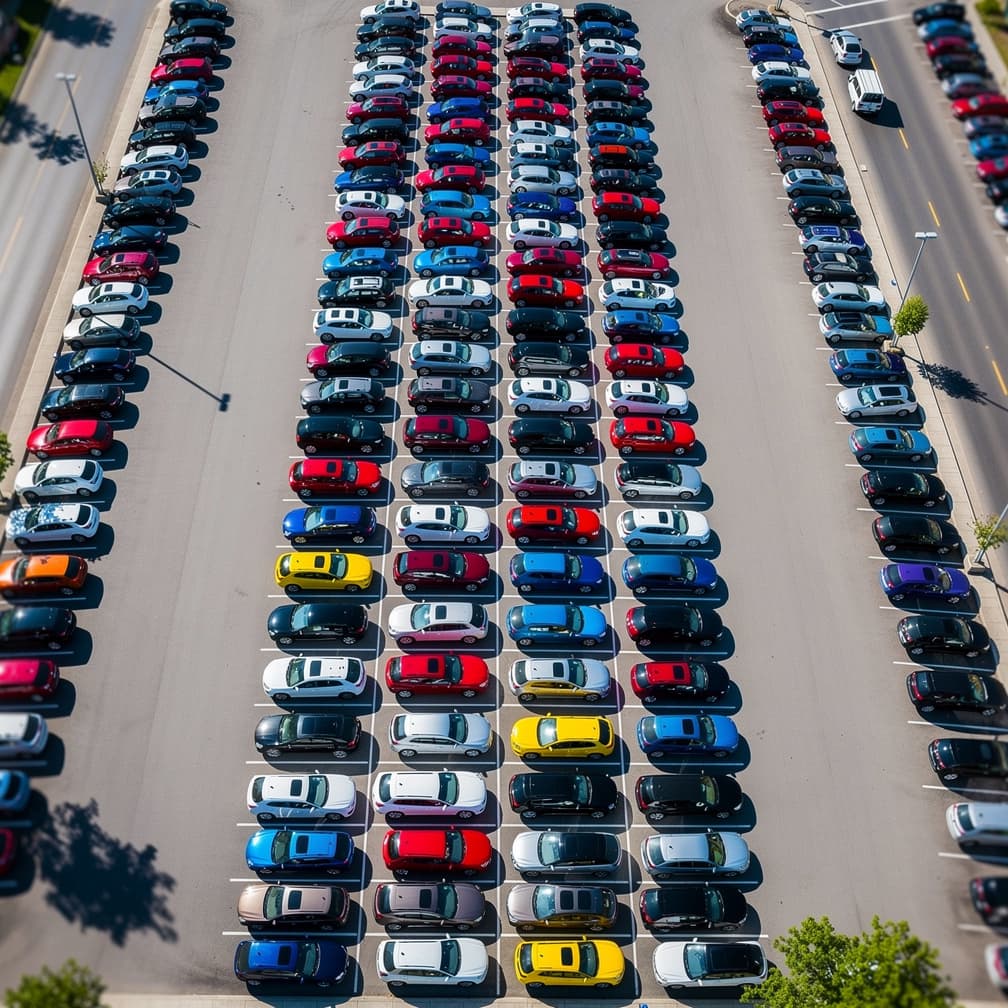
Local lot layout is the real exposure issue here. The state page already covers Oklahoma weather, but the city difference is operational: many dealers work with a customer-facing lot, a cheaper overflow area, and occasional temporary parking tied to reconditioning, transport, or space constraints. That setup can leave inventory split across **multiple addresses**, with values changing by the week. If one location carries your highest-value units while another holds dense overflow inventory, your policy review should test whether limits, reporting assumptions, and listed premises still match reality. A downtown-adjacent frontage lot creates a different concentration problem than a larger edge-of-market storage yard, even before weather enters the picture. Map where vehicles sleep overnight, note which locations are fenced or lighted, and separate display inventory from back-lot storage before you request terms.
Oklahoma has a very high climate risk rating. Top hazards: Tornado (Very High), Hailstorm (Very High), Severe Storm (Very High), Earthquake (Moderate). The state's expected annual loss from natural hazards is $2.4B, which influences dealer open lot insurance premiums and may affect coverage availability in high-risk areas.
What Dealer Open Lot Insurance Covers
In Oklahoma, the useful review is less about repeating the basic causes of loss and more about checking how the policy responds to the way your inventory is staged and handled. Many dealers keep sale units in more than one area, with front-line display spaces, overflow rows, service-adjacent parking, and occasional offsite storage. If your schedule, location descriptions, or reporting method do not match that setup, you can create avoidable disputes after a loss.
Start by looking closely at where covered vehicles are kept during business hours, overnight, and during severe weather alerts. If you rotate inventory between your main lot and another storage location, ask whether each location needs to be specifically shown and how temporary movement is treated. The same review matters if units are parked tightly for merchandising, spread out for customer access, or grouped by value.
You should also review how the policy treats vehicles during ordinary dealership handling. In practice, that means checking movement around the premises, transfers between nearby storage areas, and procedures around demonstrations or test drives if those exposures touch your inventory workflow. Oklahoma weather makes documentation especially important, because a storm loss can affect many units at once. A current inventory list, dated photos, key-control records, and a clear map of where vehicles are stored can make the difference between a straightforward claim and a long reconstruction exercise.
If you are comparing forms, endorsements, or claim handling language, keep your review grounded in Oklahoma-specific policy terms and filing standards rather than assuming another state form reads the same way.
Coverage Included

Weather Damage
Covers hail, wind, flood, and storm damage to lot inventory.
Theft Protection
Covers vehicles stolen from your lot.
Fire Damage
Covers fire and explosion damage to inventory vehicles.

Vandalism
Covers intentional damage to vehicles on your lot.
Test Drive Coverage
Covers vehicles during customer and employee test drives.
Transit Coverage
Covers vehicles being moved between lot locations.
Industries & Insurance Needs in Oklahoma City
County business density changes how quickly dealer inventory can turn and where it may need to be stored. Oklahoma County has 24,665 business establishments, so dealers often operate in a market with constant vendor traffic, nearby service relationships, and pressure to use space efficiently rather than leave excess room on the main lot. The county mix also matters: health care and social assistance accounts for 13.1% of establishments, professional, scientific, and technical services 13%, and retail trade 12.1%. That points to a broad commuter and service-economy customer base, which can support steady demand for practical daily-driver inventory and faster lot rotation. For insurance, the takeaway is simple: if units arrive, sell, and relocate quickly, your reported maximum values and storage addresses can fall out of date. Review peak inventory by location, not just average monthly counts, before you compare quotes.
What Makes Oklahoma City Different
Inventory spread is what changes the calculus here. In this market, the harder question is often not whether you have dealer open lot coverage, but whether the policy is built around one visible sales lot while your actual exposure is spread across several operating points. A dealer may show vehicles on a main corridor, stage overflow units elsewhere, and move cars for detailing, repairs, or space management during the same week. That creates a documentation problem as much as a property problem. If your declarations, location schedule, or maximum value assumptions are built for a simpler footprint than the one you run today, you can end up reviewing a loss against outdated facts. The useful buying move is to treat this as an operations audit. List every place inventory is parked, identify the highest-value concentration, and ask whether the quote contemplates temporary overflow, routine transfers, and peak seasonal counts.
Our Recommendation for Oklahoma City
Start with a location-by-location worksheet before you shop. Include each address, the usual vehicle count, the highest total value kept there, and whether the site is primary display, overflow, service-related, or temporary storage. Then compare that worksheet against the quote, not just the premium. If your inventory mix changes with local demand, ask how the policy handles short-term spikes in total values and whether any reporting or notice expectations apply when units are moved. If you finance inventory, confirm that lender expectations and your insurance setup point to the same locations and values. If a site is used only part of the month, mention it anyway. A cleaner submission usually gets a more useful answer than a vague one. If you want a quote that is easier to trust, send your current schedule of locations, recent peak inventory totals, and any planned lot changes before renewal discussions start.
Get Dealer Open Lot Insurance in Oklahoma City
Enter your ZIP code to compare dealer open lot insurance rates from carriers in Oklahoma City, OK.
Business insurance starting at $25/mo
FAQ
Frequently Asked Questions
Oklahoma City dealers should disclose any overflow storage lot where inventory is parked regularly or during peak periods. If vehicles are split between a sales lot and another address, ask the insurer to review listed locations, value concentration, and how transfers are handled.
Oklahoma City inventory swings matter because total lot values can change faster than paperwork. If your mix shifts between lower-priced used units and higher-value vehicles, review peak values by location and ask the quote to reflect those highs, not just a quiet month.
Oklahoma County has 24,665 business establishments, so dealers often work in a fast-moving local market with tight space and frequent vendor activity. That makes it worth reviewing off-site storage, overflow parking, and the highest value parked at each address.
Oklahoma City median household income is $66,702, so many dealers carry a practical mix of vehicles aimed at different payment comfort levels. That can change average unit values and total inventory concentration, which is worth reviewing before renewal.
Oklahoma City dealers should mention routine moves tied to detailing, repairs, or temporary space management. If vehicles do not stay on one lot all week, ask how the policy contemplates those movements and whether any location updates should be made.
Your policy may help cover vehicles you keep outdoors for sale, but the coverage depends on accurately listing storage locations, following reporting rules, and documenting inventory after a storm. That means reviewing policy terms for location scheduling, temporary movement, and post-storm documentation requirements, especially if your lot uses overflow space or frequent vehicle repositioning.
Yes. You should disclose every place sale units are regularly kept, including overflow and offsite storage. That helps the underwriter evaluate the real exposure and reduces the chance of a location dispute after a storm or theft claim.
Oklahoma lots often face fast-changing severe weather, so one event can affect many vehicles at once. That makes peak inventory values, row layout, drainage, and photo documentation important parts of the buying decision, not just operational details.
Sources
- 1.U.S. Census Bureau, ACS 5-Year Estimates, table B19013(Oklahoma City median household income is $66,702)
- 2.U.S. Census Bureau, County Business Patterns, Oklahoma County(Oklahoma County has 24,665 business establishments; The county mix includes health care and social assistance 13.1%, professional, scientific, and technical services 13%, and retail trade 12.1%)
Updated July 5, 2026