








































Updated July 16, 2026

Inland Marine Insurance in Oklahoma City
Health care, professional services, and retail shape a lot of mobile property exposure in Oklahoma City. If you are reviewing inland marine insurance here, that matters because your equipment and inventory rarely stay at one address. Oklahoma County's establishment shares are led by health care and social assistance at 13.1%, professional and technical services at 13%, and retail trade at 12.1%. In practical terms, that means a single policy may need to handle diagnostic tools, project laptops, and display stock moving between offices, client sites, and events all at once. The county also has a large business base, which means many landlords, clients, and subcontracting partners expect clean certificates and clear property schedules before work starts or goods are handed off. If your operation serves clinics, office users, or storefronts across the metro, build your policy around what actually travels with your team rather than assuming your main property form follows everything automatically.
Inland Marine Insurance Risk Factors in Oklahoma City
Oklahoma City's top risk factors include Tornado damage, Hail damage, Severe storm damage, and Wind damage.
Oklahoma has a very high climate risk rating. Top hazards: Tornado (Very High), Hailstorm (Very High), Severe Storm (Very High), Earthquake (Moderate). The state's expected annual loss from natural hazards is $2.4B, which influences inland marine insurance premiums and may affect coverage availability in high-risk areas.
What Inland Marine Insurance Covers
In Oklahoma, inland marine insurance is designed for business property that is mobile, in transit, or temporarily away from your main location. That includes tools, equipment, materials, and goods being transported between job sites. The core coverages in this product line include protection for tools and equipment, goods in transit, contractors equipment, installation floater, and builders risk.
State rules do not create a special mandatory form, but the Oklahoma Insurance Department oversees the market, so policy terms, endorsements, and underwriting standards can vary by carrier. The written scope of coverage matters more than a generic summary. In practice, businesses often use this coverage for theft, damage, vandalism, and other covered perils while property is away from the primary business location. Exact exclusions and limits depend on the policy.
Oklahoma's elevated tornado and hail risk can also make location, storage method, and job-site exposure more important when a carrier reviews the risk. If you need installation floater coverage for materials waiting to be placed, or builders risk coverage for a project under construction, ask how the policy treats temporary storage, transit between counties, and equipment left on active sites.
Coverage Included
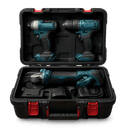
Tools & Equipment
Can help repair or replace hand tools, power tools, and gear that are stolen or damaged on the job or in transit.
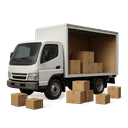
Goods in Transit
May cover products, materials, and merchandise while they are being shipped or hauled between locations in your care.
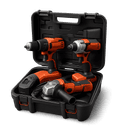
Contractors Equipment
Typically covers heavy machinery like excavators, loaders, and generators against theft or damage at job sites and between them.

Installation Floater
Can help cover materials and fixtures from the moment you buy them until they are installed and accepted at a project.

Builders Risk
May cover a structure under construction, along with materials on site, against damage from fire, wind, theft, and vandalism.
Inland Marine Insurance Cost in Oklahoma City
Average Cost in Oklahoma
$20 - $95
per month
Businesses in Oklahoma typically see inland marine insurance premiums of $20 - $95 per month, which tends to run 4% below the national range of $20 - $100 per month.
- Total insured value of the scheduled property
- Type and age of the equipment
- Where it is stored and how far it travels
- Jobsite security and theft prevention
- Per-item limits and deductibles
- Prior theft and in-transit losses
Contact CPK Insurance for a personalized quote.
Prices shown are general estimates, not guaranteed rates or quotes. Your actual premium will depend on the insurer, coverage selected, business details, location, claims history, and other underwriting factors. Learn about our pricing methodology.
For Oklahoma businesses, inland marine insurance cost is typically shaped by the state's near-average premium environment and its higher weather exposure. Actual pricing varies by carrier, class of business, and how much mobile property you insure.
Oklahoma's premium index is 102, which means pricing is close to the national average overall, so your base premium may not carry a state-specific surcharge. However, the state's elevated tornado, hailstorm, and severe-storm risk can push premiums upward for property that travels or sits outside a permanent building. Carriers also look at coverage limits and deductibles, claims history, location, industry or risk profile, and policy endorsements. A contractor with equipment moving between Oklahoma City, Norman, and Edmond may see different pricing than a business that only occasionally ships goods.
Oklahoma has many active insurance companies competing for business, including Oklahoma Farm Bureau and Shelter insurance in the broader market, so shopping multiple quotes can materially change your options. Smaller operations often need tighter limits and clearer schedules to avoid paying for more coverage than they need. When you request a quote, be ready to show what you move, where it goes, how it is stored, and how often it is in transit.
What Makes Oklahoma City Different
In many places, inland marine questions start with contractors' tools alone. Around this market, the bigger issue is often mixed mobile property. Medical devices go to satellite locations, professional firms carry high-value electronics, and retailers move stock to pop-ups and off-site storage. Because those same three sectors dominate the local economy, you should review whether one policy needs multiple coverage sections instead of a narrow tools-only approach. That matters most if your staff transports property in personal vehicles, leaves equipment at client premises, or accepts customer items for service, calibration, setup, or short-term custody. When you prepare to discuss your policy, list each property class separately, note its peak value away from your premises, and identify where responsibility changes hands.
Our Recommendation for Oklahoma City
Start with a movement map, not a generic equipment list. Write down what leaves your premises, who has custody of it, and when responsibility shifts to a client or partner. Oklahoma County has 24,665 business establishments. That volume means your property is changing hands in parking lots, lobbies, and job sites almost daily, so tracking custody matters as much as tracking value. Check replacement cost assumptions on electronics and specialized equipment rather than insuring to an outdated purchase price, particularly if your clients expect fast replacement. Before your next delivery or site visit, ask your agent to walk through scheduled versus blanket limits, employee tools, installation exposures, and whether certificates match your contract language.
Get Inland Marine Insurance in Oklahoma City
Enter your ZIP code to compare inland marine insurance rates from carriers in Oklahoma City, OK.
Business insurance starting at $25/mo
FAQ
Frequently Asked Questions
If your team moves equipment, inventory, or customer property between locations, start here. Oklahoma County's mix of health care, professional services, and retail points to frequent off-site property movement that a fixed-location policy may not address the same way.
Yes, because employee-carried stock, tools, and electronics can fall through the gap between your property policy and a personal auto policy. With a large business base in the county, deliveries and temporary setups are common, so ask how transit and off-premises custody are handled.
One policy often can combine several mobile property exposures, depending on policy terms. That is worth reviewing locally because health care and professional services dominate the county's industry mix, which often creates combined equipment schedules.
Ask that the certificate reflect your actual property exposure, not just prove a policy exists. Because contracts and vendor onboarding often move quickly in a large business market, request that covered property, transit exposure, and any customer-property wording are reviewed before issuance.
Policyholders can direct insurance regulatory questions to the Oklahoma Insurance Department. For buying decisions, the practical step is to compare your quote wording against your contracts, equipment schedule, and off-site storage habits before binding coverage.
In Oklahoma, inland marine insurance may help cover tools, equipment, building materials, and goods while they are moving between locations, at job sites, or in temporary storage, but the exact list depends on the policy wording and carrier.
It is meant to follow covered property away from your main premises, so a contractor in Oklahoma City or Tulsa can insure items that stay at a site or in short-term storage, subject to the policy's storage and security terms.
Contractors, electricians, plumbers, landscapers, photographers, caterers, IT service providers, and businesses that ship goods or hold customer property often need it because their property does not stay at one fixed location.
Sources
- 1.U.S. Census Bureau, County Business Patterns, Oklahoma County(In Oklahoma County, health care and social assistance account for 13.1% of establishments, professional, scientific, and technical services 13%, and retail trade 12.1%.; The county has 24,665 business establishments.)
- 2.Oklahoma Insurance Department(Oklahoma's insurance regulator is the Oklahoma Insurance Department.)
Updated July 16, 2026





