Updated July 16, 2026

On-Hook Towing Insurance in Oklahoma City
Oklahoma County supports 24,665 business establishments, which means your trucks are constantly moving vehicles for fleets, retailers, medical offices, and contractors who expect clear proof of coverage before they hand over keys. A single damaged customer vehicle can interrupt a commercial account, delay a delivery route, or strain a dealership or repair-shop referral relationship. Local towing work shifts fast between private-property impounds, accident recovery, shop-to-shop moves, and roadside calls on busy arterial routes. Your quote should match how your trucks are actually dispatched and what kinds of vehicles you most often take into your care. If you handle late-model pickups, work for body shops, or rotate between police, property-management, and cash calls, make sure on-hook limits, deductibles, and any restrictions tied to storage, winching, or after-hours operations are reviewed before you bind coverage.
On-Hook Towing Insurance Risk Factors in Oklahoma City
Oklahoma City's top risk factors include Tornado damage, Hail damage, Severe storm damage, and Wind damage.
Oklahoma has a very high climate risk rating. Top hazards: Tornado (Very High), Hailstorm (Very High), Severe Storm (Very High), Earthquake (Moderate). The state's expected annual loss from natural hazards is $2.4B, which influences on-hook towing insurance premiums and may affect coverage availability in high-risk areas.
What On-Hook Towing Insurance Covers
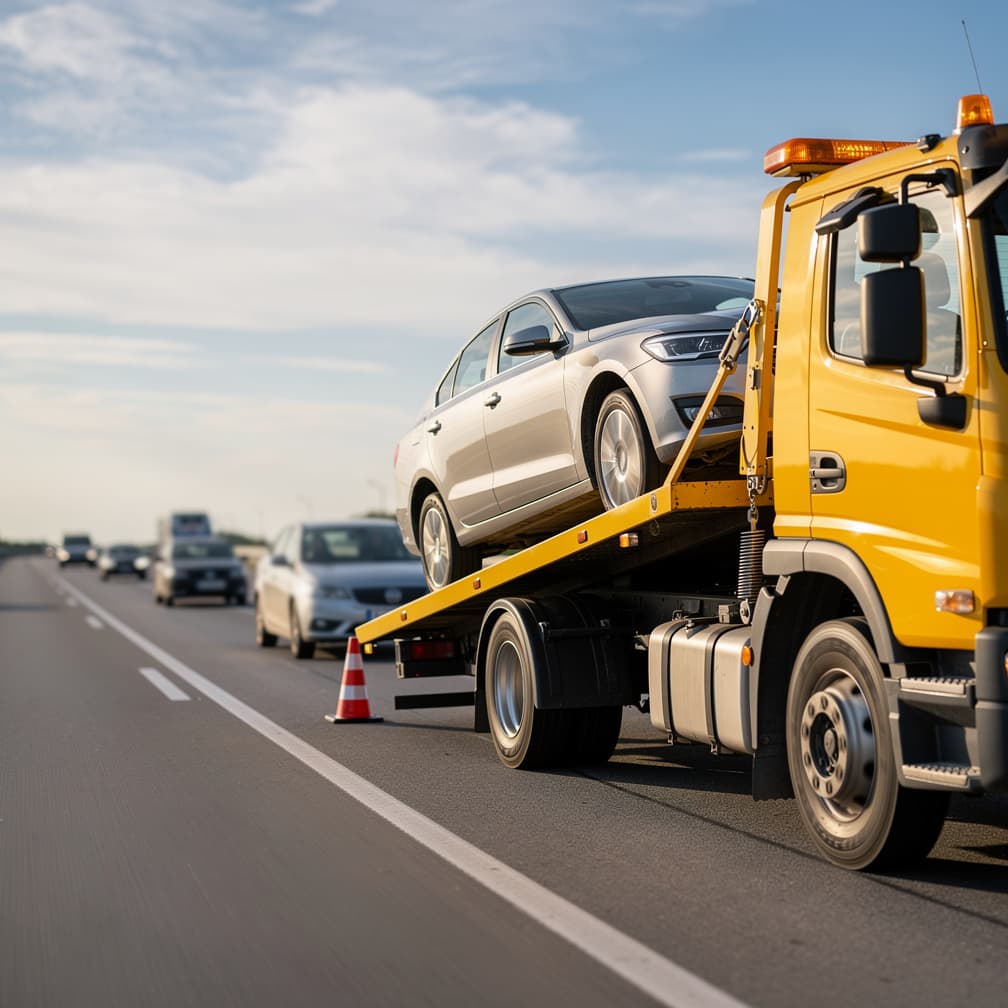
On-hook coverage can help pay for damage to a customer vehicle that happens while it is being handled by your truck during a tow. A wheel-lift call on a narrow shoulder, a flatbed load during heavy rain, a recovery after high wind, or a late-night impound from a crowded lot can all create different damage scenarios and different arguments about handling. Your policy terms and deductible selections shape how those damage claims are evaluated and what you pay out of pocket.
For many towing businesses in the state, the important coverage discussion starts with service mix. Your quote should separate those realities clearly enough that an underwriter can see what each truck is doing.
You should also review whether your contracts create stricter expectations than your policy language. Police rotation agreements, impound contracts, motor club work, and dealer relationships often require prompt certificates and clear evidence of the right coverage parts. If a customer vehicle is damaged and the paperwork around dispatch, photos, condition notes, or release forms is weak, the claim can become harder to defend. Ask for specimen forms and compare them against how your drivers document each pickup and drop-off.
Coverage Included
Collision on Hook
Covers damage to towed vehicles from collisions during transport.
Comprehensive on Hook
Covers theft, fire, and weather damage to vehicles being towed.
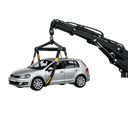
Loading & Unloading
Covers damage during the process of loading and unloading vehicles.
Winching Coverage
Covers damage to vehicles during winching and recovery operations.
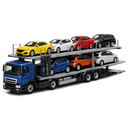
Multiple Vehicle
Covers all vehicles on multi-car carriers and rollback flatbeds.
Industries & Insurance Needs in Oklahoma City
Oklahoma County's establishment mix leans toward health care and social assistance at 13.1%, professional, scientific, and technical services at 13%, and retail trade at 12.1%, so local towing demand often includes employee parking enforcement, customer-lot removals, service calls for retail corridors, and transport involving work vehicles that cannot stay out of service long. For an on-hook buyer, that changes the conversation from simple truck count to vehicle type, account mix, and downtime sensitivity. A damaged sedan on a cash call is one claim scenario. A damaged work van tied to a professional firm or a vehicle removed from a medical campus can create a more complicated customer dispute and a faster demand for documentation. When you request quotes, break out how much of your book comes from private-property towing, commercial accounts, roadside assistance, and repair-facility moves so the policy review follows your actual dispatch pattern.
What Makes Oklahoma City Different
What sets this market apart is account density. In a market with a broad base of local businesses, many tow operators are not just chasing one-off roadside calls. They are protecting referral relationships with apartments, retailers, repair shops, fleets, and property managers that expect fast certificates, clean claim handling, and limits that make sense for the vehicles being moved. An on-hook loss can cost more than the repair itself if it disrupts a standing account or raises questions about how your operation handles keys, photos, condition reports, and release procedures. Review your policy around the jobs that create the most friction: after-hours impounds, shop transfers, low-clearance recoveries, and any work involving newer vehicles with expensive sensors, cameras, or specialty equipment. If your current setup was built around occasional towing, recheck it before you renew or add another contract.
Our Recommendation for Oklahoma City
Start with your dispatch reality, not a generic tow-truck application. When you rotate between private-property impounds, accident scenes, dealer transports, and body-shop moves, ask the agent to separate those job types during the quote review so on-hook limits and deductibles are tested against your highest-value tows. Oklahoma City median household income is $66,702, which means many of the vehicles you hook onto carry real replacement value. You should also ask how the policy responds if damage is alleged after drop-off, what records help defend the claim, and whether your procedures for photos, walkarounds, and signed condition reports line up with the coverage being offered. If you are comparing options, bring a current loss run, your truck list, your service radius, and a breakdown of commercial versus cash calls so the quote reflects the work you actually accept.
Get On-Hook Towing Insurance in Oklahoma City
Enter your ZIP code to compare on-hook towing insurance rates from carriers in Oklahoma City, OK.
Business insurance starting at $25/mo
FAQ
Frequently Asked Questions
When a tow involves a business vehicle, a damage claim can ripple into lost revenue, delayed deliveries, and strained referral relationships. Ask for limits and claim procedures that fit shop transfers, private-property work, and fleet-related calls.
The density of commercial accounts shapes what your policy needs to do for you. Many operators need policy terms that support recurring commercial relationships and faster proof-of-coverage requests.
Describe how often you handle impounds, accident recovery, roadside calls, and shop-to-shop transports. Your highest-value tows and the job types most likely to produce a claim should anchor the conversation.
Yes. Many households in the area drive newer pickups, SUVs, and daily drivers. Check whether your on-hook limit still fits the replacement value of what you regularly move.
The Oklahoma Insurance Department oversees policy and carrier questions statewide. For your buying decision, stay focused on operations: vehicle types, dispatch mix, documentation, and the contracts or referral sources that depend on your claim response.
If your drivers take physical custody of customer vehicles for towing or transport, on-hook coverage is the part of your policy that can help pay for damage to those vehicles while they are in your care. Without it, a damage claim during a tow may fall on your garagekeepers or general liability, which may not respond the same way.
Oklahoma operators should review storm-related dispatches carefully because severe weather can change loading conditions, visibility, and recovery difficulty. Ask how your policy terms, deductibles, and exclusions apply to the kinds of bad-weather calls your drivers actually accept.
Oklahoma submissions work better when they separate roadside towing, recovery, impounds, repossessions, and dealer transport instead of blending everything together. A clearer service description helps the underwriter match terms to your real dispatch pattern and may reduce avoidable coverage disputes.
Sources
- 1.U.S. Census Bureau, County Business Patterns, Oklahoma County(Oklahoma County supports 24,665 business establishments.; Oklahoma County's establishment mix leans toward health care and social assistance at 13.1%, professional, scientific, and technical services at 13%, and retail trade at 12.1%.)
- 2.U.S. Census Bureau, ACS 5-Year Estimates, table B19013(Oklahoma City median household income is $66,702.)
- 3.Oklahoma Insurance Department(Oklahoma Insurance Department)
Updated July 16, 2026