







































Updated July 16, 2026

Commercial Truck Insurance in Tulsa
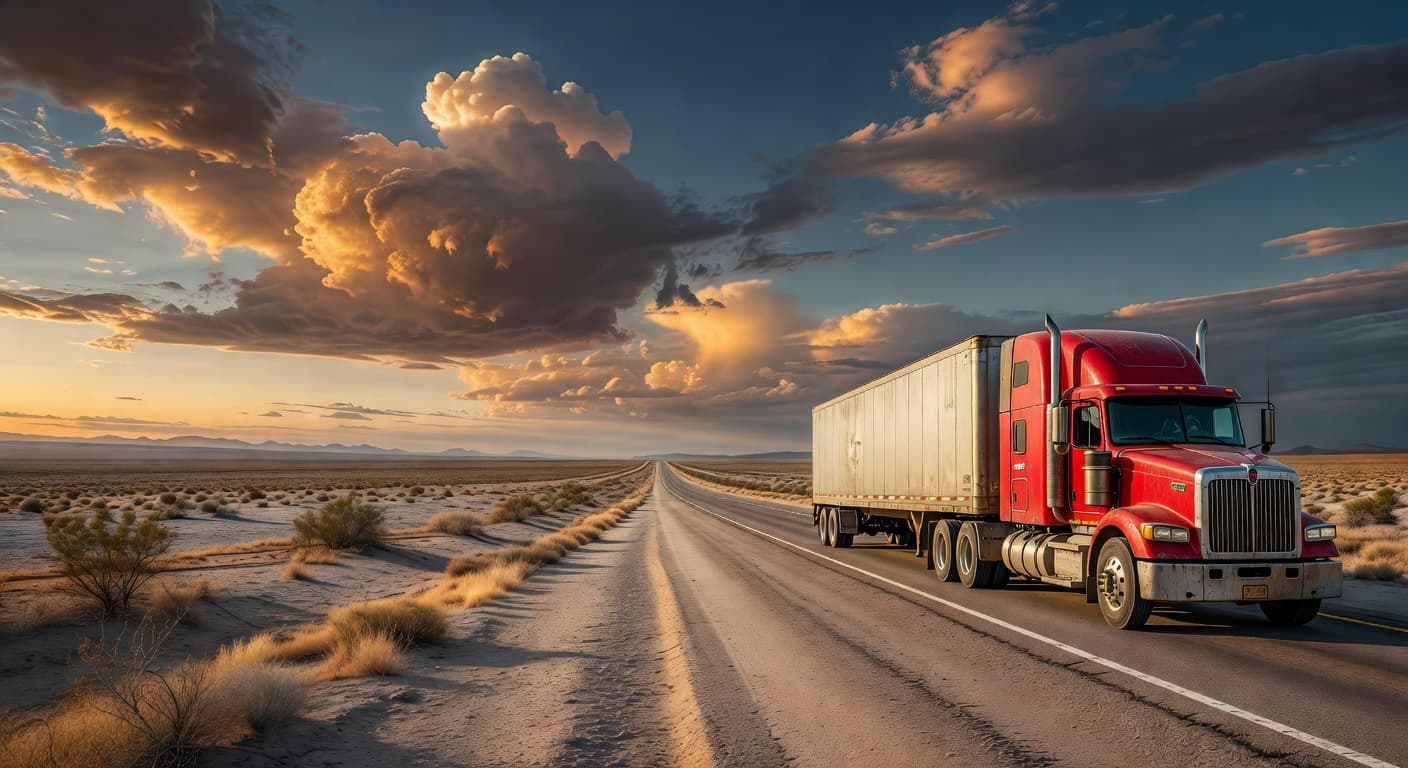
If you are comparing commercial truck insurance in Tulsa, the local decision is less about the state average and more about where your trucks actually run. Every freight corridor, industrial yard, job site, and busy city street with frequent stops creates its own set of exposures. Your policy has to fit the freight you move and the routes your drivers actually work, whether that means retail trade, manufacturing, oil and gas extraction, government, or healthcare-related hauling. The city also has a cost-of-living index of 101, which means premiums stay close to the national baseline but still shift based on your specific operation. A one-truck owner, a flatbed moving equipment, and a small fleet serving multiple area customers can all need different limits and endorsements. The quote details matter as much as the premium number.
Commercial Truck Insurance Risk Factors in Tulsa
Tulsa’s risk profile makes truck coverage more than a box-checking exercise. The city has a high natural disaster frequency, with top risks including tornado damage, hail damage, severe storm damage, and wind damage. For trucking, that can affect **physical damage coverage** for trucks parked outdoors, cargo in transit, and trailer interchange situations where equipment exposure changes quickly during loading and unloading. Tulsa also has **12% of the city in a flood zone**, which can matter for garaging, yard location, and where trailers sit between loads. On the roadway side, weather conditions are a leading crash cause, followed by following too closely and running red lights or stop signs. Those patterns make truck liability insurance in Tulsa and collision planning especially relevant for stop-and-go routes, freight pickups, and local delivery schedules.
Oklahoma has a very high climate risk rating. Top hazards: Tornado (Very High), Hailstorm (Very High), Severe Storm (Very High), Earthquake (Moderate). The state's expected annual loss from natural hazards is $2.4B, which influences commercial truck insurance premiums and may affect coverage availability in high-risk areas.
What Commercial Truck Insurance Covers
In Oklahoma, the useful coverage conversation usually starts with the gaps between a plated truck, a financed truck, and a truck that is actively under dispatch. Your policy review should separate what can help protect you for injury or property damage you cause to others, what may apply to damage to your own truck, and what may be needed because of the way you haul, park, or swap equipment during the week.
For many operators, liability is only the first checkpoint. Oklahoma's auto liability minimum is $25,000/$50,000/$25,000. That means if you injure one person in a crash, a $30,000 hospital bill leaves you personally responsible for the $5,000 your policy does not pay. A serious crash can run through those limits fast, leaving your business exposed to the remaining damages. If a shipper, broker, or terminal agreement expects higher limits, ask for those requirements to be reviewed early so the quote is built around the work you actually accept.
Physical damage deserves the same operational review. A truck parked outside, financed through a lender, or running through hail, wind, and storm-prone conditions can create a very different deductible discussion than a unit stored indoors and used on a tighter schedule. If you pull non-owned trailers, trailer interchange may need to be reviewed separately from your truck's own damage coverage. If you haul goods for others, cargo terms should be checked against the commodities you move, where losses are most likely to happen, and whether theft, spoilage, or load-specific exclusions matter to your operation.
The practical next step is to map each truck to its use. That means primary radius, commodity, trailer arrangement, garaging location, and whether the unit ever operates without a trailer or outside dispatch.
Coverage Included

Motor Carrier Liability
Can help cover injuries and property damage your truck causes to others, a coverage federal regulators require most for-hire carriers to maintain.
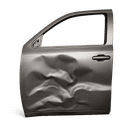
Physical Damage
Can help pay to repair or replace your own truck after an accident, fire, theft, or vandalism.
Cargo Coverage
May pay for damage to or theft of the freight you are hauling while it is in your care.
Trailer Interchange
Can help cover damage to trailers you haul under an interchange agreement but do not own.
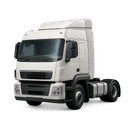
Bobtail Coverage
May provide liability protection when you drive your tractor without a trailer attached, such as after dropping off a load.

Non-Trucking Liability
Can help cover accidents that happen when you use your truck for personal errands rather than dispatched work.
Commercial Truck Insurance Cost in Tulsa
Average Cost in Oklahoma
$480 - $1,275
per month
Businesses in Oklahoma typically see commercial truck insurance premiums of $480 - $1,275 per month, which tends to run 15% above the national range of $400 - $1,125 per month.
- Radius of operation
- Commodities hauled and cargo value
- Number and value of power units
- Driver motor vehicle records and CDL experience
- DOT safety record, inspections, and FMCSA scores
- Liability limits and physical damage deductibles
Contact CPK Insurance for a personalized quote.
Prices shown are general estimates, not guaranteed rates or quotes. Your actual premium will depend on the insurer, coverage selected, business details, location, claims history, and other underwriting factors. Learn about our pricing methodology.
Cost in Oklahoma usually turns on exposure details, not a single statewide price. Your premium may depend on the truck type, driving radius, driver history, garaging setup, requested limits, deductibles, cargo profile, and whether the unit is owner-operated or part of a fleet. Your quote request should be built around the exact way each truck is used.
A local box truck with a short radius and predictable parking may rate very differently from a tractor that crosses state lines, changes trailers, or carries higher-value freight. The same is true if one unit is financed, another is owned outright, and a third is only used seasonally. Deductible choices also matter. A higher deductible can reduce premium, but only if your business can absorb that out-of-pocket cost after a storm loss, collision, or theft claim.
Driver mix is another major pricing lever. If you add inexperienced drivers, have recent violations, or rotate operators between units, ask for those details to be reviewed up front instead of corrected later in the process. Misstated mileage, garaging, or business use can create problems later if a claim file shows the truck operates differently than the application suggested.
To get a quote you can actually use, prepare the VINs, unit values, driver license information, years of experience, loss runs if available, and a clear description of commodities, territory, and trailer ownership. That gives you a cleaner comparison between options instead of a low initial number that changes once underwriting sees the full picture.
What Makes Tulsa Different
Frequent city driving and weather-driven exposure together shape most local policies. Tulsa trucking operations often face a blend of stop-and-go traffic, industrial pickups, and storm-prone parking or loading conditions, which changes how liability, collision, and physical damage are priced and structured. The city also carries a 12 percent flood-zone share, which means roughly one in eight local yards and garages may sit where water damage is a real possibility during severe weather. Crash patterns back this up, with weather ranking as the top cause of local trucking incidents, so your storage location deserves as much attention as your driving routes. For many operators, the real question is how to match liability, cargo, and off-dispatch protections to the specific routes and contracts they actually accept.
Our Recommendation for Tulsa
Your routes and loading patterns are the right place to start. If your trucks spend time in dense local traffic, ask how the policy handles collision exposure and stop-and-go claims. If you park near industrial areas or in storm-exposed yards, make sure physical damage coverage reflects that specific storage risk. For cargo-heavy operations, confirm how your policy treats your freight type and whether trailer interchange is included when you use equipment you do not own. Owner-operators should also verify bobtail coverage and non-trucking liability so off-dispatch miles are clearly addressed. When you request a quote, include your garaging address, driver details, freight mix, and any shipper contract requirements so the result reflects local weather, traffic, and industry-specific hauling instead of a generic estimate.
Get Commercial Truck Insurance in Tulsa
Enter your ZIP code to compare commercial truck insurance rates from carriers in Tulsa, OK.
Business insurance starting at $25/mo
FAQ
Frequently Asked Questions
Begin with motor carrier liability, then add physical damage, cargo, trailer interchange, bobtail, or non-trucking liability based on how your trucks operate day to day in Tulsa.
Tulsa's tornado, hail, severe storm, and wind exposure can influence physical damage and cargo planning, especially if trucks or trailers are stored outdoors in unprotected lots.
An urban address adds traffic exposure while an open rural lot may carry more storm risk, and both can shift how a carrier prices your policy.
That depends on whether you drive outside dispatch and how your motor carrier contract defines those miles, so check both before you assume you are covered.
If you move higher-value goods, mixed freight, or contract cargo, ask specifically how the policy treats your load.
Oklahoma sets a basic auto liability minimum of $25,000/$50,000/$25,000, but a working truck often faces contract requirements and loss severity that go beyond that baseline. Review your limits against the loads you haul, the equipment you use, and any certificates you must provide.
Oklahoma operators often focus on premium first, but storm exposure can make deductible selection just as important. If your truck is parked outdoors or financed, review physical damage terms, unit value, and what out-of-pocket amount your business can handle after a covered loss.
Oklahoma owner-operators usually get a cleaner quote by bringing the truck VIN, stated value, garaging address, driver information, prior coverage details, and any lease or dispatch requirements. That helps the quote reflect how the tractor actually runs instead of relying on broad assumptions.
Updated July 16, 2026





