







































Updated July 16, 2026

Garage Keepers Insurance in Tulsa
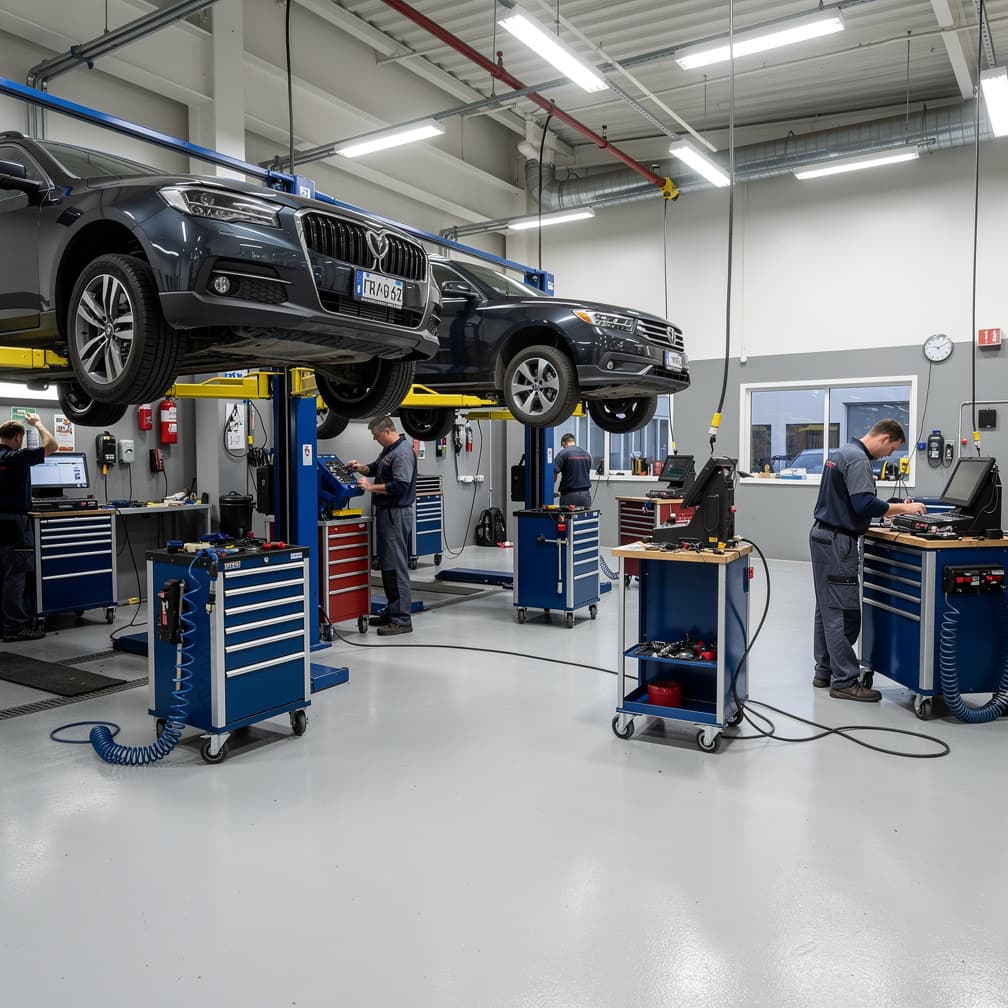
You may run a service bay near Midtown, a body shop west of downtown, or a detail operation that picks up customer cars from offices and medical campuses. The real question is not just whether you touch customer vehicles, but how they move through your day. Curbside drop offs, after hours key handoffs, overnight storage, and test drives on busy arterial routes all shape your exposure. Tulsa also pulls customers from a wider county business base, so commercial accounts may expect faster turnaround and documented custody controls before they leave a fleet unit with you. Take a full week and map where vehicles sit, who is cleared to move them, how keys change hands, and whether your lot layout funnels traffic in ways that invite backing, scraping, or pileups.
Garage Keepers Insurance Risk Factors in Tulsa
Local weather exposure is part of the garage keepers conversation here because many operations use a mix of indoor bays and outdoor holding space. If customer vehicles wait outside for supplements, parts, or pickup, your review should focus on where **accumulation builds** during the day and whether certain rows or overflow areas take the most exposure. That matters even more if you regularly keep higher value pickups, SUVs, or work vans overnight instead of turning them the same day. The practical step is to map your lot the way an underwriter would: front line parking, fenced storage, side yard overflow, and any off site space you use when volume spikes. Then match that layout to your requested limits, your key control process, and the **maximum number of customer units** you can realistically have in your care at one time.
Oklahoma has a very high climate risk rating. Top hazards: Tornado (Very High), Hailstorm (Very High), Severe Storm (Very High), Earthquake (Moderate). The state's expected annual loss from natural hazards is $2.4B, which influences garage keepers insurance premiums and may affect coverage availability in high-risk areas.
What Garage Keepers Insurance Covers
In Oklahoma, the most useful garage keepers review usually starts with where customer vehicles sit between intake and pickup. A shop that lines vehicles along an open side yard has a different exposure than a service department with fenced storage, indoor bays, and limited overnight accumulation. That difference affects how you should review direct primary versus legal liability, how much loss you could absorb through a deductible, and whether your limit is high enough for the mix of vehicles you regularly hold.
State conditions make concentration risk worth more attention here than a generic product summary suggests. If your lot can hold several customer vehicles during a fast-moving weather event, one incident can turn into a multi-vehicle claim. That is why you should review not only the total limit, but also your maximum number of customer vehicles on site after hours, where higher-value units are parked, and whether unfinished repairs leave vehicles waiting longer than expected.
You should also look closely at the handoff points that create disputes. After-hours drop boxes, open key cabinets, road tests, sublet vendors, tow arrivals, and vehicles waiting for parts can all change who had custody at the time of loss. Clear intake photos, signed work orders, and documented preexisting damage help support the claim file if a customer challenges what happened on your premises. It is smart to ask for specimen forms and endorsements early in the process. Review exclusions, storage conditions, and claim notice requirements line by line, then compare them against your actual lot layout and daily workflow.
Coverage Included
Collision Coverage
Covers damage to customers' vehicles from collisions while in your care.

Comprehensive Coverage
Covers theft, vandalism, fire, and weather damage to customers' vehicles.

Specified Perils
Covers only specifically named perils at a lower premium.

Legal Liability
Covers damage you or your employees directly cause to a customer's vehicle.

Direct Primary
Pays regardless of fault, the broadest garage keepers coverage available.
Industries & Insurance Needs in Tulsa
County business mix changes who leaves vehicles with you and how they expect them handled. In Tulsa County, the leading sectors by establishment share are professional, scientific, and technical services at 12.4%, retail trade at 12.2%, and health care and social assistance at 11.5%, so a local shop may see more time sensitive personal vehicles, employee commuter cars, and small commercial units that need to get back on the road quickly. That affects your garage keepers review because delayed pickup, temporary storage, and repeated vehicle movement across a crowded lot can raise custody exposure even when repair work itself is routine. If you serve office users, retailers, or medical practices, ask for a quote built around actual turnover speed, overnight count, and whether you ever hold multiple business vehicles for the same account.
What Makes Tulsa Different
Tulsa County has 19,392 business establishments. In practical terms, that many active businesses means your lot could see a mix of sales cars, employee vehicles, and small fleets all arriving on tighter schedules than a neighborhood personal auto. As more keys circulate and short term staging increases, customer vehicles get moved by someone other than the original intake employee. If your book includes repeat commercial clients, review whether your limits assume several units from one account could be on site at once. Check whether your intake process documents preexisting damage, pickup authority, and where each vehicle is stored during each phase of the job.
Our Recommendation for Tulsa
Start your review with your busiest day, not your average day. Track how many customer vehicles are on site at opening, how many arrive before noon, how many stay overnight, and how often employees reposition units to free a bay. If your customers include households watching repair costs closely, keep in mind that Tulsa's median household income is $58,407. For a family bringing in that amount, a single car is often the only way to get to work, so delays or condition disputes hit harder and faster. Build your quote request around your actual controls. What matters is whether you have signed intake forms, photo documentation, key logs, fenced storage, camera coverage, and clear rules for who can road test or move vehicles after hours. If any part of your operation relies on overflow parking or informal key handling during rush periods, bring that up before binding so the policy review matches the way you really operate.
Get Garage Keepers Insurance in Tulsa
Enter your ZIP code to compare garage keepers insurance rates from carriers in Tulsa, OK.
Business insurance starting at $25/mo
FAQ
Frequently Asked Questions
Tulsa body shops should review maximum vehicle accumulation first: how many customer units can sit outside, where they are parked, and how long they stay there. An underwriter gets a far clearer picture from peak day data than from a slow day car count.
Tulsa pickup and delivery operations usually need a closer custody review because vehicles change hands more often, keys move between employees, and units may be staged before return. Your quote needs to capture that workflow, not just the list of services you perform.
Tulsa County draws a broad business customer base, so local shops may handle more employee vehicles, sales cars, or light fleet units. More same day movement, temporary storage, and multiple vehicles from one account on site together can all follow from that mix.
Tulsa County's leading sectors include professional services at 12.4% and health care and social assistance at 11.5%. Roughly one in nine local jobs falls into each of those categories, so your customers often cannot leave a vehicle for long. If delayed pickup is common, review whether your limits fit your real overnight count.
Tulsa households have a median income of $58,407. When a family at that income level depends on one vehicle, every day without it is a logistical problem, so condition issues get noticed fast. Clear photos, signed intake notes, and documented pickup authority can prevent disputes after the work is finished.
Repair shops often carry both because they address different risks. Garage liability can help cover damage you cause to someone else's property while operating your business, while garage keepers may cover damage to a customer's vehicle while it is in your care, custody, or control. If customer vehicles stay on your lot, move through your bays, or remain overnight, review garage keepers terms carefully and compare them against your actual storage and handling process.
Businesses here should pay close attention to outdoor storage, peak vehicle accumulation, and deductible choice. If several customer vehicles can be exposed at once, your limit and storage plan deserve a closer review before you bind or renew.
Body shops should include peak vehicle count, indoor versus outdoor storage, key control procedures, after-hours drop-off details, and how long vehicles usually remain on site. That information helps the quote reflect your real custody exposure instead of a simplified estimate.
Sources
- 1.U.S. Census Bureau, County Business Patterns, Tulsa County(Tulsa County has 19,392 business establishments, which means many shops are not just handling neighborhood personal autos.; In Tulsa County, the leading sectors by establishment share are professional, scientific, and technical services at 12.4%, retail trade at 12.2%, and health care and social assistance at 11.5%, so a local shop may see more time sensitive personal vehicles, employee commuter cars, and small commercial units that need to get back on the road quickly.)
- 2.U.S. Census Bureau, ACS 5-Year Estimates, table B19013(Tulsa's median household income is $58,407, so disputes over condition, delays, or storage can become more sensitive when a family depends on one vehicle and expects a clear handoff process.)
Updated July 16, 2026





