







































Updated July 10, 2026

Jewelry Store Insurance in Oregon
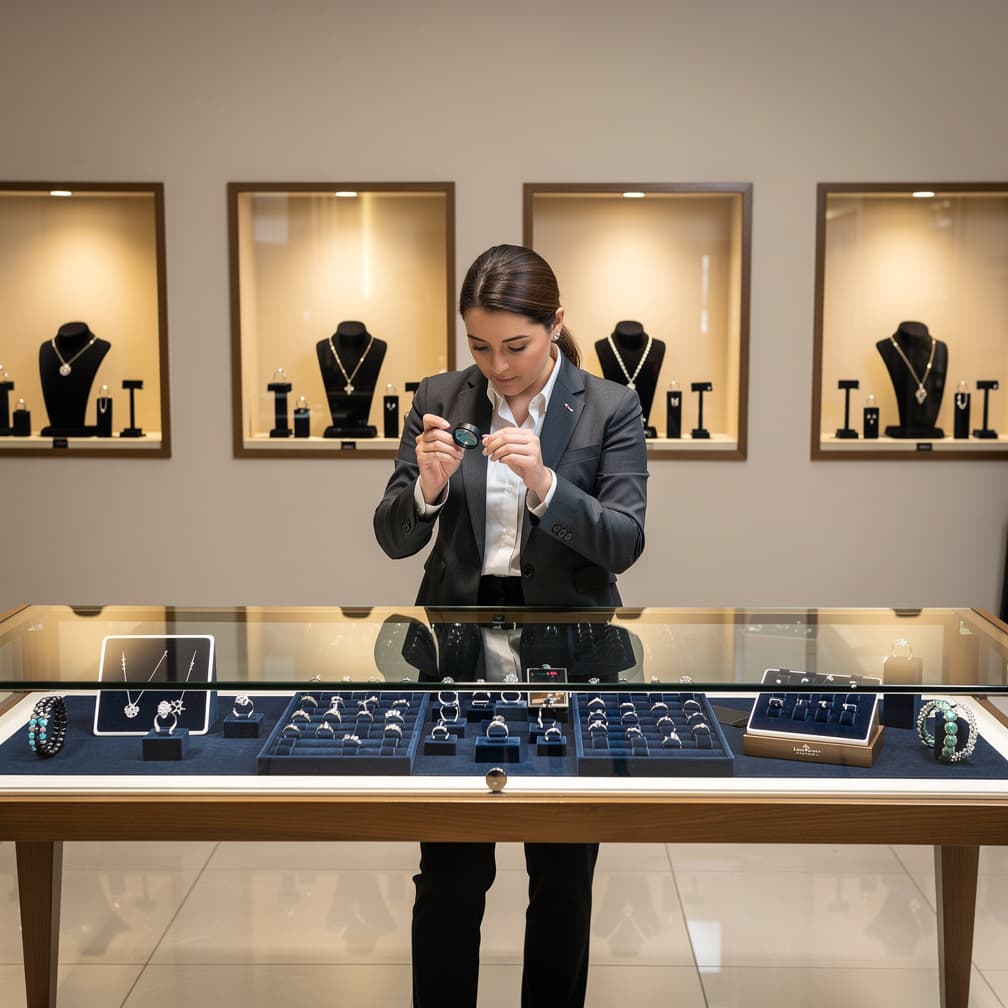
A jewelry store in Oregon has to protect more than display cases and precious inventory. A downtown retail district location may face steady foot traffic, while a mall kiosk, strip mall storefront, or historic main street shop may have different exposure to theft, customer injury, and property damage. In a tourist district or luxury retail corridor, high-value pieces can also raise the stakes for inventory protection coverage and specialized valuation coverage. Oregon’s wildfire and earthquake risk can disrupt operations, damage the building, or force a temporary closure that affects business interruption planning. That is why a jewelry store insurance quote in Oregon should be built around how you actually sell, store, and move inventory. The right conversation starts with showcases, back-room stock, customer pieces, and the security controls you already use. It should also account for lease requirements, workers' compensation rules if you have employees, and whether your policy needs commercial property insurance, general liability insurance, commercial crime insurance, inland marine insurance, or workers compensation insurance.
Climate Risk Profile
Natural Disaster Risk in Oregon
Understanding climate-related risks helps determine appropriate insurance coverage levels.
Wildfire
Very High
Earthquake
High
Flooding
Moderate
Landslide
Moderate
Expected Annual Loss from Natural Hazards
$620M
estimated economic loss per year across Oregon
Source: FEMA National Risk Index
Risk Factors for Jewelry Store Businesses in Oregon
- Oregon wildfire exposure can interrupt sales and increase building damage risk for jewelry cases, safes, and stored inventory.
- Earthquake risk in Oregon can affect showcases, display lighting, secure storage, and inventory protection coverage needs.
- Flooding in parts of Oregon can create property damage and business interruption concerns for storefronts in lower-lying retail areas.
- Landslide risk in Oregon can lead to building damage and temporary closure for shops near hillside or slope-adjacent locations.
- Customer slip and fall exposure in Oregon jewelry stores is a key concern in polished floors, narrow aisles, and high-traffic display areas.
How Oregon compares with the national baseline
Property crime per 100,000 residents
3,050 vs 2,200 baseline
Property crime in Oregon runs above the national average, at 3,050 vs 2,200 incidents per 100,000 residents.
Blue bar: Oregon. Gray line: national baseline.
How Much Does Jewelry Store Insurance Cost in Oregon?
Jewelry Store Insurance is a bundle of separate policies, priced separately. The ranges below are typical figures for Oregon for each line, except workers compensation, which is rated per $100 of payroll; a quote prices each one against your own operations.
| Coverage | Typical range | What moves your price |
|---|---|---|
| Commercial Property Insurance | $280 - $1,075 per month | Building value and construction type, roof age and condition, fire protection class |
| General Liability Insurance | $65 - $230 per month | Industry and risk classification, annual revenue, number of employees |
| Commercial Crime Insurance | $65 - $250 per month | Employees who handle money or inventory, internal controls and separation of duties, funds and securities on hand |
| Inland Marine Insurance | $120 - $550 per month | Total insured value of the scheduled property, type and age of the equipment, where it is stored and how far it travels |
| Workers Compensation Insurance | $0.75 - $2.74 per $100 of payroll | Employee classification codes, total annual payroll, experience modification rate |
Prices shown are general estimates, not guaranteed rates or quotes. Your actual premium will depend on the insurer, coverage selected, business details, location, claims history, and other underwriting factors. Learn about our pricing methodology.
What Oregon Requires for Jewelry Store Insurance
Non-compliance can result in fines, loss of contracts, and personal liability:
- Workers' compensation is required in Oregon for businesses with 1 or more employees, with exemptions listed for sole proprietors, partners, and corporate officers.
- Most commercial leases in Oregon require proof of general liability coverage, so lease documents should be reviewed before binding a policy.
- Commercial auto liability minimums in Oregon are $25,000/$50,000/$20,000 if the business needs vehicle coverage for deliveries or errands.
- Coverage placement should be reviewed with the Oregon Division of Financial Regulation, which regulates insurance in the state.
- Quote requests should confirm whether inland marine, commercial crime, and property coverage are included or added by endorsement, since policy structure can vary by carrier.
| Requirement | What Oregon law says |
|---|---|
| Auto liability minimums | $25,000/$50,000/$20,000 (bodily injury per person / per accident / property damage). These floors apply to personal and business vehicles alike; lenders and contracts often require more. |
| Workers compensation | Generally required once you have your first employee. Some roles are exempt, so confirm current thresholds before you hire. |
| Where to verify | Oregon Division of Financial Regulation publishes current requirements, consumer guides, and license lookups. |
Get Your Jewelry Store Insurance Quote in Oregon
Compare rates from multiple carriers. Free quotes, no obligation.
Common Claims for Jewelry Store Businesses in Oregon
A wildfire-related closure in Oregon interrupts sales for several days, and the store needs business interruption coverage to help with ongoing expenses.
A customer slips near a showcase in a busy shopping center or historic main street storefront, creating a general liability claim for medical costs and legal defense.
A theft event targets back-room inventory or a display case, and the owner needs coverage for stolen stock, damaged fixtures, and possible robbery-related losses.
Preparing for Your Jewelry Store Insurance Quote in Oregon
A list of store locations, including whether the business operates in a downtown retail district, shopping center, mall kiosk, strip mall storefront, or mixed-use commercial area.
Inventory details showing how stock is stored, displayed, transported, and valued, including any need for specialized valuation coverage.
Lease, security, and loss-control information, such as alarm systems, safes, cameras, and any proof of general liability coverage requested by the landlord.
Payroll and employee details so workers' compensation requirements can be quoted correctly for Oregon.
Coverage Considerations in Oregon
- Commercial property insurance for building damage, fire risk, storm damage, and earthquake-related loss where available.
- General liability insurance for bodily injury, property damage, and slip and fall claims from customers and visitors.
- Commercial crime insurance for employee theft, forgery, fraud, embezzlement, social engineering, funds transfer, and computer fraud exposures tied to business operations.
- Inland marine insurance for equipment in transit, mobile property, tools, contractors equipment, and valuable papers that may move between locations or service calls.
What Happens Without Proper Coverage?
One loss can involve inventory, customer trust, and cash flow at the same time. A burglary means missing stock, damaged showcases, and a temporary shutdown while police, landlords, and vendors all ask for documentation. A fire damages inventory directly but also interrupts repairs in progress and delays special orders customers expect by a fixed date. If your program only contemplates the property damage and not the lost operating time, the strain spreads well beyond the initial event.
Customer property is the layer many owners underestimate. A ring left for sizing or an heirloom left for appraisal is not your inventory, but you have custody of it, and a loss becomes emotional as well as financial. Know how your policies treat customer pieces, how intake records support a claim, and whether an item traveling to an outside appraiser changes the answer.
Internal controls are the other quiet exposure. A staff member with simultaneous authority over intake, release, refunds, and inventory adjustments can create a loss that surfaces only at reconciliation, which is why underwriters ask about separation of duties and dual approval as closely as they ask about safes.
Finally, other parties often force the timing. Landlords write coverage into leases, lenders expect protection on financed improvements, and trade show operators ask for certificates before merchandise comes on site. Read those agreements before renewal or expansion, then match limits and terms to the obligations you are actually signing.
Recommended Coverage for Jewelry Store Businesses
Based on the risks and requirements above, jewelry store businesses need these coverage types in Oregon:

Commercial Property
Safeguard your business property, equipment, and inventory against damage and loss.

General Liability
Essential coverage for every business, protect against third-party bodily injury, property damage, and advertising claims.

Commercial Crime
Protect your business from financial losses caused by employee theft, fraud, and other criminal acts.

Inland Marine
Protect tools, equipment, and goods in transit or stored at locations away from your primary premises.

Workers Compensation
Help cover your employees' medical expenses and lost wages for work-related injuries and illnesses.
Jewelry Store Insurance by City in Oregon
Insurance needs and pricing for jewelry store businesses can vary across Oregon. Find coverage information for your city:
Insurance Tips for Jewelry Store Owners
Review how your inventory is valued after a covered loss, because fine jewelry, watches, loose stones, and estate pieces may not fit ordinary retail replacement assumptions.
Map every point where customer property changes hands, including intake, repair, cleaning, appraisal, storage, and release, so your quote addresses custody exposures clearly.
Ask whether your commercial crime review includes employee dishonesty, forged instruments, fraud, and funds transfer deception, especially if staff can issue refunds or release repairs.
Separate on-premises stock from property that travels to trade shows, appraisals, consignment partners, or other locations, then review inland marine insurance for those movements.
Match business interruption discussions to how long it would take to replace showcases, restore security systems, rebuild records, and resume repair or custom order work.
Bring your lease, lender requirements, and event contracts into the quote process so liability limits and property terms can be reviewed against real obligations.
Document opening and closing procedures, safe access, alarm use, camera coverage, and inventory reconciliation routines, because underwriting often turns on those operational controls.
FAQ
Frequently Asked Questions About Jewelry Store Insurance in Oregon
Coverage can vary by policy, but Oregon jewelry store insurance often centers on commercial property insurance, commercial crime insurance, and inland marine insurance to address theft and robbery exposures, inventory loss, and items moving between locations. The exact protection depends on the policy terms, limits, and endorsements you choose.
Jewelry store insurance cost in Oregon varies based on location, inventory value, security controls, claims history, lease requirements, and the coverages you select. Average premiums in the state are listed at $48 to $199 per month, but your quote can differ depending on store size, sales volume, and risk profile.
For a quote, have your business address, store layout, inventory details, payroll, lease information, and any requested proof of general liability coverage ready. If you have 1 or more employees, Oregon workers' compensation requirements also need to be reviewed.
Yes. A jewelry store insurance policy in Oregon can be structured around where the items are kept and how they move, including showcases, storage areas, and pieces in transit. Ask whether the policy includes inventory protection coverage and whether items held for customers are treated differently.
Compare the policy form, limits, deductibles, endorsements, and whether the quote includes commercial property insurance, general liability insurance, commercial crime insurance, inland marine insurance, and workers compensation insurance. Also check how the carrier handles specialized valuation coverage and theft and robbery protection for high-value stock.
The essentials are stock on premises, customer pieces in your care, theft and robbery exposure, public liability, and any inventory that travels off site. Valuation method, repair operations, and business interruption round out a complete quote.
If inventory or customer property ever leaves the premises, it belongs in the conversation. Trade shows, appraisals, deliveries, consignment, and transfers between locations all create transit and off site custody exposure that showcase coverage does not follow.
It is designed for exactly that kind of claim: slip and fall injuries, damaged third party property, and advertising injury allegations, subject to the policy terms. It does not stand in for property or crime coverage, so read the three together.
Updated March 31, 2026