








































Updated July 16, 2026

Inland Marine Insurance in Eugene
Property managers, lenders, and general contractors around Eugene often want proof that your tools, leased equipment, or installation materials are insured before they hand over keys or approve a draw. For many local businesses, inland marine insurance is less about abstract coverage language and more about producing a certificate that matches how property actually moves and sits across medical offices, retail spaces, and active job sites. Lane County has 10,143 business establishments, so the volume of landlord and partner documentation requests you face each quarter is likely substantial. If your operation loads out from a shop, stages materials overnight, or carries specialized equipment between appointments, build your request around the property classes and temporary storage situations you actually have. Confirm the certificate language will satisfy the party requesting proof.
Inland Marine Insurance Risk Factors in Eugene
Eugene's top risk factors include Wildfire risk, Drought conditions, Power shutoffs, and Air quality events.
Oregon has a moderate climate risk rating. Top hazards: Wildfire (Very High), Earthquake (High), Flooding (Moderate), Landslide (Moderate). The state's expected annual loss from natural hazards is $620M, which influences inland marine insurance premiums and may affect coverage availability in high-risk areas.
What Inland Marine Insurance Covers
In Oregon, this coverage is designed for business property that does not stay in one fixed place, including tools, contractors equipment, goods in transit, installation materials, and mobile business property used at job sites or temporary storage locations. The policy generally follows covered property as it moves between a shop, a warehouse, a customer location, a construction site, or another offsite location, which is why it is often used alongside commercial property coverage rather than in place of it. Oregon does not provide a statewide mandate that every business must buy this coverage, but the Oregon Division of Financial Regulation oversees the market, so policy wording, endorsements, and claim handling should be reviewed carefully before binding. Coverage details can vary by carrier and industry, especially for tools, contractors equipment, and installation floater coverage. Typical covered items include hand tools, power tools, materials being delivered, and certain equipment temporarily stored away from the main premises. Common exclusions and limits vary by policy form, deductible choice, and scheduled item requirements, so a contractor moving gear through Portland, Salem, or coastal counties should confirm whether offsite storage, transit, and jobsite use are included. Builders risk coverage may be relevant for projects under construction, but it is not the same as coverage for mobile property, so the two should be evaluated separately.
Coverage Included
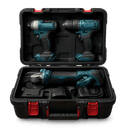
Tools & Equipment
Can help repair or replace hand tools, power tools, and gear that are stolen or damaged on the job or in transit.
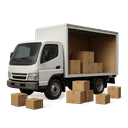
Goods in Transit
May cover products, materials, and merchandise while they are being shipped or hauled between locations in your care.
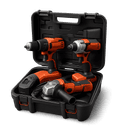
Contractors Equipment
Typically covers heavy machinery like excavators, loaders, and generators against theft or damage at job sites and between them.

Installation Floater
Can help cover materials and fixtures from the moment you buy them until they are installed and accepted at a project.
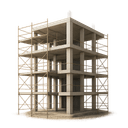
Builders Risk
May cover a structure under construction, along with materials on site, against damage from fire, wind, theft, and vandalism.
Inland Marine Insurance Cost in Eugene
Average Cost in Oregon
$20 - $95
per month
Businesses in Oregon typically see inland marine insurance premiums of $20 - $95 per month, which tends to run 4% below the national range of $20 - $100 per month.
- Total insured value of the scheduled property
- Type and age of the equipment
- Where it is stored and how far it travels
- Jobsite security and theft prevention
- Per-item limits and deductibles
- Prior theft and in-transit losses
Contact CPK Insurance for a personalized quote.
Prices shown are general estimates, not guaranteed rates or quotes. Your actual premium will depend on the insurer, coverage selected, business details, location, claims history, and other underwriting factors. Learn about our pricing methodology.
For Oregon businesses, cost is often influenced by coverage limits, deductibles, claims history, location, industry risk profile, and policy endorsements. The state-specific average premium range is about $20 to $95 per month, which is close to the national pattern but reflects Oregon's premium index of 104 and its mix of natural disaster exposure. A business storing tools in Bend, hauling materials through the Willamette Valley, or moving equipment into temporary storage near flood-prone areas may see pricing differ from a business with short transit routes and lower-value items. A competitive market creates more shopping options, but underwriting is not uniform and can vary by carrier and by the kind of mobile property you insure. State risk ratings also shape pricing: wildfire is rated very high, earthquake high, and flooding and landslide moderate, which means carriers may charge more or apply stricter storage requirements for property kept in vulnerable areas. Because 99.4% of Oregon businesses are small businesses, many buyers choose lower limits or higher deductibles to fit cash flow, but the right balance depends on how expensive it would be to replace tools, equipment, or materials after a covered loss. For a quote, carriers will usually want a clear list of items, values, storage locations, and travel patterns before pricing the policy.
Industries & Insurance Needs in Eugene
Lane County's business mix changes what inland marine buyers should schedule and describe. Health care and social assistance account for 13.4% of county establishments, retail trade 12.4%, and construction 11.4%, so mobile property here often is not just contractor tools. It can also be diagnostic devices, tenant improvement materials, point of sale equipment, leased equipment, or customer property moving between locations or sitting at temporary sites. That mix matters because a vague application can leave out the property category that actually drives your exposure. If you serve clinics, stores, or build-out projects, separate owned equipment from borrowed, rented, or customer items, and note whether property is in transit, at a job site, or temporarily stored off premises. That gives you a cleaner review than treating everything as generic business personal property.
What Makes Eugene Different
In a market where work depends on access to managed properties and coordinated subcontractor schedules, this coverage is frequently reviewed at the moment someone asks for proof, not after a loss. That shifts the priority from buying a generic policy to buying one that can be evidenced clearly on a certificate and supported by an accurate equipment schedule. If your revenue depends on getting through those checkpoints without delay, review how your policy describes tools, installation floater exposures, rented equipment, and customer property. You may want to make sure the named insured and job description match the contract or work order you are presenting.
Our Recommendation for Eugene
Build your property list before you think about premium. If you work across apartments, clinics, or remodel sites, group items by how they are used. Contractor tools, installation materials, leased equipment, and customer property should not be blended into one vague bucket if they move differently or belong to different parties. Review where property sits between uses, since equipment in a vehicle, materials dropped ahead of installation, and items stored temporarily at a site can trigger different underwriting questions. Describe those situations before you request certificates. If a lender or property manager is asking for proof, you can send the contract insurance requirements with your quote request so the policy can be checked against the actual ask. Eugene's median household income is $63,836, so a single uninsured equipment loss could consume roughly a quarter of what a typical local household earns in a year. Prioritize the property that would be hardest to replace quickly and build the schedule from there.
Get Inland Marine Insurance in Eugene
Enter your ZIP code to compare inland marine insurance rates from carriers in Eugene, OR.
Business insurance starting at $25/mo
FAQ
Frequently Asked Questions
Buyers often use this coverage to satisfy property managers, landlords, and contractors that mobile tools, materials, or customer property are insured before work starts. You can request certificate-ready wording that matches the equipment and temporary storage situations in your contract.
Contractors usually get a better review by separating tools, installation materials, rented equipment, and customer property. That makes it easier to match coverage to transit, job site storage, and handoff points instead of describing everything as generic business property.
Lane County has strong health care, retail, and construction activity, with establishment shares of 13.4%, 12.4%, and 11.4%. That mix tells you the property moving through your area likely includes medical devices, build-out materials, and store fixtures, not just contractor tools.
Businesses often need a policy review when they carry property they do not own. Customer items and leased equipment should be identified clearly on the application so the insurer can evaluate who owns the property and where it travels or sits.
You can send an equipment list, estimated values, where property travels, where it is stored temporarily, and any contract insurance requirements. If someone is asking for proof, you might include that wording early so the certificate can be checked before work is delayed.
In Oregon, inland marine insurance may cover tools, equipment, materials, and goods while they are moving between locations, at job sites, or in temporary storage, depending on the policy form and endorsements. It is commonly used for mobile property that is not protected by a fixed-location commercial property policy.
The policy can follow covered property when it is away from your main business location, including at Oregon job sites or temporary storage locations, but the exact storage terms vary by carrier. Before buying, confirm whether the policy may cover offsite storage, transit, and jobsite use.
Contractors, installers, businesses that ship goods, and companies that rely on portable equipment often need it most in Oregon. It is also useful for small businesses that move valuable property between cities or rural project sites.
Sources
- 1.U.S. Census Bureau, County Business Patterns, Lane County(Buyers are often working in a county with 10,143 business establishments; Health care and social assistance account for 13.4% of county establishments, retail trade 12.4%, and construction 11.4%)
- 2.U.S. Census Bureau, ACS 5-Year Estimates, table B19013(Eugene's median household income is $63,836)
Updated July 16, 2026





