Updated July 16, 2026

On-Hook Towing Insurance in Eugene
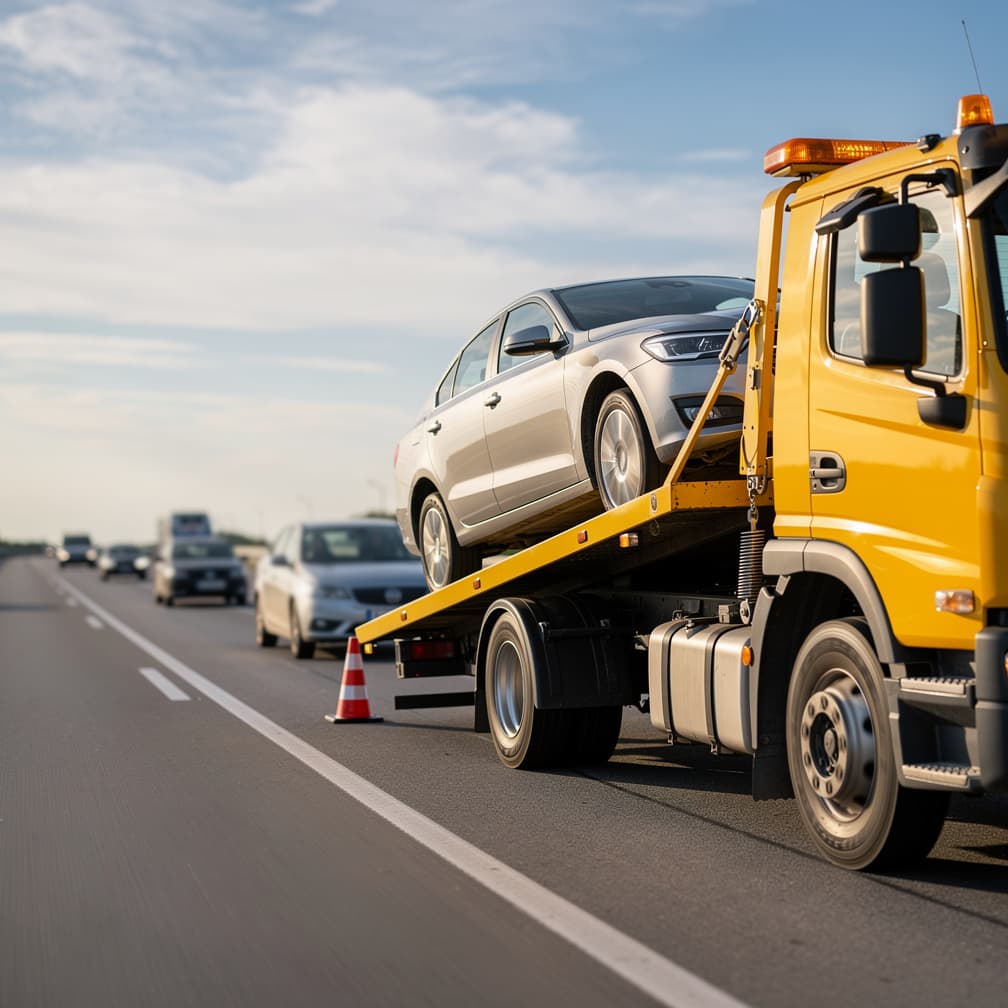
A typical tow here can start on a city street, move onto Beltline or I-5, and end at a repair shop, dealer lot, or storage yard with a different handoff routine than a smaller market usually sees. You are asking an underwriter to evaluate how your operators secure vehicles, document pre-existing damage, handle low-clearance garages, and transfer keys and condition notes at the destination. Lane County has 10,143 business establishments, which means roughly one in every 38 county residents operates a commercial entity that may contract a towing service. That density can translate into recurring commercial accounts that expect clean certificates, clear incident reporting, and consistent procedures before they send repeat calls your way. If your book includes body shops, apartment properties, roadside clubs, or dealer moves, ask for a quote review built around where vehicles are picked up, how often they are repositioned, and who signs off when the tow ends.
On-Hook Towing Insurance Risk Factors in Eugene
Eugene's top risk factors include Wildfire risk, Drought conditions, Power shutoffs, and Air quality events.
Oregon has a moderate climate risk rating. Top hazards: Wildfire (Very High), Earthquake (High), Flooding (Moderate), Landslide (Moderate). The state's expected annual loss from natural hazards is $620M, which influences on-hook towing insurance premiums and may affect coverage availability in high-risk areas.
What On-Hook Towing Insurance Covers
In Oregon, the practical review is less about repeating the basic definition of on-hook coverage and more about matching policy language to the jobs that create disputes after a loss. You want to see how the policy responds during roadside pickups on narrow shoulders, apartment and garage removals in tighter urban areas, dealer transfers, private property impounds, and recovery work where a vehicle may already be damaged before your driver touches it. Those details affect how a claim is argued, especially when the customer says the damage happened during loading or unloading and your photos need to show prior condition clearly.
Terrain and weather matter here. Wet pavement, steep grades, forest roads, coastal exposure, and winter conditions can all change how a vehicle is secured and how much room a driver has to work. That does not automatically change what the policy is called, but it should change what you ask about. Review whether your quoted terms fit wheel-lift work, flatbed transport, low-clearance vehicles, motorcycles, heavier pickups, and vehicles with modified suspensions or body kits if those show up in your book.
You should also compare the policy against your dispatch reality. If one truck handles routine roadside calls during the day and impounds or recovery after hours, ask the agent to confirm that the operation described to underwriting matches that mix. If your drivers cross state lines or pick up vehicles from auction, repair, storage, or law enforcement locations, say so up front. The goal is simple: make sure the covered towing activity described in the quote lines up with the way your trucks actually work this week, not the way the business looked a year ago.
Coverage Included

Collision on Hook
Covers damage to towed vehicles from collisions during transport.

Comprehensive on Hook
Covers theft, fire, and weather damage to vehicles being towed.
Loading & Unloading
Covers damage during the process of loading and unloading vehicles.

Winching Coverage
Covers damage to vehicles during winching and recovery operations.

Multiple Vehicle
Covers all vehicles on multi-car carriers and rollback flatbeds.
Industries & Insurance Needs in Eugene
Commercial demand is the local angle worth watching. The leading sectors by establishment share in Lane County are health care and social assistance at 13.4%, retail trade at 12.4%, and construction at 11.4%. That mix matters for a towing operator because each segment creates a different custody pattern. Health care sites can mean tighter access and time-sensitive removals. Retail locations often involve parking enforcement, customer vehicles, and higher expectations around condition documentation. Construction accounts can bring pickups, vans, and equipment-adjacent moves where loading method and destination control matter. If those accounts are part of your route book, your on-hook review should separate private-property impounds, roadside recoveries, dealer or shop transfers, and contract work for commercial clients. That gives the underwriter a cleaner picture of when damage could occur and helps you request terms that fit the vehicles and handoffs you actually handle.
What Makes Eugene Different
Route density is what changes the calculus here. In a market where many calls are short, frequent, and tied to commercial destinations, the exposure is less about one long tow and more about repeated loading, unloading, and custody transfers across a full shift. Each handoff creates a new chance for a dispute over when damage happened, who noted prior condition, and whether the vehicle was secured the same way every time. That is why a local buyer should focus less on broad descriptions like "light-duty towing" and more on operational detail. Separate police and private-property impounds from roadside assistance, then distinguish shop-to-shop transfers from dealer moves, and note whether drivers photograph vehicles before hookup, who completes condition notes, and where keys are logged at drop-off. When your submission spells out those routines, an underwriter can match terms to what your drivers actually do instead of pricing you against a generic operation.
Our Recommendation for Eugene
Your dispatch patterns tell an underwriter more than your truck list does. If most calls are short urban tows, ask your agent to present that clearly, along with how many custody transfers a driver handles in a typical day and what documentation follows each vehicle. Apartment complexes, hospital campuses, retail lots, and repair facilities each create different access issues and delivery expectations, so your procedures should reflect those variations. Including photos, condition checklists, and signed drop records in your submission shows an underwriter exactly how you reduce claim friction after a vehicle is released. Eugene's median household income is $63,836, meaning a typical family earns about $5,300 a month before taxes. For a household at that level, a $1,500 wheel repair is a major expense, so owners tend to scrutinize a vehicle closely after release and question any new scratch or dent. That makes consistent intake and release records worth tightening before renewal. Ask for a quote review that tests your limits and deductibles against the kinds of vehicles and destinations you handle most often.
Get On-Hook Towing Insurance in Eugene
Enter your ZIP code to compare on-hook towing insurance rates from carriers in Eugene, OR.
Business insurance starting at $25/mo
FAQ
Frequently Asked Questions
Eugene operators should lead with route type, handoff points, and documentation habits. Short urban tows create frequent loading and unloading events, which means an underwriter needs to see where vehicles are picked up, who notes prior damage, and how delivery is confirmed.
Eugene-area commercial work can change the review because local towing often involves shop transfers, lot enforcement, and contract accounts. Your submission should separate those jobs from standard roadside calls so the underwriter can see where custody changes happen most often.
Lane County's leading sectors are health care and social assistance at 13.4%, retail trade at 12.4%, and construction at 11.4%. Hospitals and retail centers generate parking-related tows with tight access points, while construction sites add work vehicles that may require different loading methods and release procedures. Those sector differences mean your drivers face varied conditions at pickup and delivery, which affects how an underwriter evaluates your risk.
Eugene claims handling is usually smoother when you can show consistent pre-tow photos and condition notes. In a market with frequent short hauls and multiple daily handoffs, that record can help resolve disputes about when damage happened.
A typical Eugene household earns about $5,300 a month, so a surprise repair bill puts real pressure on the family budget. Owners who feel that pinch are more likely to examine a vehicle carefully and question scratches or wheel damage they notice right after release.
Towing companies buy it by presenting a clear picture of each truck, service type, and operating territory. That means showing whether you handle metro towing, mountain routes, coastal calls, impounds, or recovery so the quote matches the work. The more specific you are about which trucks run which lanes, the more accurate the pricing tends to be.
Operators should make route conditions part of the application. Mountain grades, wet roads, rural shoulders, and coastal weather can change loading and securement conditions, so the insurer should review where your trucks actually run. A policy built around flat metro streets may not reflect what your drivers face on a winter pass or a gravel forest road.
Insurers need your truck list, driver roster, service mix, towing radius, and the kinds of vehicles you move most often. Include whether you do impounds, recovery, dealer transfers, or cross-border work so the submission is accurate. Leaving details out to save time usually leads to a quote that does not hold up when a claim hits.
Sources
- 1.U.S. Census Bureau, County Business Patterns, Lane County(Lane County has 10,143 business establishments, so local towing work often involves commercial accounts that expect clean certificates, clear incident reporting, and consistent procedures before they send repeat calls your way.; The leading sectors by establishment share in Lane County are health care and social assistance at 13.4%, retail trade at 12.4%, and construction at 11.4%, so your on-hook review should separate the custody patterns those accounts create.)
- 2.U.S. Census Bureau, ACS 5-Year Estimates, table B19013(Eugene's median household income is $63,836, so many owners will feel even modest post-tow damage costs and are more likely to question scratches, wheel damage, or interior issues they notice right away.)
Updated July 16, 2026