Updated July 16, 2026

Key Takeaways
- Compare liquor liability quotes using the same limits and the same description of your alcohol operations, then read exclusions and defense wording before you choose a policy.
- Ask whether assault and battery is included, limited, or excluded, especially if you operate late hours, use security, host events, or manage crowded service areas.
- Document ID checks, server training, incident logs, and cut-off procedures so your application and your claim file both support how you actually operate.
- Review contracts from landlords, venues, and event partners early so you can match liquor liability limits and certificate requirements before binding coverage.
- Separate host liquor questions from true liquor liability needs if alcohol is only furnished occasionally and not part of your regular business revenue.
Liquor Liability Insurance in Oregon
Buying liquor liability insurance in Oregon means thinking about more than a policy form. Coverage requirements can still vary by industry and business size, so a bar on SE Division Street in Portland may need a different setup than a winery near Salem, a catering company serving events in Eugene, or a hotel lounge in Bend. This coverage is designed for alcohol-related claims tied to intoxication, overserving, serving liability, assault, and dram shop allegations. It is often part of the conversation when a business is seeking or renewing a liquor license, and the key questions are how your operations are served, what your license requires, and whether your policy matches the way alcohol moves through your location.
What Liquor Liability Insurance Covers
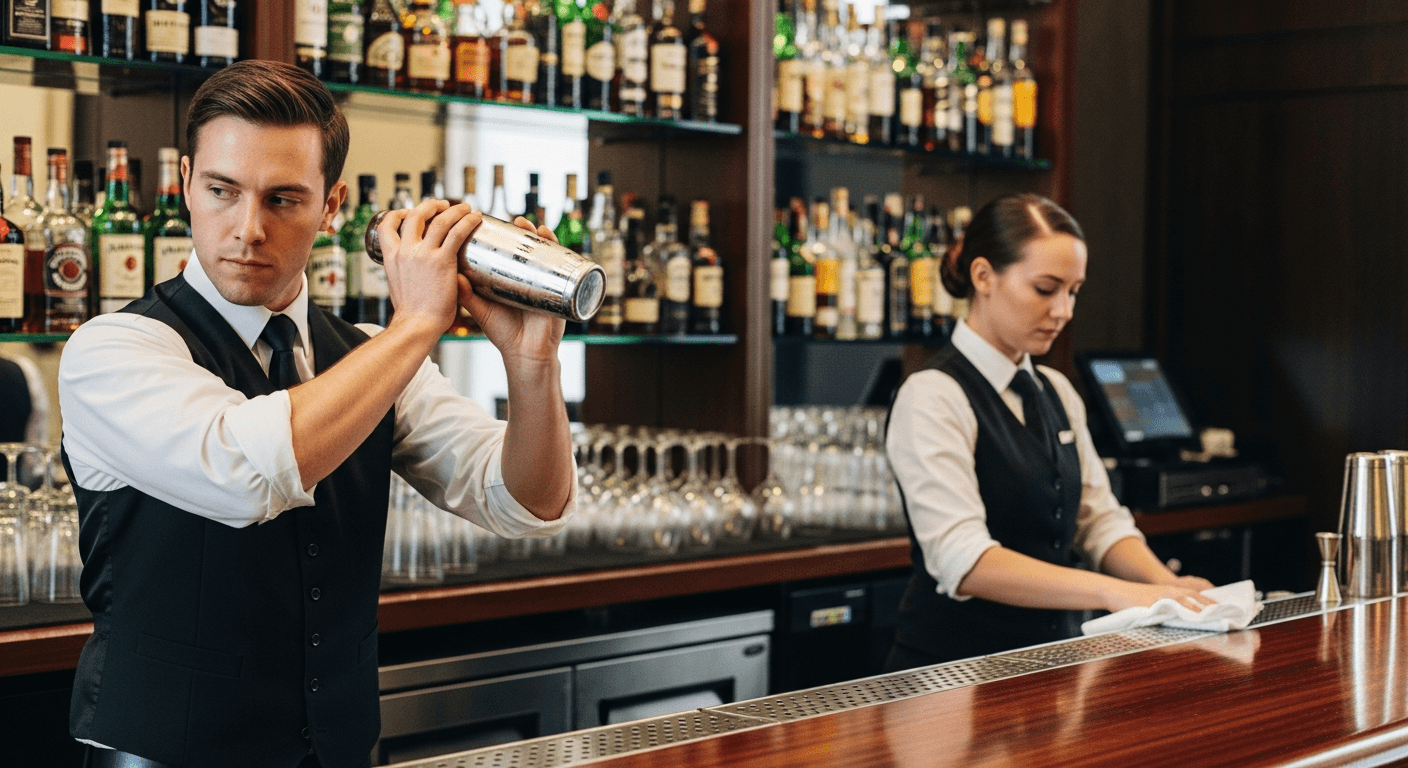
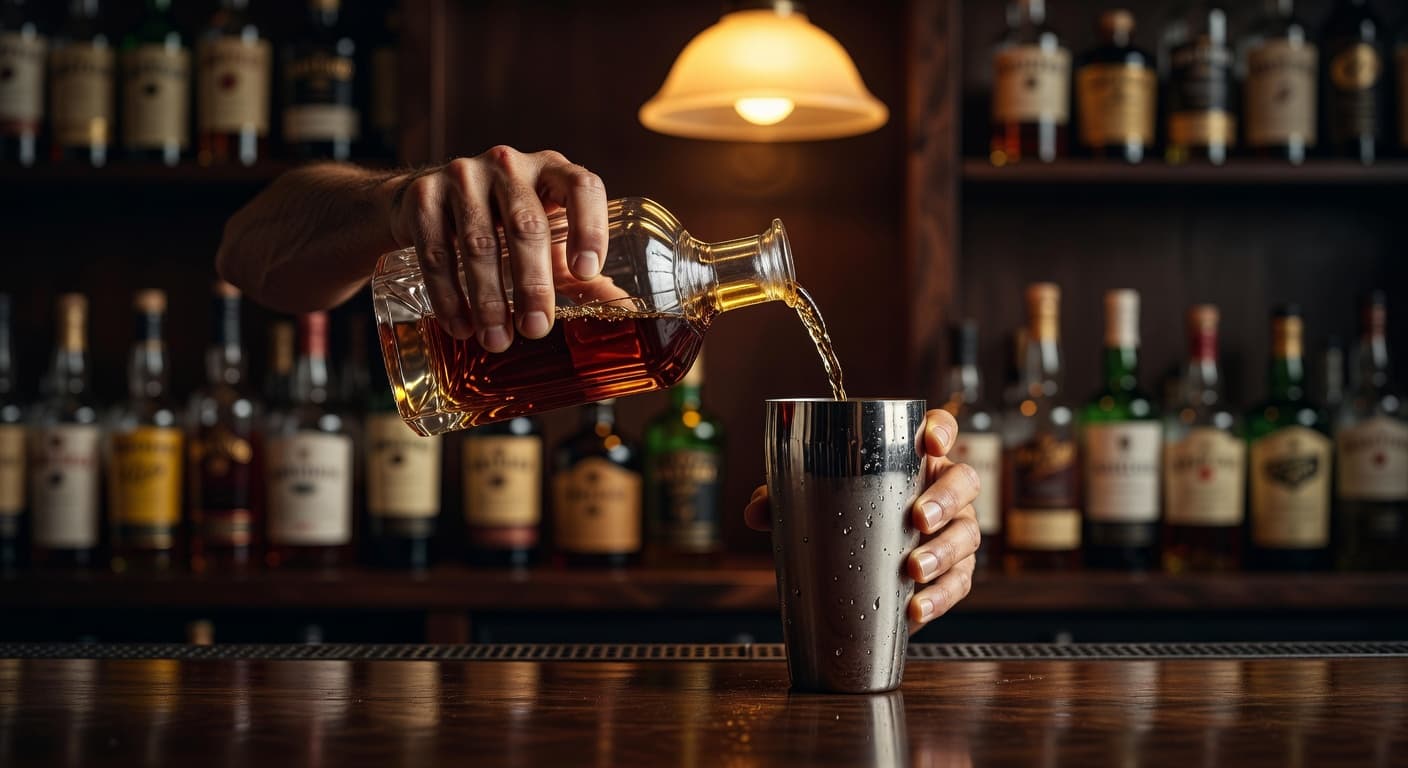
This coverage is built to respond when an alcohol-related incident leads to a claim against a business that manufactures, sells, serves, or distributes alcoholic beverages. The core protection is for bodily injury liability, defense costs, and, depending on the policy, settlements or judgments tied to allegations that a patron was overserved or became intoxicated and then caused harm. Assault and battery and host liquor liability may also be included, which matters for Oregon venues that host events, private functions, or on-site service. Standard general liability coverage is not a substitute when alcohol sales are part of regular operations, because alcohol-related claims are typically handled under a separate policy.
Oregon's regulatory environment adds a practical layer. The Oregon Division of Financial Regulation oversees carrier filings, so a brewery in Portland, a restaurant in Salem, or an event venue in Bend should not assume the same policy structure will satisfy every licensing or contract need. If your business only serves alcohol occasionally, host liquor liability coverage may be relevant, but it is not the same as full liquor liability coverage for ongoing alcohol service. The right policy should be reviewed for defense costs, assault-related claims, and any endorsements that align with your actual service model, lease terms, or license requirements.
Bodily Injury Liability
Can help cover injuries an intoxicated patron causes to others after your business served or sold them alcohol.
Property Damage Liability
May pay for property damage caused by an intoxicated customer your establishment served, such as a car crash after leaving.
Assault & Battery
Can help cover claims arising from fights or physical altercations involving intoxicated patrons at your bar or restaurant.
Defense Costs
May pay for attorneys, court fees, and related legal expenses when your business is sued over an alcohol-related incident.
Host Liquor Liability
Can help cover alcohol-related claims from events where you host or serve drinks without selling them, like company parties.
Liquor Liability Insurance Requirements in Oregon
- If your business needs proof of coverage for a liquor license, confirm the policy matches the license or renewal requirement before you submit paperwork.
- Endorsements and limits should be reviewed against your specific operation, whether you run a brewery, hotel, or catering company.
- Host liquor liability coverage may be relevant for occasional service, but it is not the same as a policy built for daily alcohol sales.
How Much Does Liquor Liability Insurance Cost in Oregon?
Average Cost in Oregon
$50 - $230
per month
Businesses in Oregon typically see liquor liability insurance premiums of $50 - $230 per month, which tends to run 3% below the national range of $50 - $240 per month.
- Share of sales that comes from alcohol
- Type of venue and how late you serve
- Server training and service procedures
- State dram shop law
- Liquor liability limits selected
- Prior over-service or assault claims
Contact CPK Insurance for a personalized quote.
Cost varies by your coverage limits, deductibles, claims history, location, industry risk profile, and policy endorsements. Oregon's premium index is 104, which means you are unlikely to face a state-specific surcharge. Expect quotes to land within a typical range for this coverage. Local risk still matters, though. A venue in a higher-traffic part of Portland, a late-night bar in Eugene, or a catering operation with frequent event service may be priced differently from a low-volume tasting room or a small restaurant with limited alcohol sales.
Several Oregon market facts help explain the range. 118,400 businesses operate in Oregon, 99.4% of which are small businesses. That means carriers are accustomed to underwriting small operations, so you are likely to find policies sized for businesses like yours rather than only large-scale programs. Accommodation and food services represent 10.2% of employment, which means there is strong demand for restaurant and bar coverage. If you are comparing a quote, expect the carrier to look at your service hours, venue type, alcohol sales volume, prior claims, and whether you need endorsements such as assault coverage or host liquor liability. Bundling can also affect the final number, and multi-policy discounts may reduce cost when you package this coverage with other business insurance.
Prices shown are general estimates, not guaranteed rates or quotes. Your actual premium will depend on the insurer, coverage selected, business details, location, claims history, and other underwriting factors. Learn about our pricing methodology.
Request a Quote Comparison
Enter your ZIP code to compare liquor liability insurance rates from top carriers.
Business insurance starting at $25/mo
Who Needs Liquor Liability Insurance?
This coverage is relevant for any business that sells, serves, manufactures, or distributes alcohol, but the strongest need usually shows up where alcohol service is part of the daily business model. Bars, restaurants, nightclubs, breweries, wineries, liquor stores, caterers, event venues, and hotels are all businesses that may need this protection. In Oregon, that list matters because the state has a large accommodation and food services sector, a high percentage of small businesses, and active competition among insurers. Owners often need to align policy terms with a specific operation rather than buying a generic package.
A downtown Portland bar with late-night service needs a different policy than a Salem restaurant with a small wine program or a Bend event space that only hosts private functions. A winery in the Willamette Valley may care about tasting-room exposures, while a caterer serving weddings in Eugene may need host liquor liability coverage for occasional service. The policy is also important for businesses that must show proof of coverage to obtain or maintain a liquor license, since many states require it as a condition of holding one. Even businesses with limited alcohol sales should review whether their operations fit full liquor liability coverage or only a narrower host liquor setup.
Liquor Liability Insurance by City in Oregon
Liquor Liability Insurance rates and coverage options can vary across Oregon. Select your city below for localized information:
How to Buy Liquor Liability Insurance
Start with a clear description of your alcohol operations. Tell your provider where you serve, what you sell, whether service is daily or occasional, and whether you need coverage tied to a liquor license. Oregon businesses should compare quotes from multiple carriers, and that is especially useful in a competitive market. Because coverage needs differ by operation type, each business should request a quote that reflects the actual service model.
The state regulator is the Oregon Division of Financial Regulation, so your purchase process should include a review of policy language, endorsements, and any documentation needed for licensing or contract purposes. Ask specifically whether the quote includes defense costs, assault and battery, bodily injury liability, and host liquor liability coverage if you only serve alcohol at events. If you are applying for or renewing a liquor license, confirm whether the policy amount and wording match the requirements for your business type. A practical buying process is to gather your annual revenue, service hours, alcohol sales mix, claims history, and any prior policy declarations pages before you request a quote.
How to Save on Liquor Liability Insurance
The most reliable way to reduce cost is to match the policy to the actual risk profile of your business instead of overbuying coverage you do not need. Since premiums are influenced by your coverage limits, deductibles, claims history, location, industry risk profile, and endorsements, a smaller restaurant in Salem with controlled service hours may price differently from a late-night bar in downtown Portland or a busy event venue near Eugene. If your business only serves alcohol occasionally, ask whether host liquor liability coverage is more appropriate than a full-time policy.
Bundling is another useful strategy. Combining this coverage with other business insurance policies can reduce cost through multi-policy discounts, so owners often review restaurant liquor liability insurance together with general liability and other commercial coverages. Comparing multiple carriers matters too, because Oregon has a competitive market that includes several major names already competing for business. You can also save by tightening operations that insurers view as higher risk. Clear service procedures, documented training, and well-defined closing practices can help support a cleaner underwriting profile, though pricing still depends on the carrier. The goal is not to strip out protection but to build a policy that fits your exposure, your license, and your budget.
Our Recommendation for Oregon
For Oregon buyers, the most important decision is separating occasional alcohol service from ongoing alcohol sales, because that determines whether host liquor liability coverage or a full policy is the better fit. From there, confirm whether your venue, tasting room, bar, restaurant, hotel, or catering operation needs proof of coverage to support a liquor license. It pays to compare at least two or three quotes, since Oregon's market has enough carrier competition that terms can vary even when the premium looks similar. I would also prioritize defense costs, assault and battery, and clear wording around intoxication and overserving, because those are the claims that most directly affect alcohol-serving businesses. Keep your policy aligned with how you actually operate in Portland, Salem, Eugene, Bend, or anywhere else in the state, because location and business type can change the underwriting result.
FAQ
Frequently Asked Questions
It is designed for claims tied to intoxication, overserving, serving liability, assault, and dram shop allegations, with protection for bodily injury liability, defense costs, and related settlements or judgments, depending on the policy.
Many states require liquor liability coverage as a condition of holding a liquor license, and Oregon businesses should confirm the specific requirement for their license type with the Oregon Division of Financial Regulation or their licensing process.
Your quote will vary by limits, deductibles, claims history, location, industry risk profile, and endorsements. Because those factors differ for every business, there is no single reliable average. The best approach is to compare quotes from multiple carriers based on your actual operations.
Coverage limits and deductibles, claims history, location, industry or risk profile, and policy endorsements all affect pricing, so a Portland bar, a Salem restaurant, and a Bend event venue can receive very different quotes.
Host liquor liability coverage is generally for occasional alcohol service, while full liquor liability coverage is built for businesses that regularly sell, serve, manufacture, or distribute alcohol, such as bars, restaurants, breweries, wineries, and hotels.
Depending on the policy terms and limits, liquor liability insurance can help cover legal defense and may also respond to settlements or judgments arising from alcohol-related claims.
Gather your business details, alcohol service schedule, claims history, and licensing needs, then compare quotes from multiple carriers in Oregon so you can match the policy to your actual operations and liquor license requirements.
U.S. businesses that sell, serve, or distribute alcohol should review liquor liability insurance. That usually includes bars, restaurants, breweries, wineries, liquor stores, caterers, hotels, and event venues, especially when alcohol service is part of normal operations rather than an occasional event.
Sources
Updated July 16, 2026