Updated July 16, 2026

Dealer Open Lot Insurance in Portland
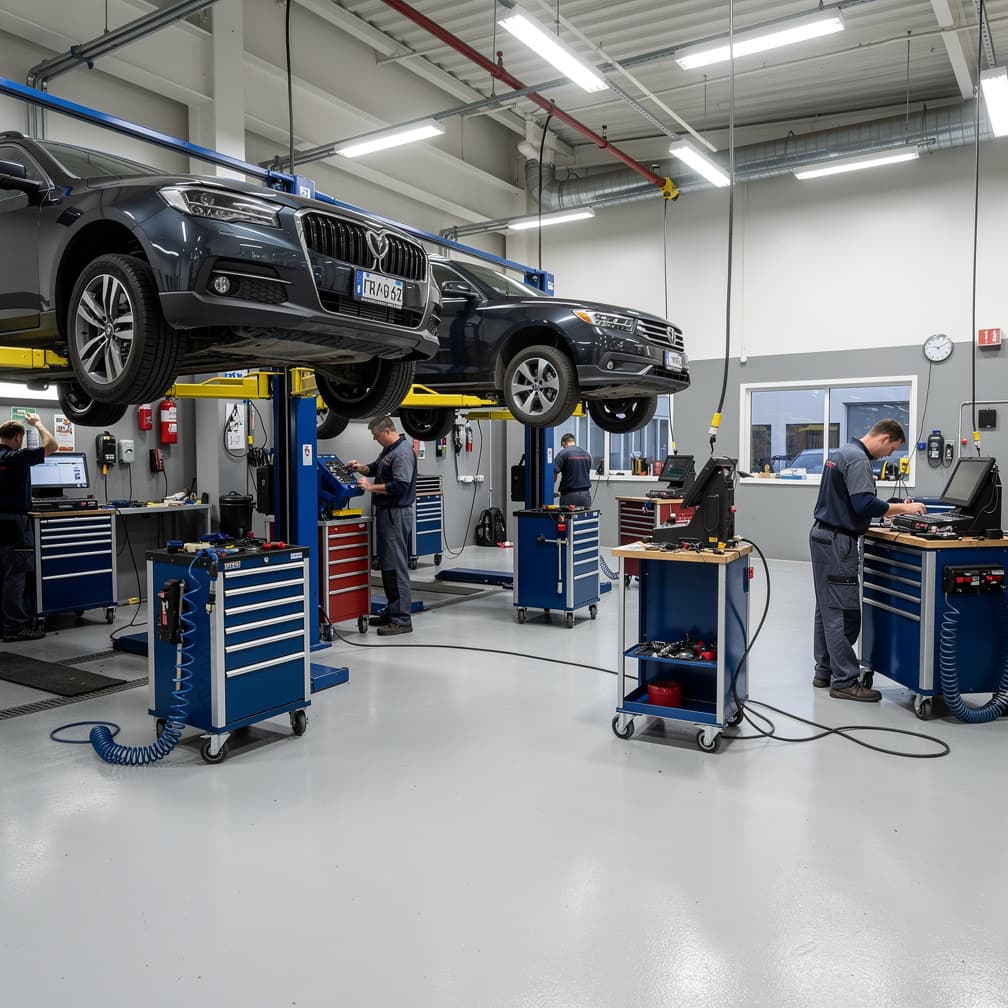
A tighter local market changes how you shop this coverage. Fewer underwriting appetites may fit your inventory mix, storage setup, and transfer routine, so the process often comes down to documentation. Underwriters want to see where units are kept, who has access after hours, and how fast you can produce current inventory values for a quote. Your setup shapes the conversation whether you run an inner eastside frontage lot, keep overflow units farther out, or rely on a shared service location that is not your primary sales address. Landlords, lenders, and wholesale partners often care less about broad promises and more about whether your proof of coverage matches the vehicles and locations you actually use. Before you request terms, gather a current inventory list, each garaging or storage location, and the maximum values you expect on hand during your busiest weeks.
Dealer Open Lot Insurance Risk Factors in Portland
Portland's top risk factors include Wildfire risk, Drought conditions, Power shutoffs, and Air quality events.
Oregon has a moderate climate risk rating. Top hazards: Wildfire (Very High), Earthquake (High), Flooding (Moderate), Landslide (Moderate). The state's expected annual loss from natural hazards is $620M, which influences dealer open lot insurance premiums and may affect coverage availability in high-risk areas.
What Dealer Open Lot Insurance Covers
In Oregon, the coverage layer is often about where your inventory sits and how consistently you can document that exposure. A dealership with one fenced lot presents a different underwriting picture than an operation that rotates units between a main sales location, an overflow yard, a reconditioning site, and temporary event space. If your policy review does not clearly match those locations and movements, you can end up arguing about where a loss happened instead of moving the claim forward.
This is also where Oregon hazard planning matters. Outdoor inventory can face changing weather conditions across the state, so you should review whether your limits still make sense during peak inventory periods, whether your deductible is realistic for a multi-unit loss, and whether off-premises storage is specifically scheduled when needed. If you keep higher-value trucks, specialty units, or seasonal inventory, ask how those concentrations affect the way losses are adjusted.
Operational details also create claim friction. That includes who has keys, where vehicles are parked after hours, how often inventory is photographed, and whether transfers between locations are logged the same day. If a unit is damaged before retail delivery, your records often matter as much as the physical loss itself. A stronger review focuses on inventory values, storage practices, and movement controls so the policy terms line up with how your lot actually runs.
Coverage Included

Weather Damage
Covers hail, wind, flood, and storm damage to lot inventory.
Theft Protection
Covers vehicles stolen from your lot.

Fire Damage
Covers fire and explosion damage to inventory vehicles.

Vandalism
Covers intentional damage to vehicles on your lot.
Test Drive Coverage
Covers vehicles during customer and employee test drives.
Transit Coverage
Covers vehicles being moved between lot locations.
What Makes Portland Different
Density is the variable that shifts the buying calculus here. Multnomah County has 27,434 business establishments, so neighboring operations probably share your fences, gates, and access roads. Your insurance conversation is rarely about a single row of vehicles on one sales lot. It is about whether your schedule of locations, security controls, and inventory reporting are specific enough for an underwriter to understand the exposure without guessing. If your operation uses a compact frontage lot, nearby overflow parking, or a separate detail or service address, ask for each location to be reviewed the way you actually use it. That helps you avoid a quote built on assumptions that do not match your daily operations. Precise documentation also satisfies landlords, lenders, and business partners who want evidence that the right inventory is tied to the right address.
Our Recommendation for Portland
Your location schedule matters more than your target premium. In a denser commercial market, a dealer usually gets farther by showing how vehicles move through the operation: where fresh purchases land, where reconditioning happens, where sold units wait for pickup, and which address holds the highest total value overnight. If you serve higher income households, Portland's median household income is $88,792. Buyers with that kind of budget tend to shop for newer or higher value units, and that can change the limit you should ask an agent to review. Sort owned inventory from customer vehicles, consignment units, and employee cars so the quote reflects the right exposure base. If you use more than one address, ask whether each site should appear on the application and on your proof of coverage. When quotes come back, look past the premium to the terms, reporting expectations, and location treatment behind it.
Get Dealer Open Lot Insurance in Portland
Enter your ZIP code to compare dealer open lot insurance rates from carriers in Portland, OR.
Business insurance starting at $25/mo
FAQ
Frequently Asked Questions
List each sales, storage, and reconditioning address that regularly holds inventory. That detail helps the underwriter match coverage to your actual lot pattern instead of assuming every unit stays at one location.
Portland buyers usually need proof that shows the named insured, covered locations, effective dates, and limits that fit the inventory on hand. If your operation uses multiple addresses, ask for documents that clearly tie the right location to the right exposure.
Multnomah County has 27,434 business establishments. In a market this crowded, landlords and property managers tend to ask for more specific documentation than you would face in a looser environment. That is a good reason to submit a precise location schedule, security details, and current inventory values before comparing terms.
Portland median household income is $88,792. Households earning near that figure often shop for newer or higher value units, so review peak lot values carefully to keep your limit aligned with the vehicles you actually carry during busy periods.
Underwriting appetite can vary with lot layout, storage practices, and transfer routines, so comparing more than one option is worth the effort. Ask each quote to reflect the same locations, values, and security controls so the comparison is usable.
Oregon dealers often do if sale inventory is kept at an offsite yard, because claim handling can turn on whether that address and its storage practices were clearly disclosed before binding.
Oregon dealers get a cleaner comparison by using the same inventory values, deductible target, storage addresses, and security details on every quote request, then checking how each option treats offsite and temporary storage.
Some policies treat movement between listed locations as routine, while others require advance notice or a transfer log. Ask each provider to spell out what documentation keeps a vehicle protected while it is in transit between your lots.
Sources
- 1.U.S. Census Bureau, County Business Patterns, Multnomah County(Multnomah County has 27,434 business establishments, so commercial property, shared access points, and landlord documentation standards can be tighter than a dealer expects in a looser market.)
- 2.U.S. Census Bureau, ACS 5-Year Estimates, table B19013(Portland's median household income is $88,792, so your mix may lean toward newer or higher value units, and that can change the limit you should ask an agent to review.)
Updated July 16, 2026