








































Updated July 5, 2026

Builders Risk Insurance in Salem
Salem property values change how you set a builders risk limit. Builders risk insurance in Salem is often less about finding a bare minimum policy and more about making sure the completed value, soft cost needs, and deductible fit the real money tied up in the job. If you are building a custom home in South Salem, renovating an older house near Englewood, or adding square footage in West Salem, a low limit can leave you short when materials, labor already in place, or temporary structures have to be replaced mid-project. Salem’s median household income is $71,900, so many owner-driven projects here still run on tight draw schedules and fixed budgets. That makes deductible planning practical, not theoretical. A deductible that looks manageable on paper can stall cleanup, reordering, or the next subcontractor payment if a loss hits before completion. Before you request terms, line up the completed value, any owner-supplied materials, and the point in the schedule when the site carries the most value.
Builders Risk Insurance Risk Factors in Salem
Salem buyers should treat local hazard planning as a jobsite continuity issue, not just a box on the application. Oregon’s broader hazard profile matters here because a builders risk loss does not only damage finished work, it can interrupt sequencing, delay inspections, and force you to rebuy materials at the worst point in the schedule. That is especially important on remodels and additions where part of the structure may already be occupied while new work is exposed. Ask whether your quote is being built around **new construction, renovation, or phased work**, because those details affect how materials in transit, stored supplies, temporary works, and existing structure exposures are reviewed. If your project depends on long-lead items, confirm how they are valued and where they are covered before installation. The practical step is to map the site, storage locations, and construction phases before binding, so the policy matches how the job will actually unfold.
Oregon has a moderate climate risk rating. Top hazards: Wildfire (Very High), Earthquake (High), Flooding (Moderate), Landslide (Moderate). The state's expected annual loss from natural hazards is $620M, which influences builders risk insurance premiums and may affect coverage availability in high-risk areas.
What Builders Risk Insurance Covers
What matters on an Oregon project is the property list and the loss scenarios that fit the way your job is staged. A ground-up project outside a major metro may store materials differently than a tight urban renovation, and that changes what you should ask to see on the quote. If key property categories are left implied instead of listed clearly, you can end up arguing about them after a loss instead of keeping the project moving.
Start with the structure and project materials, then work outward to the items that create real claim friction on Oregon jobs. That often includes materials waiting at the site, materials stored off site, and property in transit between suppliers, yards, and the project address. If your schedule involves long lead items, custom components, or phased delivery because access is limited, ask how those items are treated and whether sublimits apply. The same goes for temporary structures, scaffolding, fencing, and similar jobsite property if your contract places that responsibility on you.
Delay-related costs also deserve a direct review. If a covered loss pushes back completion, the financial pain may come from extra interest, additional general conditions, or lost rental timing rather than from the damaged materials alone. That is why many Oregon buyers ask for a line-by-line review of soft costs and delay-related options, such as additional loan interest, extended general conditions, and lost rental income, instead of assuming they are built in. You should also confirm policy wording and complaint handling with the state insurance regulator, so you know where to verify forms and raise questions before binding coverage.
Coverage Included

Structure Coverage
Covers the building or structure under construction.

Materials on Site
Covers building materials stored at the construction site.

Materials in Transit
Covers materials being transported to the job site.
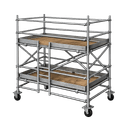
Temporary Structures
Covers scaffolding, fencing, and temporary buildings.

Soft Costs
Covers additional expenses from construction delays due to covered losses.

Equipment Coverage
Covers permanently installed fixtures and equipment.
Industries & Insurance Needs in Salem
Construction concentration is the local market signal that matters most here. In Marion County, there are 9,073 business establishments, and construction accounts for 16.8% of them, the largest establishment share in the county. So a Salem project often moves through a busy subcontractor and supplier environment where schedules overlap, crews rotate between jobs, and material delivery timing can get tight. That does not automatically change every premium, but it does change what you should verify before you buy. If framers, electricians, and finish trades are stacking work across multiple sites, delays can leave partially completed work exposed longer than planned. Health care and social assistance at 13.4% and retail trade at 12.4% also point to steady tenant improvement, clinic, storefront, and occupancy-sensitive renovation work across the county. For those jobs, review vacancy, partial occupancy, and change-order handling early, because the exposure is often in the project setup as much as the structure itself.
What Makes Salem Different
Project value discipline is what changes the calculus here. Salem residential builds, major remodels, and higher-end additions can carry enough value that a shortcut on completed value or deductible becomes expensive fast. The local issue is not abstract catastrophe language. It is the ordinary way a project budget gets stressed when materials are on site, labor is already installed, and a loss forces rework before the next draw. In a market where many owner budgets still have to stay grounded in local household cash flow, cash flow after a loss matters just as much as the policy form. That is why the smartest local buyers pressure-test the deductible against what they could actually absorb mid-project, not just what lowers the quote. If the project would pause because you could not comfortably fund debris removal, reorder materials, and keep trades scheduled, the structure of the policy needs another look before work starts.
Our Recommendation for Salem
Start with the peak value on site, not the first phase budget. For Salem residential work, that usually means checking whether the completed value includes owner-furnished finishes, detached structures under construction, and any site features that are part of the contract price. On renovations, ask for clear treatment of existing structure exposure if the job opens walls, roofs, or utility systems, because that is where buyers often assume coverage is broader than it is. If your project uses stored materials before installation, identify every storage location and confirm how those materials are valued. In a county where construction makes up 16.8% of establishments, scheduling friction is a practical concern, so build the policy term around realistic completion timing rather than an optimistic calendar. If the project is lender-backed or owner-occupied, review the deductible against available contingency funds before binding. Then request a quote with the project type, address, timeline, and valuation basis spelled out clearly enough that there is less room for cleanup later.
Get Builders Risk Insurance in Salem
Enter your ZIP code to compare builders risk insurance rates from carriers in Salem, OR.
Business insurance starting at $25/mo
FAQ
Frequently Asked Questions
Salem projects should start with completed value, not just current spend. Local home values can make underestimating the finished value expensive if installed work and on-site materials have to be replaced before completion.
Salem buyers should compare the deductible to actual contingency cash, not just premium savings. A deductible that is too high can delay cleanup, reordering, and subcontractor payments after a covered loss.
Marion County has 9,073 business establishments, and construction represents 16.8% of them. That busy trade environment can mean tighter scheduling, more overlapping subcontractors, and longer exposure for partially completed work if delays push the timeline.
Salem tenant improvement and occupied remodel work should be reviewed for phased construction details, stored materials, and how existing structure exposure is handled. That matters more when the job cannot simply shut down the whole building until completion.
Salem buyers can use the Oregon Division of Financial Regulation for state insurance oversight questions. That is most useful when you need help understanding policy language, complaint channels, or how an Oregon insurance issue is handled.
Oregon projects usually follow the contract first. The buyer is often the owner or contractor named as responsible for insuring the work, and you should verify policy wording and documentation requirements before binding if anything is unclear.
Oregon lenders often care less about a generic certificate and more about whether the policy matches the loan and construction documents. You should confirm named parties, project address, term, and valuation method before expecting draws or closing documents to move smoothly.
Oregon renovation quotes are easiest to compare when each carrier reviews the same scope, completed value, occupancy status, and storage plan. Ask each quote to show how work in place, temporary property, and delay-related costs are treated before choosing on price.
Sources
- 1.U.S. Census Bureau, ACS 5-Year Estimates, table B19013(Salem’s median household income is $71,900.)
- 2.U.S. Census Bureau, County Business Patterns, Marion County(In Marion County, there are 9,073 business establishments.; Construction accounts for 16.8% of establishments in Marion County, while health care and social assistance accounts for 13.4% and retail trade for 12.4%.)
- 3.Oregon Division of Financial Regulation(Oregon’s insurance regulator is the Oregon Division of Financial Regulation.)
Updated July 5, 2026





