Updated July 5, 2026

On-Hook Towing Insurance in Salem
A tighter local market changes the buying process first. You usually have fewer underwriting appetites to work with, and that means your submission for on-hook towing insurance in Salem needs to be clean, specific, and easy to verify before a carrier will spend time on it. If you tow for repair shops, dealers, apartments, lenders, or public agencies, proof expectations also tend to travel by reputation here. One incomplete vehicle schedule or vague description of after-hours storage can slow the quote or narrow terms.
That is why the local advantage is operational clarity. Show where units are kept, who handles hookups, whether you do private property impounds, and how vehicles move from pickup to drop without unnecessary handoffs. In a market where people often know the account they are referring, your insurance file needs to match the way your trucks actually run day to day. Bring loss runs, driver lists, garaging details, and your service mix together before you shop. You give yourself a better chance at usable terms when an underwriter can see exactly what kind of towing work you accept and what controls you use once a vehicle is in your care.
On-Hook Towing Insurance Risk Factors in Salem
Salem's top risk factors include Wildfire risk, Drought conditions, Power shutoffs, and Air quality events.
Oregon has a moderate climate risk rating. Top hazards: Wildfire (Very High), Earthquake (High), Flooding (Moderate), Landslide (Moderate). The state's expected annual loss from natural hazards is $620M, which influences on-hook towing insurance premiums and may affect coverage availability in high-risk areas.
What On-Hook Towing Insurance Covers
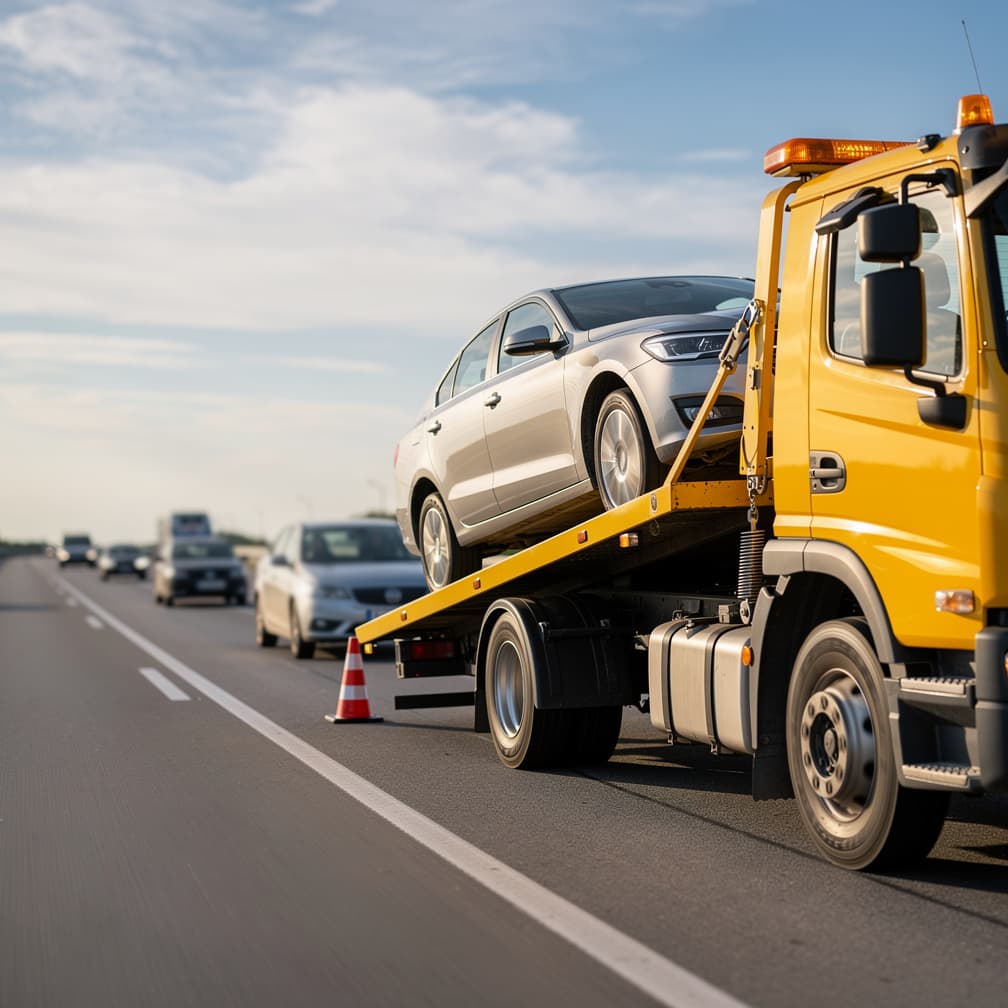
In Oregon, the practical review is less about repeating the basic definition of on-hook coverage and more about matching policy language to the jobs that create disputes after a loss. You want to see how the policy responds during roadside pickups on narrow shoulders, apartment and garage removals in tighter urban areas, dealer transfers, private property impounds, and recovery work where a vehicle may already be damaged before your driver touches it. Those details affect how a claim is argued, especially when the customer says the damage happened during loading or unloading and your photos need to show prior condition clearly.
Terrain and weather matter here. Wet pavement, steep grades, forest roads, coastal exposure, and winter conditions can all change how a vehicle is secured and how much room a driver has to work. That does not automatically change what the policy is called, but it should change what you ask about. Review whether your quoted terms fit wheel-lift work, flatbed transport, low-clearance vehicles, motorcycles, heavier pickups, and vehicles with modified suspensions or body kits if those show up in your book.
You should also compare the policy against your dispatch reality. If one truck handles routine roadside calls during the day and impounds or recovery after hours, ask the agent to confirm that the operation described to underwriting matches that mix. If your drivers cross state lines or pick up vehicles from auction, repair, storage, or law enforcement locations, say so up front. The goal is simple: make sure the covered towing activity described in the quote lines up with the way your trucks actually work this week, not the way the business looked a year ago.
Coverage Included

Collision on Hook
Covers damage to towed vehicles from collisions during transport.
Comprehensive on Hook
Covers theft, fire, and weather damage to vehicles being towed.
Loading & Unloading
Covers damage during the process of loading and unloading vehicles.
Winching Coverage
Covers damage to vehicles during winching and recovery operations.
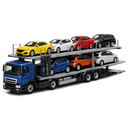
Multiple Vehicle
Covers all vehicles on multi-car carriers and rollback flatbeds.
Industries & Insurance Needs in Salem
Marion County business mix changes who may ask you for towing work and what that does to your on-hook review. The county has 9,073 business establishments, so there are a lot of potential referral points that may want certificates, vendor onboarding documents, or contract language before they send work your way. The leading sectors are construction at 16.8%, health care and social assistance at 13.4%, and retail trade at 12.4%, so your book may include contractor vehicles, employee vehicles on commercial property, customer cars tied to retail lots, or service calls connected to medical campuses and adjacent parking areas.
That matters because each source of work can change how often you tow, where vehicles are picked up, and how long they stay in your custody. If your referrals come from several of those sectors, ask for a quote review that matches your actual mix instead of describing the operation in broad terms. A carrier will want a clearer picture when your calls range from private property removals to scheduled transports for commercial accounts.
What Makes Salem Different
Relationship-driven referrals are what change the calculus here. In a smaller market, a towing company often grows through repeat assignments from local property managers, repair facilities, dealerships, and other businesses that expect fast proof of coverage and consistent paperwork. That makes on-hook insurance less of a generic box to check and more of a credibility document tied to how you win and keep accounts.
Salem median household income is $71,900, so many vehicle owners are relying on cars that are essential to work, school, and household routines. When a loss happens during the tow, the dispute is not abstract. It can become a time-sensitive customer service problem for the account that referred the job and for your business at the same time. That is why details like hookup procedures, release documentation, storage transitions, and condition records matter so much in your application and in your daily process. If your operation depends on repeat local referrals, review whether your limits, forms, and documentation standards are strong enough for the kinds of vehicles and account expectations you handle now.
Our Recommendation for Salem
Start by matching your insurance submission to your actual dispatch pattern. Separate consensual tows, private property impounds, dealer or shop transports, and any municipal or contract work, because those assignments can create different expectations around documentation and vehicle condition disputes. If one truck handles the more complicated calls, say that clearly instead of describing the whole fleet the same way.
Next, tighten the records that support an on-hook claim before you need them. Keep a current driver list, note where each truck is garaged, document who can authorize a release, and use photos or condition notes at pickup and drop when the job warrants it. In a relationship-based market, that discipline can matter as much as the policy itself.
Finally, ask for a quote review that focuses on custody exposures, not just auto liability. If you have added storage, changed your service territory, or started taking more account work, update the file before renewal so the terms being offered still fit the way you operate.
Get On-Hook Towing Insurance in Salem
Enter your ZIP code to compare on-hook towing insurance rates from carriers in Salem, OR.
Business insurance starting at $25/mo
FAQ
Frequently Asked Questions
Salem towing companies should lead with a complete vehicle schedule, driver list, garaging details, loss runs, and a clear breakdown of tow types. In a tighter local market, cleaner submissions usually make it easier for an underwriter to understand your custody exposure.
Salem account mix can affect underwriting because private property, dealer, repair shop, and contract work do not create the same handling pattern. If your referrals come from several business types, describe each one so the quote reflects how vehicles enter and leave your care.
Marion County has 9,073 business establishments, so a towing company may deal with many referral sources that want certificates or vendor paperwork before sending jobs. That makes organized proof of coverage and consistent operating details more important during the quote process.
Marion County's leading sectors are construction, health care and social assistance, and retail trade, at 16.8%, 13.4%, and 12.4%. That mix can point to contractor vehicles, commercial parking issues, and customer vehicle calls, so your submission should explain which work you actually accept.
Salem median household income is $71,900, so many households depend heavily on their vehicles for daily routines. If damage is alleged during a tow, pickup photos, condition notes, and release records can help you resolve the dispute faster and support the claim review.
Towing companies buy it by presenting a clear picture of each truck, service type, and operating territory. That means showing whether you handle metro towing, mountain routes, coastal calls, impounds, or recovery so the quote matches the work. The more specific you are about which trucks run which lanes, the more accurate the pricing tends to be.
Operators should make route conditions part of the application. Mountain grades, wet roads, rural shoulders, and coastal weather can change loading and securement conditions, so the insurer should review where your trucks actually run. A policy built around flat metro streets may not reflect what your drivers face on a winter pass or a gravel forest road.
Insurers need your truck list, driver roster, service mix, towing radius, and the kinds of vehicles you move most often. Include whether you do impounds, recovery, dealer transfers, or cross-border work so the submission is accurate. Leaving details out to save time usually leads to a quote that does not hold up when a claim hits.
Sources
- 1.U.S. Census Bureau, County Business Patterns, Marion County(Marion County has 9,073 business establishments, so a towing company may deal with many referral sources that want certificates or vendor paperwork before sending jobs.; Marion County's leading sectors are construction, health care and social assistance, and retail trade, at 16.8%, 13.4%, and 12.4%.)
- 2.U.S. Census Bureau, ACS 5-Year Estimates, table B19013(Salem median household income is $71,900, so many vehicle owners are relying on cars that are essential to work, school, and household routines.)
Updated July 5, 2026