







































Updated July 5, 2026

Commercial Truck Insurance in Allentown
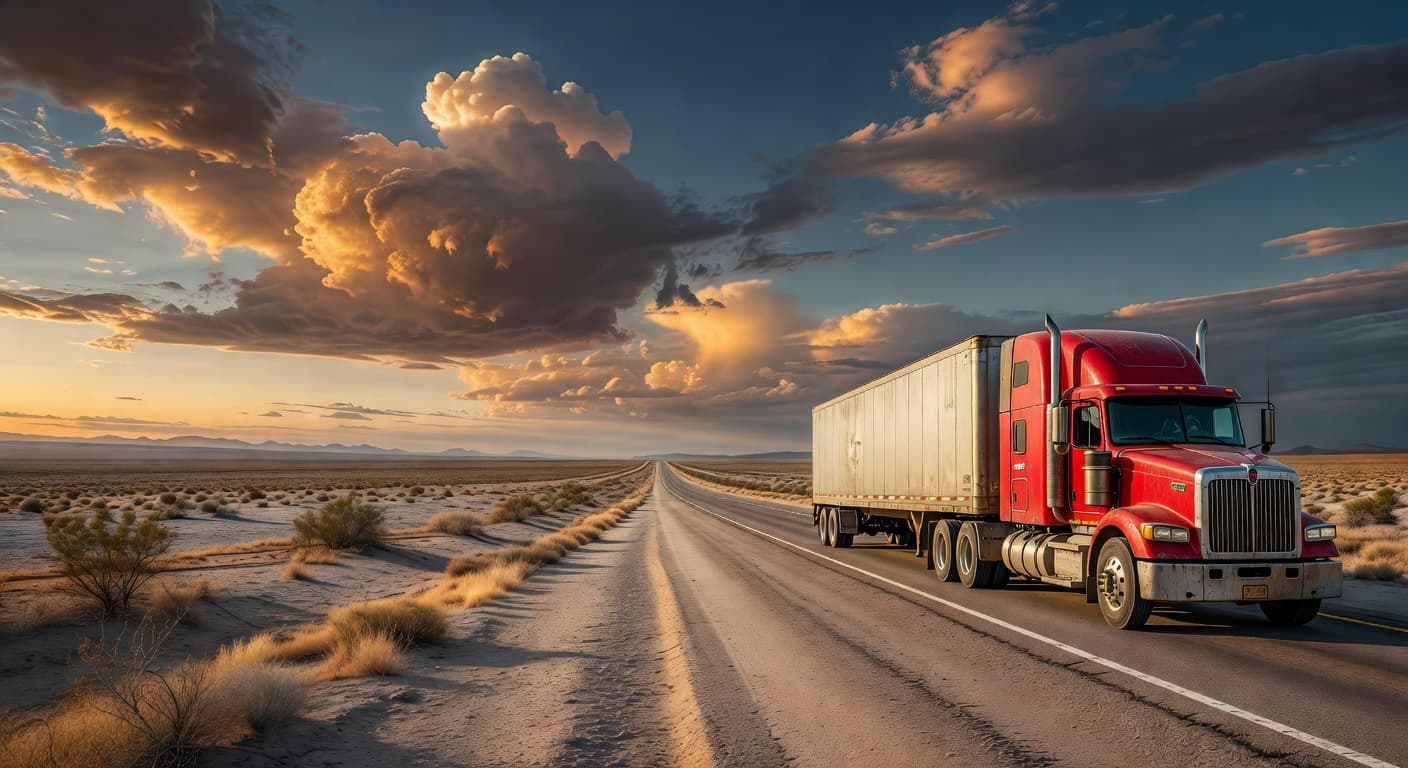
A smaller market changes how you shop for trucking coverage. You may see fewer local agency relationships with a real appetite for certain vehicle classes, radius patterns, or mixed-use operations, so your submission has to be clean from the start. If you are shopping for commercial truck insurance in Allentown, that usually means presenting your garaging address, operating radius, driver list, unit schedule, and commodity details in a way that helps an underwriter sort you quickly. Local buyers also run into practical proof-of-insurance expectations from shippers, brokers, warehouse operators, and leased-yard owners before a load is released or a parking arrangement is finalized. In Lehigh County, there are 8,627 business establishments, so there are a lot of counterparties that may ask for certificates, additional insured status, or higher liability limits before they do business with you. That matters if you handle short-haul delivery, service trucks, or regional freight with frequent stops. Before you request quotes, line up your MVRs, loss runs, VINs, trailer details, and any contract insurance requirements, then compare terms that fit how your trucks actually move each week.
Commercial Truck Insurance Risk Factors in Allentown
Allentown's top risk factors include Severe weather, Property crime, Flooding, and Vehicle accidents.
Pennsylvania has a moderate climate risk rating. Top hazards: Flooding (High), Winter Storm (High), Severe Storm (Moderate), Tornado (Low). The state's expected annual loss from natural hazards is $1.6B, which influences commercial truck insurance premiums and may affect coverage availability in high-risk areas.
What Commercial Truck Insurance Covers
In Pennsylvania, commercial truck insurance is built around the way your truck operates, not just the vehicle itself. Motor carrier liability is the core protection for trucking businesses, and it is the part most likely to be checked first when you are working with shippers, brokers, or compliance reviewers. The product can also include physical damage coverage for trucks, cargo insurance, trailer interchange, bobtail coverage, and non-trucking liability insurance, depending on whether you haul under dispatch, move empty, or handle trailers that are not owned by you. Pennsylvania businesses should also remember that coverage requirements may vary by industry and business size, so a box truck operator in local delivery may need a different structure than a long-haul fleet moving across state lines.
The state's commercial auto minimums are $15,000 for injury to one person, $30,000 per accident, and $5,000 for property damage, but trucking operations often need more than a basic auto form because federal freight rules can require higher liability limits, and many shippers and brokers ask for stronger proof than the minimum. Pennsylvania is regulated by the Pennsylvania Insurance Department, so policy wording, endorsements, and certificates should be reviewed with that framework in mind. Coverage can also be affected by winter storm exposure, flooding, and severe storm risk, which matter for cargo timing, equipment damage, and route disruptions. Standard exclusions still depend on the policy form and endorsements, so the exact treatment of empty miles, detached trailers, and freight in transit varies by carrier and operation.
Coverage Included

Motor Carrier Liability
Can help cover injuries and property damage your truck causes to others, a coverage federal regulators require most for-hire carriers to maintain.
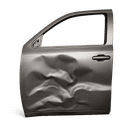
Physical Damage
Can help pay to repair or replace your own truck after an accident, fire, theft, or vandalism.
Cargo Coverage
May pay for damage to or theft of the freight you are hauling while it is in your care.
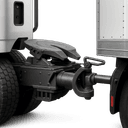
Trailer Interchange
Can help cover damage to trailers you haul under an interchange agreement but do not own.
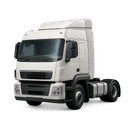
Bobtail Coverage
May provide liability protection when you drive your tractor without a trailer attached, such as after dropping off a load.

Non-Trucking Liability
Can help cover accidents that happen when you use your truck for personal errands rather than dispatched work.
Commercial Truck Insurance Cost in Allentown
Average Cost in Pennsylvania
$410 - $1,125
per month
Businesses in Pennsylvania typically see commercial truck insurance premiums of $410 - $1,125 per month, which tends to run 1% above the national range of $400 - $1,125 per month.
- Radius of operation
- Commodities hauled and cargo value
- Number and value of power units
- Driver motor vehicle records and CDL experience
- DOT safety record, inspections, and FMCSA scores
- Liability limits and physical damage deductibles
Contact CPK Insurance for a personalized quote.
Prices shown are general estimates, not guaranteed rates or quotes. Your actual premium will depend on the insurer, coverage selected, business details, location, claims history, and other underwriting factors. Learn about our pricing methodology.
For Pennsylvania trucking risks, monthly cost per truck is often above the national average. Your final price depends on coverage limits and deductibles, claims history, location, industry or risk profile, and policy endorsements. A carrier running mostly local routes around Harrisburg may see different pricing pressure than a long-haul fleet that deals with weather, mileage, and multi-state exposure, especially when winter storms and flooding are part of the operating environment.
Pennsylvania's market is competitive, with top carriers including Erie Insurance, so pricing can vary meaningfully from one quote to another. That competition matters, but it does not override underwriting details such as cargo type, truck type, and how often the vehicle is on the road. Different equipment types carry different risk profiles, so a refrigerated truck will be priced differently than a delivery van. The state also has an insurance premium index of 106, meaning premiums here run about 6% higher than the national baseline, so budgeting around national averages may leave you short.
The biggest cost drivers you can control are deductibles, coverage limits, and endorsements. If you need motor carrier liability coverage, cargo protection, trailer interchange, bobtail coverage, or non-trucking liability insurance, each addition can change the quote. A personalized commercial truck insurance quote is the only way to see how your route mix, claims record, and equipment class affect the final price.
Industries & Insurance Needs in Allentown
Lehigh County's business mix changes what many trucking accounts here need to insure. Retail trade makes up 13.8% of county establishments, health care and social assistance 12.8%, and other services 11.5%, so a lot of local truck work involves recurring deliveries, service calls, time-sensitive stops, and customer-facing locations rather than one simple terminal-to-terminal pattern. That can affect how you describe radius, loading and unloading activity, trailer interchange needs, and whether your operation mixes straight trucks, vans, or service bodies under one account. It also changes certificate volume, because retail locations, care facilities, and service customers often want proof of coverage before access is granted. If your routes serve several of those sectors, ask for quotes that reflect your actual stop frequency, parking arrangements, and driver routines instead of a generic long-haul profile. That gives the underwriter a truer picture of exposure and can reduce surprises after binding.
What Makes Allentown Different
The main difference here is submission quality in a smaller, relationship-driven market. In a major freight hub, some risks can still find multiple obvious homes even with a thin application. Around Allentown, a truck account often moves faster when the file is complete and the operation is described with precision. That is especially true if you run a mixed book, such as local delivery plus occasional regional trips, or if one truck serves several customer types during the same week. The city's median household income is $53,403, so many local businesses and households buying delivered goods or on-site services are cost-aware, and that pressure can flow down into tighter contracts, faster certificate requests, and closer scrutiny of vendor insurance terms. For you, the practical takeaway is simple: do not shop on liability limit alone. Review contract requirements, hired and non-owned auto exposure, physical damage deductibles, and whether your policy structure still fits the way you win work locally.
Our Recommendation for Allentown
Start with your operating pattern, not your renewal premium. If your trucks spend most of the week on short local runs, list the real garaging location, normal radius, commodities, and after-hours parking arrangements exactly as they are today. If you use one unit for deliveries, another for tools or equipment, and a third for occasional regional work, ask for each vehicle's use to be scheduled clearly rather than blended into a vague description. Review every shipper, warehouse, and customer contract for insurance language before you bind, especially certificate wording, waiver requests, and additional insured demands. If a driver pool changes often, bring an updated list with license classes and hiring standards so the quote reflects current operations. You should also compare deductible options against your cash flow, because a lower premium can create a harder claim decision later. A good quote review here usually ends with fewer assumptions, cleaner certificates, and less friction when a customer asks for proof of coverage.
Get Commercial Truck Insurance in Allentown
Enter your ZIP code to compare commercial truck insurance rates from carriers in Allentown, PA.
Business insurance starting at $25/mo
FAQ
Frequently Asked Questions
Allentown can be more submission-sensitive for a small fleet because local placement often depends on how clearly you present vehicle use, drivers, radius, and contracts. A cleaner application usually gives you more workable quote options and fewer follow-up questions.
Lehigh County has 8,627 business establishments, so many trucking accounts deal with frequent certificate requests, delivery appointments, and contract insurance terms. That makes it worth reviewing liability limits, additional insured requests, and how your routes are described.
Lehigh County's mix includes retail trade at 13.8%, health care and social assistance at 12.8%, and other services at 11.5%. That often points to recurring stops, customer-facing deliveries, and service schedules that should be reflected in your quote.
Allentown's median household income is $53,403, which can translate into tighter customer budgets and closer contract review. Compare quotes for certificate handling, deductible fit, and policy terms, not just the lowest premium on the page.
It can be built to include motor carrier liability, physical damage, cargo coverage, trailer interchange, bobtail coverage, and non-trucking liability insurance, depending on how your truck is used in Pennsylvania.
Pennsylvania commercial auto minimums apply, but trucking businesses may need higher liability limits based on freight, contracts, and federal freight expectations.
Cost per truck can vary widely based on limits, deductibles, claims history, location, and endorsements. A personalized quote is the only way to see how your specific route mix and equipment class affect the final price.
If you haul freight or own equipment that would be costly to repair or replace after a loss, cargo and physical damage are common parts of a Pennsylvania trucking policy, but the right mix depends on your operation.
Sources
- 1.U.S. Census Bureau, County Business Patterns, Lehigh County(In Lehigh County, there are 8,627 business establishments, so there are a lot of counterparties that may ask for certificates, additional insured status, or higher liability limits before they do business with you.; Retail trade makes up 13.8% of county establishments, health care and social assistance 12.8%, and other services 11.5%, so a lot of local truck work involves recurring deliveries, service calls, time-sensitive stops, and customer-facing locations rather than one simple terminal-to-terminal pattern.)
- 2.U.S. Census Bureau, ACS 5-Year Estimates, table B19013(The city's median household income is $53,403, so many local businesses and households buying delivered goods or on-site services are cost-aware, and that pressure can flow down into tighter contracts, faster certificate requests, and closer scrutiny of vendor insurance terms.)
Updated July 5, 2026





