
Updated July 5, 2026

Homeowners Insurance in Allentown
The decision often lands here right after an offer is accepted, a refinance starts, or you finally price out whether an older rowhome or detached house still fits your monthly budget. Homeowners insurance in Allentown is usually less about adding generic coverage options and more about checking whether the policy matches the home you can actually buy, maintain, and rebuild locally. With a median home value of $188,900 and median household income of $53,403, the gap between an affordable payment and a painful out of pocket repair bill can be narrow, so deductible choice, ordinance or law coverage, and personal property limits deserve a closer review before closing or renewal. That matters if you are buying near downtown, moving into a long held family home, or updating a property that has older systems and finishes. Bring your address, recent inspection details, roof age, and any planned upgrades to your quote request. You will get a more useful comparison if the policy is built around the house's actual condition instead of a broad estimate.
Pennsylvania has a moderate climate risk rating. Top hazards: Flooding (High), Winter Storm (High), Severe Storm (Moderate), Tornado (Low). The state's expected annual loss from natural hazards is $1.6B, which influences homeowners insurance premiums and may affect coverage availability in high-risk areas.
What Homeowners Insurance Covers
In Pennsylvania, the practical review is less about reciting standard policy parts and more about matching the form to how your property can actually be damaged. Older homes with plaster walls, custom trim, masonry details, or detached garages can create a wider gap between a basic estimate and what a repair really costs after a covered loss. If your home has been renovated in stages, ask the agent to confirm that the quote reflects the current condition of the roof, wiring, plumbing, and heating system rather than outdated public-record details.
Water is another place where buyers need precision. A pipe that bursts inside a wall is a different claim than a drain that backs up into a finished basement, and both differ from floodwater rising from outside. Standard forms may cover the first scenario, often exclude the second unless you add an endorsement, and almost never handle the third without a separate flood policy. In many Pennsylvania homes, especially those with basements, that distinction can determine whether a claim is paid or denied. Review whether you need that endorsement, higher limits for finished lower levels, or scheduling for tools, jewelry, collectibles, or other property that can exceed standard sublimits.
Liability deserves the same state-specific look. If you host often, own a dog, have a trampoline, rent out part of the home, or employ occasional domestic help, ask how those exposures are treated on the form you are considering. The goal is not to buy every endorsement offered. It is to identify the loss scenarios most likely to create a large out-of-pocket bill and make sure the policy terms address them before you bind coverage.
Coverage Included
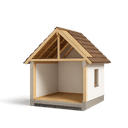
Dwelling
Repairs or rebuilds your home itself, the walls, roof, floors, built-in appliances, and attached structures like a garage, after a covered loss. Set this limit to the full cost of rebuilding, not market value.
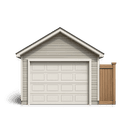
Other Structures
Detached structures on your property, such as a fence, shed, detached garage, or gazebo. Usually set at about 10 percent of your dwelling limit [2].

Personal Property
Your belongings, furniture, clothing, electronics, and appliances, generally written at 50 to 70 percent of your dwelling limit [2]. High-value items like jewelry and art carry special limits.

Additional Living Expenses
Also called loss of use. Pays your added living costs, hotel stays, meals, and a temporary rental, while a covered loss makes your home uninhabitable. Usually set at about 20 percent of your dwelling limit.

Liability
Covers you if someone is injured on your property, or you damage someone else's property, and you are found responsible. The standard $100,000 limit [2] is often raised to $300,000 or $500,000.

Medical Payments
Pays small medical bills, commonly $1,000 to $5,000, if a guest is hurt at your home regardless of fault, without a formal liability claim.
Homeowners Insurance Cost in Allentown
Average Cost in Pennsylvania
$75 - $190
per month
In Pennsylvania, homeowners insurance premiums typically run $75 - $190 per month, which tends to run 26% below the national range of $110 - $250 per month.
- Home replacement cost, age, and construction type
- Roof age, material, and condition
- ZIP code and local weather risk (wind, hail, wildfire, hurricane)
- Coverage limits and endorsements
- All-peril and percentage wind/hail deductibles
- Claims history and insurance score where allowed
Typical range for many standard homeowners profiles; lower-risk homes fall below it and coastal, wildfire, or older-roof homes can run well above. Final pricing depends on property details, location, underwriting, and selected coverage.
Prices shown are general estimates, not guaranteed rates or quotes. Your actual premium will depend on the insurer, coverage selected, personal details, location, claims history, and other underwriting factors. Learn about our pricing methodology.
Homeowners pricing in Pennsylvania usually moves on property-specific underwriting details, not a single statewide average that tells you much about your own house. A recently updated home with newer systems presents a different risk than an older property with aging plumbing, an older roof, or a finished basement that increases water-loss severity. Use your own home's details as a baseline when you compare quotes, and ask each carrier to explain how specific features drive the price up or down.
Your location inside the state also changes the quote. Carriers look at local weather patterns, fire protection, claim frequency, and rebuilding costs in your area. The same square footage can price differently if one home has a long response distance for fire service, mature trees close to the structure, or outbuildings that need to be insured. A quote can also move if the home has wood-burning equipment, a swimming pool, certain dog breeds, or a lapse in prior coverage.
Ask each carrier to quote the same deductible, the same endorsements, and the same treatment of roof settlement, water backup, and personal property categories. Then test one or two deductible options you could actually pay after a claim. If the premium drops but the deductible would strain your emergency fund, the cheaper quote may not be the better buy.
What Affects Homeowners Insurance Rates in Allentown
Local affordability is the part of the buying decision that changes the conversation here. Many households need a policy structure that protects the property without forcing unnecessary premium through avoidable limit choices. That usually means reviewing the dwelling estimate against the home's actual features, then deciding whether a higher deductible, adjusted personal property limit, or scheduled valuables coverage makes sense for your budget and belongings. If you are stretching to buy, ask for side by side quotes that show the premium effect of different deductibles and endorsements rather than only the lowest upfront option. If you already own the home, review whether past renovations, a finished basement, or newer mechanicals have changed the replacement picture since your last renewal. The goal is not the smallest policy, it is a policy you can keep in force and still use when a real loss happens.
What Makes Allentown Different
Affordability is the main thing that changes the calculus here. Many buyers are not insuring a high end custom property, but they still face real repair and rebuilding decisions if a loss hits. That can create a common mistake: choosing a policy around the mortgage payment instead of around the house's construction details, updates, and contents. The practical move is to separate market value from insurance value during the quote process. Ask how the carrier is estimating dwelling coverage, whether detached structures are included at a useful level, and how water backup, service line, or ordinance or law options would change the premium. If the home has older wiring, plumbing, or roof materials, disclose that early so the quote reflects the actual underwriting picture. A cleaner application now is usually better than finding out after binding that key details were assumed instead of verified.
Our Recommendation for Allentown
Start with the house file, not the declarations page from the seller or your current insurer. Gather the year built, roof age, electrical and plumbing updates, heating type, square footage, and any recent inspection notes. Then ask for a quote comparison that shows at least two deductible options and clearly lists any endorsements for water backup, equipment breakdown, scheduled jewelry, or ordinance or law coverage. If your budget is tight, do not automatically cut personal property or liability first. Review what you own, whether you work from home, and whether the home has detached structures, finished lower levels, or higher value items that need separate scheduling. If you are buying in a neighborhood with older housing stock, ask whether the carrier has any roof, wiring, or loss history restrictions before you bind. That gives you time to adjust terms, document updates, or keep shopping before closing pressure takes over.
Get Homeowners Insurance in Allentown
Enter your ZIP code to compare homeowners insurance rates from carriers in Allentown, PA.
Home insurance starting at $50/mo
FAQ
Frequently Asked Questions
Allentown buyers should bring the property address, inspection findings, roof age, update history, and mortgage requirements. Small differences in deductible or endorsements can materially change how workable the policy feels after closing.
Allentown market value is only a starting point. Dwelling coverage should be reviewed against the home's construction, age, updates, and rebuild features, not just the purchase price or loan amount.
Allentown households often feel deductible decisions more directly because local budgets can be tight. You want a deductible you can realistically absorb after a covered loss, not just one that trims premium on paper.
Lehigh County has 8,627 business establishments, so many households balance commuting, home based work, deliveries, and service visits around the property. That is a good reason to review liability limits and any business property exposure during quoting.
Lehigh County buyers should disclose older systems, recent renovations, detached structures, and any valuables early. In a county where retail trade is 13.8%, health care and social assistance 12.8%, and other services 11.5%, work patterns and property use can vary enough to affect endorsements.
Pennsylvania homeowners policies can treat basement water losses differently depending on the cause. A pipe that bursts inside a wall is a different claim than a drain that backs up into a finished basement, and both differ from floodwater rising from outside. Standard forms may cover the first scenario, often exclude the second unless you add an endorsement, and almost never handle the third without a separate flood policy.
Pennsylvania older homes often price differently because carriers look closely at roof age, wiring, plumbing, heating systems, and prior updates. If public records are outdated, provide inspection reports or contractor invoices so the quote reflects the home's current condition.
Yes, but the handoff needs to be clean. Make sure the new policy is active before the old one cancels, and confirm any mortgagee information and escrow handling are updated correctly so you do not end up with a gap or a billing dispute.
Sources
- 1.U.S. Census Bureau, ACS 5-Year Estimates, table B25077(Allentown's median home value is $188,900.)
- 2.U.S. Census Bureau, ACS 5-Year Estimates, table B19013(Allentown's median household income is $53,403.)
- 3.U.S. Census Bureau, County Business Patterns, Lehigh County(Lehigh County has 8,627 business establishments.; In Lehigh County, leading sectors by establishment share are retail trade at 13.8%, health care and social assistance at 12.8%, and other services except public administration at 11.5%.)
Updated July 5, 2026