Updated July 16, 2026

On-Hook Towing Insurance in Allentown
Property managers, apartment operators, repair shops, and commercial landlords around Hamilton Street, Airport Road, and the warehouse corridors often want current certificates before they let a tow operator work on site or remove a vehicle. Satisfying that request locally usually means showing limits that match the kinds of vehicles you actually pick up, plus clear documentation for drivers, trucks, and dispatch operations. Lehigh County has 8,627 business establishments. That volume puts you in front of new gatekeepers and vendor portals almost weekly, so keeping certificates ready to send is part of staying on call lists. Before you request quotes, list your common call sources, the vehicle types you move most often, and any locations that require you to be named in a vendor file, because those details tend to decide whether your paperwork clears quickly.
On-Hook Towing Insurance Risk Factors in Allentown
Allentown's top risk factors include Severe weather, Property crime, Flooding, and Vehicle accidents.
Pennsylvania has a moderate climate risk rating. Top hazards: Flooding (High), Winter Storm (High), Severe Storm (Moderate), Tornado (Low). The state's expected annual loss from natural hazards is $1.6B, which influences on-hook towing insurance premiums and may affect coverage availability in high-risk areas.
What On-Hook Towing Insurance Covers
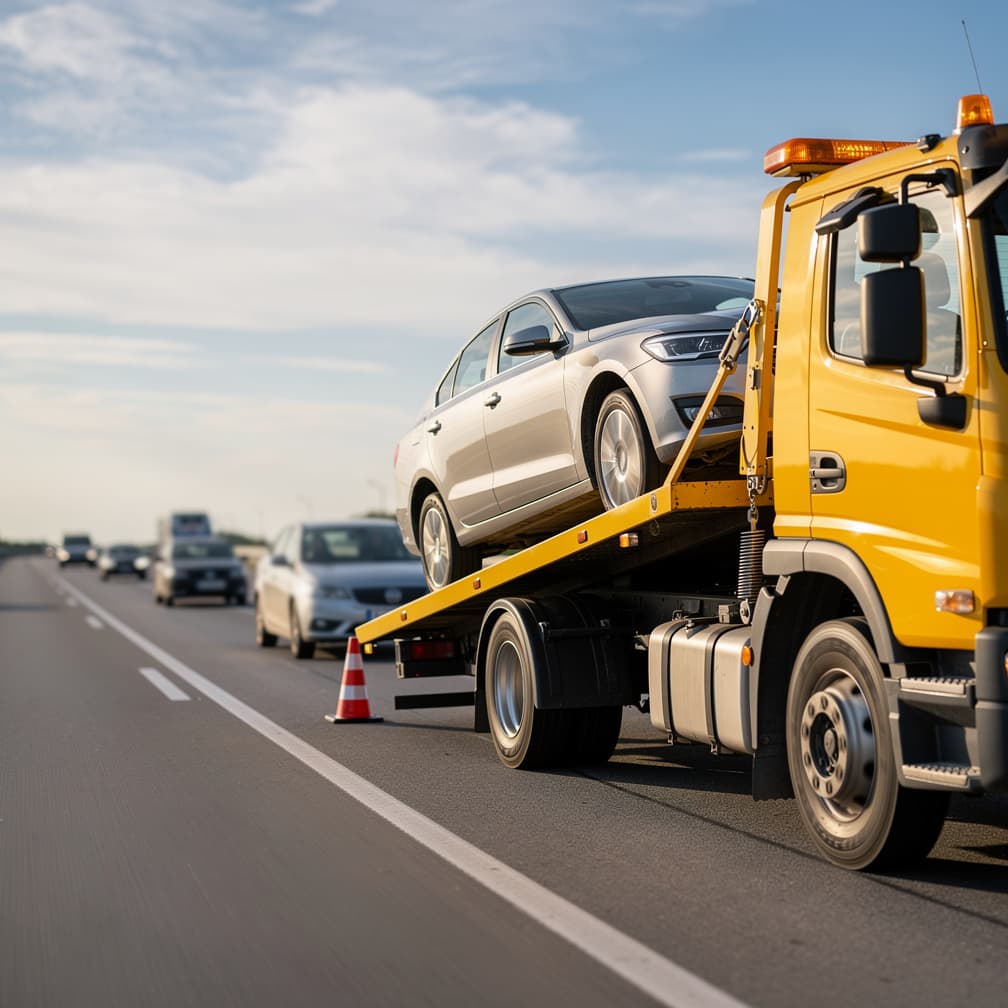
The state-specific issue is how your operation creates different damage scenarios and how clearly those scenarios are described to underwriting before a loss happens. A truck handling routine roadside tows on local streets presents one profile. A unit that also responds to crash scenes, steep driveways, parking structures, flood-affected areas, or winter recoveries presents another. Your review should spell out those differences in plain operating terms.
Ask the agent to walk through the exact points where disputes usually start: hookup, winching, bed loading, wheel-lift positioning, transport over rough pavement, unloading, and transfer to a body shop, storage lot, dealer, or customer location. If your drivers use photos, condition checklists, dispatch timestamps, and signed releases, say so. Those details matter because they help show how your business handles customer vehicles before, during, and after the tow.
Route and job type also matter. Harsh weather can change stopping distance, traction, and loading conditions, so your policy review should reflect whether you continue service during those periods and what safeguards drivers follow. If you tow higher-value pickups, commercial vans, all-wheel-drive vehicles, or low-clearance cars, request wording and limits that fit those exposures instead of assuming a prior policy still matches your current book of work.
You should also review how on-hook coverage interacts with the rest of your towing program. If a claim could involve a customer allegation, a police-directed tow, or a handoff to storage, ask where one policy ends and another begins so there is less confusion after a loss.
Coverage Included
Collision on Hook
Covers damage to towed vehicles from collisions during transport.
Comprehensive on Hook
Covers theft, fire, and weather damage to vehicles being towed.
Loading & Unloading
Covers damage during the process of loading and unloading vehicles.
Winching Coverage
Covers damage to vehicles during winching and recovery operations.
Multiple Vehicle
Covers all vehicles on multi-car carriers and rollback flatbeds.
Industries & Insurance Needs in Allentown
Lehigh County's business mix changes the kinds of towing relationships you may need to support with documentation and limits. Retail trade accounts for 13.8% of county establishments, health care and social assistance 12.8%, and other services, except public administration, 11.5%, so a local tow operator often works around shopping centers, medical offices, service businesses, and mixed-use commercial properties rather than one narrow client type. That matters because each setting can create a different vehicle custody question, access rule, or certificate request before a tow starts. A retail property may care about fast removal from customer parking, while a medical site may focus on vendor screening and incident documentation. If those are meaningful parts of your book, ask for a quote review built around where calls originate, who requests the tow, and whether you handle standard recoveries, private property removals, or transport tied to service businesses.
What Makes Allentown Different
In a market where you may serve apartments, shopping areas, clinics, contractors, and small commercial properties in the same week, the question is often not just whether you carry this coverage, but whether your documents make sense to the party hiring you. Allentown median household income is $53,403. When a tow bill lands on a household already stretched thin, disputes over charges or pre-existing damage get more likely, and your paperwork becomes your best defense. Clean documentation, realistic limits, and a clear claims contact matter most when you are moving customer vehicles from private property or after a breakdown. Your current policy may have been built around one referral source, but if your work now comes from several property types, it is worth checking whether your setup still fits the vehicles you tow and the contracts that demand proof before access is granted.
Our Recommendation for Allentown
Start your review with the jobs that create the most disagreement after a loss, not the easiest calls on your board. If you regularly tow from apartment communities, retail centers, or medical offices, ask your agent to walk through how your on-hook limits apply to the vehicles you most often take into custody and whether your certificate process is fast enough for property managers who need same-day proof. Keep a current schedule of trucks and drivers, and separate any work that involves private property enforcement from routine breakdown towing if the paperwork or handling standards differ. A lender, landlord, or national vendor portal asking for updated insurance documents is a signal to recheck limits and operational details. If you need complaint or policy oversight information, the Pennsylvania Insurance Department is the regulator to reference, but your immediate buying step is simpler: gather your contracts, recent call types, and vehicle mix before you compare quotes.
Get On-Hook Towing Insurance in Allentown
Enter your ZIP code to compare on-hook towing insurance rates from carriers in Allentown, PA.
Business insurance starting at $25/mo
FAQ
Frequently Asked Questions
Property managers and commercial landlords often ask for current proof before they authorize work on site. With nearly 8,700 business establishments across the county, vendor screening comes up regularly and usually from a different type of property each time.
Jobs often come from several property types, not one channel. Retail trade leads county establishments at 13.8%, followed by health care at 12.8% and other services at 11.5%. A retail lot may hand you a compact sedan, while a contractor yard may have a loaded work truck, so your limits need to stretch across both.
Private property tows can create fast disputes over pre-existing damage, authorization, and vehicle condition. At a $53,403 median household income, a tow and storage bill can consume a meaningful share of a monthly budget, which makes owners more likely to contest charges or file complaints.
Clients often have different insurance requirements depending on site access, vendor portals, and the vehicles on their property. Having the right certificate ready for each contract can help you avoid waiting in a parking lot while a facility reviews your paperwork.
Yes. A new truck may handle different calls, towing methods, or vehicle types than the rest of your fleet. For example, if you add a heavy-duty wrecker to a fleet of light-duty flatbeds, the new unit exposes you to claims your current policy may not address. Update the application before binding so the quote reflects current operations.
Winter conditions can change traction, braking distance, visibility, and loading conditions, so cold-weather operations should be described clearly during underwriting. If your drivers follow special securement or documentation steps in snow or ice, include those procedures in the quote review.
Pennsylvania police tow and impound work can change the underwriting picture because job timing, scene conditions, and dispute potential often differ from routine roadside calls. Tell the agent how often you take those assignments and how vehicles are documented at pickup.
The Pennsylvania Insurance Department regulates insurance complaints in the state. If you have a dispute with a carrier over a claim denial, policy issuance, or handling issue, you can file a complaint and the department can review whether the carrier followed state rules and policy language. Keep copies of applications, endorsements, and claim communications to support your case.
Sources
- 1.U.S. Census Bureau, County Business Patterns, Lehigh County(Lehigh County has 8,627 business establishments, so there are a lot of places here where a vendor approval process, site access rule, or service contract can turn on whether your proof of coverage looks complete and current.; Retail trade accounts for 13.8% of county establishments, health care and social assistance 12.8%, and other services, except public administration, 11.5%, so a local tow operator often works around shopping centers, medical offices, service businesses, and mixed-use commercial properties rather than one narrow client type.)
- 2.U.S. Census Bureau, ACS 5-Year Estimates, table B19013(Allentown median household income is $53,403, so many vehicle owners are sensitive to damage disputes and downtime costs when a car is already under financial strain.)
- 3.Pennsylvania Insurance Department(If you need complaint or policy oversight information, the Pennsylvania Insurance Department is the regulator to reference.)
Updated July 16, 2026