Updated July 5, 2026

Commercial Auto Insurance in Erie
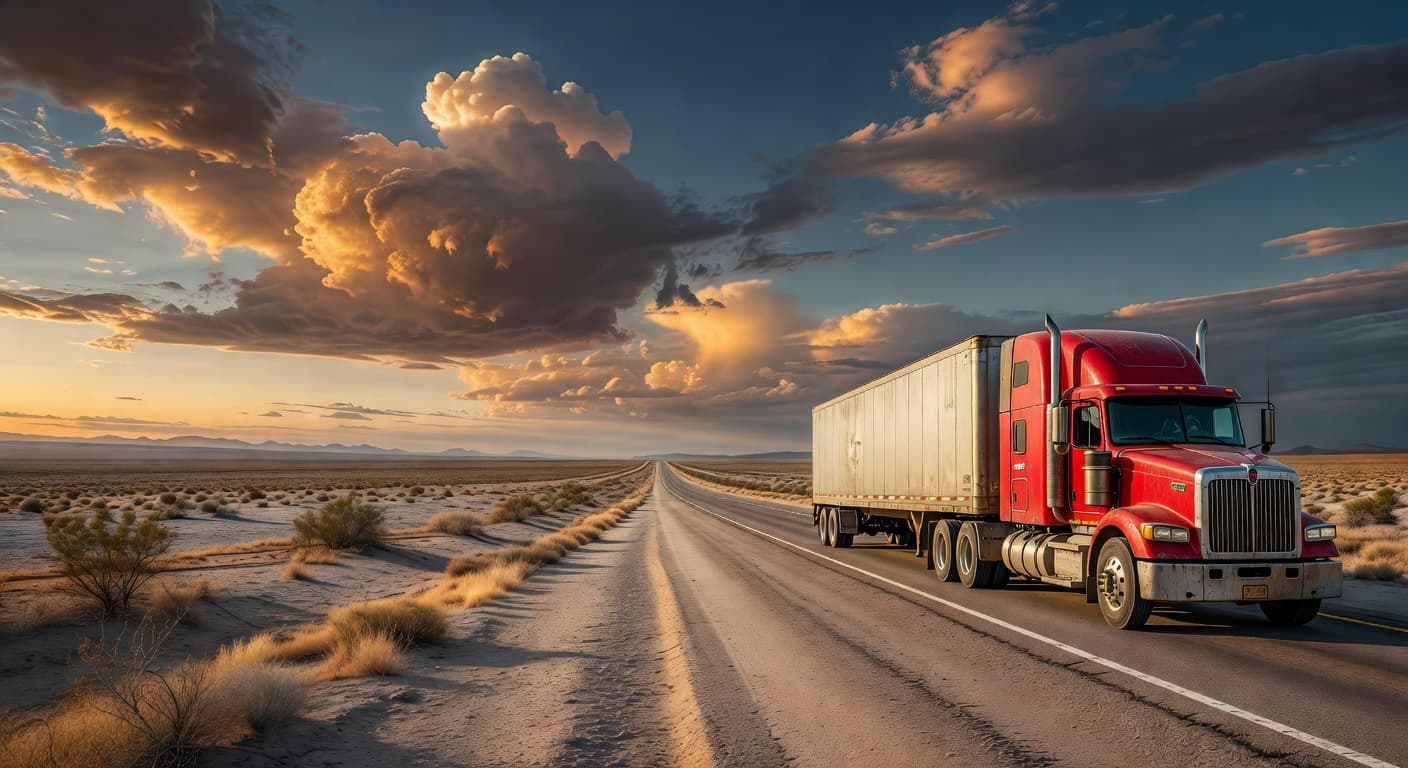
Your drivers are not running abstract statewide routes. They are moving between neighborhood storefronts, medical offices, service calls, and supplier pickups, often in the same day, with vehicles parked at leased bays, small lots, or curbside between stops. That operating pattern is why commercial auto insurance in Erie should be reviewed around how each unit is actually used: employee errands in a company sedan, deliveries in a light truck, or a van carrying tools and inventory that would slow down the next job if it is out of service. Erie County has 6,165 business establishments, so local fleets and single-vehicle operators are sharing roads with a dense mix of other working vehicles, not just personal traffic. That raises the practical importance of liability limits, hired and non-owned auto review, and downtime planning if one vehicle is central to your schedule. If your business depends on a small number of units, ask for a quote that separates vehicle use, driver assignments, garaging, and any borrowed or employee-owned vehicle exposure instead of treating every auto the same.
Commercial Auto Insurance Risk Factors in Erie
Erie's top risk factors include Severe weather, Property crime, Flooding, and Vehicle accidents. Erie's crime index of 108 (national avg: 100) increases vehicle theft risk, comprehensive auto coverage is important here. Flooding can cause significant vehicle damage, make sure comprehensive coverage is included.
Pennsylvania has a moderate climate risk rating. Top hazards: Flooding (High), Winter Storm (High), Severe Storm (Moderate), Tornado (Low). The state's expected annual loss from natural hazards is $1.6B, which influences commercial auto insurance premiums and may affect coverage availability in high-risk areas.
What Commercial Auto Insurance Covers
A business-use vehicle policy has to fit the state's minimum liability rules plus any endorsements your operation needs. At a minimum, Pennsylvania requires state minimum liability for commercial vehicles, and state-specific guidance notes that uninsured/underinsured motorist coverage may be required, so you should verify how that applies to your vehicle setup before binding coverage. The core protections typically include liability for bodily injury and property damage, collision for damage to your own vehicle after a covered crash, comprehensive for theft or weather-related damage, medical payments, and uninsured motorist protection. If your business rents vehicles or employees use personal cars for work, hired auto and non-owned auto coverage may help close those gaps when added correctly. That matters in Pennsylvania because your policy should align with how each vehicle is titled, registered, and used. If you haul equipment or operate in winter-prone or flood-prone areas, the collision and comprehensive choices become more important than a minimum-only policy.
Coverage Included
Bodily Injury Liability
Covers injuries you cause to others in an accident
Property Damage Liability
Covers damage you cause to others' property
Collision Coverage
Pays for damage to your vehicle in an accident

Comprehensive Coverage
Covers theft, vandalism, weather, and animal damage

Medical Payments
Covers medical costs for your drivers and passengers
Uninsured Motorist
Protection when the other driver lacks insurance
Hired & Non-Owned Auto
Covers rented or employee-owned vehicles used for work
Commercial Auto Insurance Cost in Erie
Average Cost in Pennsylvania
$140 - $430
per month
Businesses in Pennsylvania typically see commercial auto insurance premiums of $140 - $430 per month, which tends to run 4% above the national range of $140 - $410 per month.
- Fleet size and vehicle types
- Driver records and experience
- Coverage limits and deductibles
- Business industry and use
- Annual mileage and operating radius
- Claims history
Rates based on small business averages. Your actual premium may vary.
Prices shown are general estimates, not guaranteed rates or quotes. Your actual premium will depend on the insurer, coverage selected, business details, location, claims history, and other underwriting factors. Learn about our pricing methodology.
Commercial auto insurance cost in Pennsylvania is shaped by a mix of local risk and market conditions, not a one-size-fits-all rate. Based on internal CPK Insurance marketplace data drawn from a sample of small-business quotes, the broader small-business benchmark is about $140 to $410 per vehicle per month, or roughly $1,200 to $2,400 annually per vehicle. According to industry data, Pennsylvania premiums generally run about 5 to 10 percent above the national average. For a buyer, that means a policy that costs $200 a month elsewhere might run $210 to $220 here. Winter storms and flooding also matter, because the state's climate profile rates both as high hazards. Your premium may move up or down based on your fleet size and vehicle types, along with driver records and experience. Coverage limits and deductibles play a role, as do your business industry and use, annual mileage and operating radius, and claims history. A small local service vehicle in Harrisburg may price differently than a truck that runs longer routes through weather-exposed parts of the state. Pennsylvania also has many active insurance companies, so quote variation can be meaningful even for similar vehicles.
Industries & Insurance Needs in Erie
Erie County's business mix changes what many buyers should emphasize in a commercial auto policy review. Retail trade accounts for 14.5% of county establishments, health care and social assistance 14.4%, and other services except public administration 12.8%, so a large share of local businesses are making short, frequent trips tied to deliveries, home or client visits, and mobile service work rather than long-haul driving. That matters because stop-and-go routing, employee use of personal cars, and vehicles carrying equipment can create different claim patterns than a business that only commutes to one fixed site. If you operate in one of those common county sectors, review whether your quote addresses hired and non-owned auto exposure, loading and unloading routines, and substitute vehicle needs after a loss. A policy built for occasional driving can miss the way your staff actually moves through the workday.
What Makes Erie Different
Small-fleet dependence is the main thing that changes the buying calculus here. In a market with many smaller operators, one disabled van, pickup, or service car can interrupt appointments, deliveries, and payroll faster than a larger fleet can absorb. Erie median household income is $43,397, so many local customers and counterparties are price-sensitive, and delays or rescheduling can cost you the job as much as the repair bill. That makes commercial auto decisions less about chasing a bare minimum and more about keeping operations moving after a covered loss. You may want to compare transportation expense, rental reimbursement, and physical damage deductibles against your actual cash reserves and replacement timeline. If one vehicle carries a disproportionate share of your weekly revenue, ask what happens operationally if it is unavailable for several days, then build the quote around that answer.
Our Recommendation for Erie
Start with a vehicle-by-vehicle schedule, not a single blanket description of the fleet. A contractor's pickup, a delivery van, and an owner's sedan used for bank runs do not create the same exposure, and your quote should show those differences clearly. Next, map who drives what, whether any employee uses a personal vehicle for work, and whether you ever rent or borrow a replacement unit during busy periods. Those details often matter as much as the number of vehicles. If your business serves homes, clinics, or retail accounts across the county, review liability limits with the assumption that a single accident can also disrupt customer commitments. It is also worth asking how claims would be handled if a financed vehicle is totaled or if specialized equipment inside the vehicle is essential to the next job. Bring your current declarations page, driver list, vehicle schedule, and a realistic description of daily use before requesting a free quote.
Get Commercial Auto Insurance in Erie
Enter your ZIP code to compare commercial auto insurance rates from carriers in Erie, PA.
Business insurance starting at $25/mo
FAQ
Frequently Asked Questions
Erie businesses with one or two vehicles often need a more detailed review, not a simpler one. When a small operation depends on a single unit, downtime, substitute transportation, and employee vehicle use can matter as much as the base liability limits.
Erie County service businesses should check how the quote treats tools, frequent stops, employee drivers, and any personal cars used for work. County industry mix shows many businesses operate in retail, health care, and service categories, where short local trips are common.
Erie County has 6,165 business establishments, so retail and delivery operators are sharing roads and parking areas with many other working vehicles. That makes it smart to review liability limits, backing exposures, and what happens if a delivery vehicle is sidelined.
Erie companies that send employees on deposits, pickups, or client visits should not assume a personal policy addresses the business exposure. Ask your agent to review hired and non-owned auto coverage if staff use their own cars for company tasks.
Erie buyers should gather the current declarations page, vehicle list, VINs, driver information, loss history, and a plain description of daily use. A cleaner submission helps the quote reflect how each vehicle actually operates instead of forcing generic assumptions.
In Pennsylvania, a commercial auto policy can include liability, collision, comprehensive, medical payments, and uninsured motorist protection, and it can also extend to hired and non-owned vehicles if those endorsements are added.
Pennsylvania requires minimum liability for commercial vehicles, and your policy should align with state DMV registration rules.
The typical range for the state is about $140 to $410 per month per vehicle, while the small-business annual benchmark is about $1,200 to $2,400 per vehicle, depending on your drivers, mileage, limits, and vehicle types.
Sources
- 1.U.S. Census Bureau, County Business Patterns, Erie County(Erie County has 6,165 business establishments, so local fleets and single-vehicle operators are sharing roads with a dense mix of other working vehicles, not just personal traffic.; Retail trade accounts for 14.5% of county establishments, health care and social assistance 14.4%, and other services except public administration 12.8%, so a large share of local businesses are making short, frequent trips tied to deliveries, home or client visits, and mobile service work rather than long-haul driving.)
- 2.U.S. Census Bureau, ACS 5-Year Estimates, table B19013(Erie median household income is $43,397, so many local customers and counterparties are price-sensitive, and delays or rescheduling can cost you the job as much as the repair bill.)
Updated July 5, 2026