







































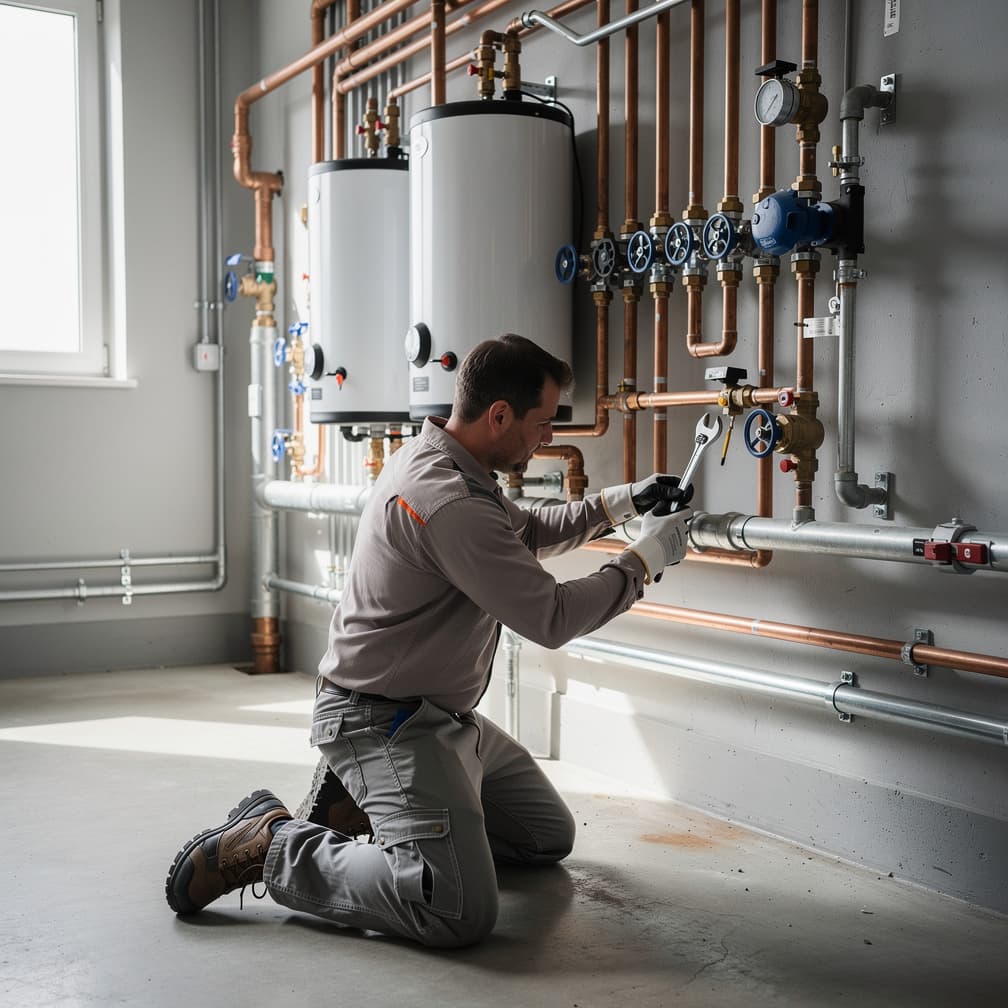

With a median home value of about $232,000, the finished surfaces a plumber works around in Philadelphia are worth more than the pipe behind them. Nobody files a claim over eight inches of copper; they file over the hardwood, the cabinets, and the ceiling below. Plumbing insurance in Philadelphia is priced against that reality, which is why the value of what surrounds your work matters to an underwriter. Higher-value interiors mean higher repair invoices, and repair invoices are what a liability limit gets spent on. Remodel work compounds it, since a leak inside a finished wall is discovered after the trim goes on. The published ranges below show what the lines cost. Bring your real revenue mix to the comparison, because the split between service calls and renovation work moves the number.
What Makes Philadelphia Different
Payroll is the engine under a plumbing premium, and helpers, apprentices, and licensed techs are not priced alike. Dense markets pay more per hour, so an identical crew produces a bigger payroll figure and a bigger quote. That is not a penalty, since higher wages usually track the more valuable work that comes with them. A commercial account in Philadelphia can demand higher limits, and limits cost money in a straight line. Claims history multiplies all of it: one open water damage file can outweigh five quiet years. Deductibles are the lever owners forget, and raising one on equipment can buy a limit somewhere useful. What you control is the accuracy of what you report and the shape of the work you accept in Philadelphia. The rest is arithmetic somebody else does with your numbers.
Local Risk Factors in Philadelphia
Flooding puts a plumber in two places at once: your own shop and van are at risk, and the phone fills up with backed-up drains and dead sump pumps across Philadelphia. Standing water in a crawl space is work you get paid for and an injury risk you do not, because the sewage and the electrical arrive together. The property side is where owners get surprised. A standard property policy typically excludes flood, so water rising from outside is its own decision, usually priced through the federal program or a specialty market. Tools in a truck parked in a low spot are a separate question again. Ask which of your property sits where before the water does, since Pennsylvania flood program details are not the same everywhere.
What Coverage Does a Plumbing in Philadelphia Need?
General Liability
Landlords, general contractors, and property managers ask for this one by name before your first day on site. It typically answers third-party claims: warped flooring under a failed connection, a tenant who slips on water in a hallway, a ceiling that lets go two floors below. Redoing your own defective joint generally sits outside it.
Example: A shutoff valve fails overnight after a routine swap and the kitchen below is ruined; General Liability can help cover the restoration bill and the claim that arrives behind it.
Workers Compensation
An apprentice pinned by a water heater on a basement stair is what this line exists for. Medical care and lost wages for an injured employee are typically its job, and general contractors often want proof or a waiver before anyone walks onto a site. Rules differ by state, and a helper paid on a 1099 may still count.
Example: A helper strains his back pulling a cast iron section out of a crawl space and misses six weeks of work; Workers Compensation may pick up the treatment and part of the lost pay.
Commercial Auto
A personal auto policy typically steps back the moment a van is used for the business, and that gap is what this line fills. Vehicles, trailers, and the people driving them are what it rates on, and injury claims from an accident tend to be the largest ones a plumbing shop ever sees. Damage to your own truck is usually a separate choice.
Example: A loaded van rear-ends a car while merging on the way to a call in Philadelphia; Commercial Auto is generally where the other driver's injuries and your truck's repairs both get sorted out.
Tools & Equipment (Inland Marine)
Tools live in a truck, and a policy written on a building does not follow them out there. A hydro jetter, a camera reel, press tools, and the fittings behind the seat are typically scheduled here, with theft from a locked vehicle the claim this trade files most often. Items above a set value usually have to be listed individually.
Example: A trailer is cut loose from a job site overnight with a jetter still strapped down; a scheduled Inland Marine claim could put that equipment back on the road inside a week.
Commercial Umbrella
Where a general contractor's requirement runs past what your base policy carries, this is the less expensive way to reach the number. It sits above liability and auto, coming into play when one loss, a flooded floor or a bad intersection, exhausts the underlying limit. It cannot repair a coverage the policy beneath it never had.
Example: Water from a burst riser reaches four units and a retail tenant, and the demands outrun the base limit; a Commercial Umbrella might absorb what is left once the underlying policy is spent.
How Much Does Plumbing Insurance Cost in Philadelphia?
Plumbing Insurance is a bundle of separate policies, priced separately. The ranges below are typical figures for Philadelphia for each line, except workers compensation, which is rated per $100 of payroll; a quote prices each one against your own operations.
| Coverage | Typical range | What moves your price |
|---|---|---|
| General Liability Insurance | $140 - $440 per month | Industry and risk classification, annual revenue, number of employees |
| Workers Compensation Insurance | $0.75 - $2.74 per $100 of payroll | Employee classification codes, total annual payroll, experience modification rate |
| Commercial Auto Insurance | $290 - $775 per month | Fleet size and vehicle types, driver records and experience, coverage limits and deductibles |
| Inland Marine Insurance | $40 - $140 per month | Total insured value of the scheduled property, type and age of the equipment, where it is stored and how far it travels |
| Commercial Umbrella Insurance | $70 - $230 per month | Umbrella limit requested, limits carried on the underlying policies, loss history on those underlying policies |
Prices shown are general estimates, not guaranteed rates or quotes. Your actual premium will depend on the insurer, coverage selected, business details, location, claims history, and other underwriting factors. Learn about our pricing methodology.
What Are the Insurance Requirements for a Plumbing in Philadelphia?
Workers' comp is generally required once you have your first employee. Pennsylvania generally requires employers to carry workers' compensation at that point. Common exemptions include sole proprietors, general partners, and some agricultural workers. Confirm current thresholds with your state's workers' compensation agency before you hire.
State auto liability minimums apply to business vehicles. Pennsylvania's minimum auto liability limits are $15,000/$30,000/$5,000 (bodily injury per person / per accident / property damage). Contracts and lenders often require more than the state floor.
Where to verify licensing and coverage rules. The Pennsylvania Insurance Department publishes consumer guidance and current insurance requirements for Pennsylvania businesses. When a contract or lease demands specific wording, the Pennsylvania Insurance Department's guidance is the authoritative place to check.
Get Your Plumbing Quote in Philadelphia
Compare rates from multiple carriers. Free quotes, no obligation.
Operating in Philadelphia
- Water heaters are heavy, awkward, and usually down a flight of stairs; the strained back is a payroll problem and the gouged stair rail is somebody else's property.
- A jetter or camera reel left in a locked van overnight is the most stolen thing this trade owns, and replacing one inside Philadelphia County can idle a truck for days.
- Condo boards and building supers in Philadelphia can require a certificate and an additional insured endorsement before releasing an elevator, which puts your paperwork in charge of your schedule.
- Shutting off water in a multi-tenant building affects businesses you never invoiced, and any one of them can put a number on the hours they lost while you worked.
How to Buy: Advice for Philadelphia Owners
Before signing a subcontract, confirm three numbers and one name. The per-occurrence limit, the aggregate, and any required umbrella figure are the numbers; the exact legal entity to be named as additional insured is the name. Get the entity wrong and the certificate is worthless at the moment somebody needs it. Commercial Umbrella often exists purely because a general contractor asked for a limit the base policy could not reach. Proof of Workers Compensation is usually requested in the same breath, even from a one-person shop, and a waiver of subrogation may ride along with it. Check the Pennsylvania Insurance Department's guidance before deciding what to agree to in a subcontract. Then take the finished requirement list to participating carriers and price it once, properly, for Philadelphia work.
FAQ
Plumbing Insurance in Philadelphia: FAQ
Payroll by role, last year's revenue, a vehicle list with drivers, an equipment list, and an honest description of the work you take. That description sets your class, and a wrong class produces a low quote you cannot collect on. Include the truck somebody drives home and the trailer parked at a job. Accuracy at this stage is what makes two quotes comparable at the next one.
Rising water is typically excluded from a standard property form, whether the building is yours or rented. Flood is priced on its own, usually through the federal program or a specialty market. Sewer backup is a different question again and often needs its own endorsement. Ask in writing which one applies to a Philadelphia shop before the season starts, not while the water is on the floor.
Property managers, general contractors, landlords, condo boards, and facilities managers at commercial buildings, usually before a work order gets released. A homeowner may never ask at all. The request tends to name limits, an entity to add as additional insured, and a notice term, and the wording has to match exactly. A Philadelphia building can hold your crew at the door over that document.
The per-occurrence figure is the most a policy may pay for one flooded basement; the aggregate is the ceiling across the whole policy year. Two bad water losses in twelve months can exhaust an aggregate and leave every later job standing on nothing. A per-project aggregate keeps one job from draining the limit behind the others, which is why contracts ask for it. Read both numbers on the certificate.
You can be named, and being named costs money whether or not the claim survives. Defense costs are real, and on many forms they erode the same limit a settlement draws on. That is how an old galvanized line failing on its own still lands in your mail six weeks later. Photographs of what you found before starting are the least expensive defense available.
Generally not. Correcting your own defective work is usually treated as a cost of doing business, while the damage that work does to other property is where liability coverage tends to come in. That line decides whether you file or simply go back and fix it. Ask a carrier to show you the exclusion in the form instead of describing it on the phone.
Sources
- 1.U.S. Census Bureau, ACS 5-Year Estimates (2023), table B25077(The median home value in Philadelphia is about $232,000.)
- 2.Pennsylvania Insurance Department(Pennsylvania Insurance Department publishes consumer guidance for insurance buyers.)


