







































Updated July 16, 2026

Car Insurance in Philadelphia
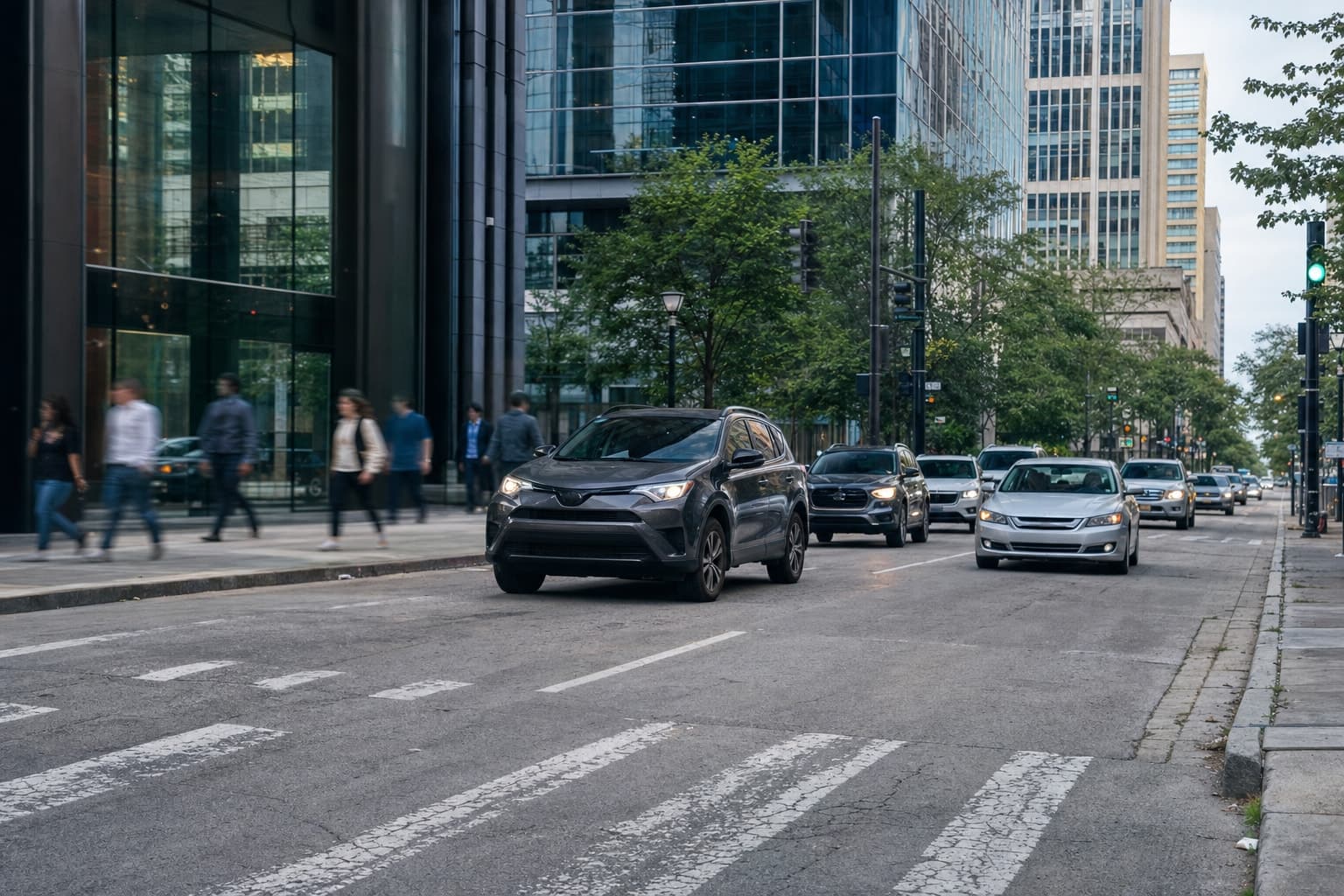
A sideswipe on the Schuylkill Expressway or a bumper claim after a tight South Philly parking maneuver can turn a routine week into a coverage problem fast. The real question is not just whether you carry the state minimum. It is whether your limits, deductibles, and rental reimbursement fit dense traffic, older rowhouse blocks with limited off-street parking, and daily driving that mixes short urban trips with highway merges. Philadelphia households report a median income of $60,698, which means a $1,000 deductible could consume nearly two weeks of take-home pay for the typical household. That makes it worth stress-testing your quote before you buy. Ask how a higher or lower deductible changes the premium, whether glass claims affect your rate, and how uninsured motorist options line up with the way you actually use the car. Review those details before renewal, not after a claim.
Pennsylvania has a moderate climate risk rating. Top hazards: Flooding (High), Winter Storm (High), Severe Storm (Moderate), Tornado (Low). The state's expected annual loss from natural hazards is $1.6B, which influences car insurance premiums and may affect coverage availability in high-risk areas.
What Car Insurance Covers
Pennsylvania auto policies are built around several main coverages. Liability responds when you cause injuries or damage to others, while collision helps pay for your vehicle after an auto accident. Comprehensive applies to non-collision losses such as theft, weather, or other covered events. In Pennsylvania, those choices matter because winter storms and flooding are recurring issues across the state, and severe storm losses have been a recurring issue across the state. Uninsured motorist coverage is especially relevant here because a notable portion of drivers on the road lacks coverage. Medical payments coverage can help with medical expenses after a covered crash, and rental reimbursement can help cover the cost of a rental car if your vehicle is in the shop. If you drive in places with heavier winter exposure, flood-prone roads, or higher traffic congestion, those local conditions can make collision and comprehensive decisions more important than they would be on a national summary page.
Coverage Included

Liability
Can help pay for injuries and property damage you cause to others in an accident, coverage most states require drivers to carry.
Collision
Can help pay to repair or replace your car after a crash with another vehicle or object, regardless of fault.

Comprehensive
Typically covers damage to your car from events other than collisions, such as theft, hail, fire, flooding, or hitting an animal.
Uninsured Motorist
May pay for your injuries and, in some states, car damage when an at-fault driver has no insurance or too little.

Medical Payments
Can help cover medical bills for you and your passengers after an accident, no matter who was at fault.
Rental Reimbursement
May pay for a rental car while your vehicle is in the shop for repairs after a covered claim.
Car Insurance Cost in Philadelphia
Average Cost in Pennsylvania
$95 - $240
per month
In Pennsylvania, car insurance premiums typically run $95 - $240 per month, which tends to run 1% below the national range of $110 - $230 per month.
- Driving record and age
- Vehicle make, model, and year
- Location and commute distance
- Credit-based insurance score
- Coverage limits and deductibles
Contact CPK Insurance for a personalized quote.
Prices shown are general estimates, not guaranteed rates or quotes. Your actual premium will depend on the insurer, coverage selected, personal details, location, claims history, and other underwriting factors. Learn about our pricing methodology.
Your final price depends on coverage limits, deductibles, claims history, location, endorsements, and the vehicle you insure, and rates can vary widely by ZIP code, commute pattern, and coverage choices. Lane departure, speeding, weather conditions, distracted driving, and failure to yield are among the top causes of local crashes, and insurers factor those patterns into how they price risk, especially in urban and suburban corridors with heavier traffic. The market includes a large number of active carriers, so there is meaningful competition. If you raise your deductible, your premium may move downward, while lower deductibles and broader coverage often increase the monthly cost. A thin policy that saves you a few dollars a month could leave you paying thousands out of pocket after a serious Pennsylvania crash.
What Makes Philadelphia Different
In a city where many drivers park on the street, squeeze through older blocks, and make frequent short trips instead of long suburban commutes, small losses can matter more than dramatic crashes. That shifts the review from abstract coverage categories to claim mechanics. You need to know how much you would pay before insurance responds, whether you can afford to be without the car, and whether cosmetic damage would be a financial disruption or just an inconvenience. It also means your quote should be built around use patterns, not assumptions. Be specific about how often you drive, whether you commute across the city daily, and whether another household member regularly uses the car. The goal is a policy that fits your actual routine closely enough that a claim does not create a second problem over deductibles or excluded drivers.
Our Recommendation for Philadelphia
Start with the car itself and where it spends the night. If you finance or lease, confirm the lender's physical damage requirements first. Then compare deductible options you could realistically pay without borrowing. If the vehicle is older and paid off, ask whether collision still makes sense relative to its value, but do not drop comprehensive casually if street parking or theft exposure is part of your routine. Next, review liability limits with your assets and income in mind, because a claim that exceeds a low limit can have lasting budget consequences. Then check the practical add-ons. Rental reimbursement can help if you cannot miss work without a car. Roadside assistance may help if you keep an older vehicle. Uninsured motorist choices can help cover gaps after a serious crash. Before you bind coverage, verify garaging address, drivers, annual mileage, and business use so the policy matches how the car is actually used.
Get Car Insurance in Philadelphia
Enter your ZIP code to compare car insurance rates from carriers in Philadelphia, PA.
Car insurance starting at $59/mo
FAQ
Frequently Asked Questions
Drivers often review comprehensive more closely when the car is parked on the street overnight, because theft, vandalism, and glass damage can create out-of-pocket costs even when no other driver is involved. Compare the premium change against a deductible you could actually pay.
Choose a deductible based on cash flow, not just premium savings. Ask for quotes with two deductible options and choose the one you could handle after a collision, theft, or vandalism claim.
Philadelphia County has 29,876 business establishments, which means roughly one in six working residents may drive for work tasks beyond a standard commute. That means a significant share of workers may need to disclose business use to avoid a denied claim. If that sounds like you, disclose the use clearly and ask whether your policy rating matches how the car is actually driven.
Philadelphia County's leading sectors are health care and social assistance at 14.8%, retail trade at 14.6%, and accommodation and food services at 13.2%. Those industries rely heavily on shift work and irregular schedules, which can mean more late-night driving and higher annual mileage than a typical policy assumes. Review your mileage and vehicle use carefully so your policy reflects how the car is actually driven.
Liability addresses injuries and damage you cause to others, collision helps with repairs after an auto accident, comprehensive may help cover non-collision losses, and medical payments can help with medical expenses after a covered crash. The right mix for you depends on how you drive in Pennsylvania, what your vehicle is worth, and how much weather exposure you face.
Pennsylvania auto policies are regulated by the Pennsylvania Insurance Department, and coverage details can vary by carrier and policy form. Personal auto minimums in the state are $15,000/$30,000/$5,000, so drivers should compare their own limits carefully with a carrier.
Your final price depends on coverage limits, deductibles, claims history, location, endorsements, and the vehicle you insure, so a personalized quote is the only way to see your exact rate.
That depends on your car, your budget, and your driving environment. Liability is the starting point for many drivers, while collision and comprehensive are often more relevant if your vehicle is newer, financed, or exposed to winter storm and flooding risk.
Sources
- 1.U.S. Census Bureau, ACS 5-Year Estimates, table B19013(Philadelphia households report a median income of $60,698, so a deductible that looks manageable on paper can still strain your budget after a collision or vandalism loss.)
- 2.U.S. Census Bureau, County Business Patterns, Philadelphia County(Philadelphia County has 29,876 business establishments, so many local drivers use personal vehicles for errands, client visits, or shift work.; Philadelphia County's leading sectors are health care and social assistance at 14.8%, retail trade at 14.6%, and accommodation and food services at 13.2%.)
Updated July 16, 2026





