







































Updated July 16, 2026

Commercial Truck Insurance in Philadelphia
You may be running a box truck from a leased yard in Juniata, sending refrigerated units to hospital docks before sunrise, or cycling straight trucks between neighborhood retailers and restaurant suppliers through Center City loading windows. Commercial truck insurance in Philadelphia should be quoted around where your vehicles actually park and how often drivers back into alleys or tight service areas. It also matters whether you cross the county line all day, and which customers require higher liability limits or additional insured wording before a load moves. Philadelphia County has a large base of business establishments, and local trucking work often means frequent vendor, delivery, and service relationships rather than one repetitive lane. If your book includes medical, retail, or food accounts, ask for a quote built around your actual route and contract terms.
Commercial Truck Insurance Risk Factors in Philadelphia
Philadelphia's top risk factors include Severe weather, Property crime, Flooding, and Vehicle accidents.
Pennsylvania has a moderate climate risk rating. Top hazards: Flooding (High), Winter Storm (High), Severe Storm (Moderate), Tornado (Low). The state's expected annual loss from natural hazards is $1.6B, which influences commercial truck insurance premiums and may affect coverage availability in high-risk areas.
What Commercial Truck Insurance Covers
In Pennsylvania, commercial truck insurance is built around the way your truck operates, not just the vehicle itself. Motor carrier liability is the core protection for trucking businesses, and it is the part most likely to be checked first when you are working with shippers, brokers, or compliance reviewers. The product can also include physical damage coverage for trucks, cargo insurance, trailer interchange, bobtail coverage, and non-trucking liability insurance, depending on whether you haul under dispatch, move empty, or handle trailers that are not owned by you. Pennsylvania businesses should also remember that coverage requirements may vary by industry and business size, so a box truck operator in local delivery may need a different structure than a long-haul fleet moving across state lines.
The state's commercial auto minimums are $15,000 for injury to one person, $30,000 per accident, and $5,000 for property damage, but trucking operations often need more than a basic auto form because federal freight rules can require higher liability limits, and many shippers and brokers ask for stronger proof than the minimum. Pennsylvania is regulated by the Pennsylvania Insurance Department, so policy wording, endorsements, and certificates should be reviewed with that framework in mind. Coverage can also be affected by winter storm exposure, flooding, and severe storm risk, which matter for cargo timing, equipment damage, and route disruptions. Standard exclusions still depend on the policy form and endorsements, so the exact treatment of empty miles, detached trailers, and freight in transit varies by carrier and operation.
Coverage Included

Motor Carrier Liability
Can help cover injuries and property damage your truck causes to others, a coverage federal regulators require most for-hire carriers to maintain.
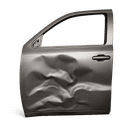
Physical Damage
Can help pay to repair or replace your own truck after an accident, fire, theft, or vandalism.
Cargo Coverage
May pay for damage to or theft of the freight you are hauling while it is in your care.
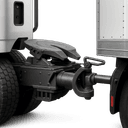
Trailer Interchange
Can help cover damage to trailers you haul under an interchange agreement but do not own.
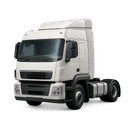
Bobtail Coverage
May provide liability protection when you drive your tractor without a trailer attached, such as after dropping off a load.

Non-Trucking Liability
Can help cover accidents that happen when you use your truck for personal errands rather than dispatched work.
Commercial Truck Insurance Cost in Philadelphia
Average Cost in Pennsylvania
$410 - $1,125
per month
Businesses in Pennsylvania typically see commercial truck insurance premiums of $410 - $1,125 per month, which tends to run 1% above the national range of $400 - $1,125 per month.
- Radius of operation
- Commodities hauled and cargo value
- Number and value of power units
- Driver motor vehicle records and CDL experience
- DOT safety record, inspections, and FMCSA scores
- Liability limits and physical damage deductibles
Contact CPK Insurance for a personalized quote.
Prices shown are general estimates, not guaranteed rates or quotes. Your actual premium will depend on the insurer, coverage selected, business details, location, claims history, and other underwriting factors. Learn about our pricing methodology.
For Pennsylvania trucking risks, monthly cost per truck is often above the national average. Your final price depends on coverage limits and deductibles, claims history, location, industry or risk profile, and policy endorsements. A carrier running mostly local routes around Harrisburg may see different pricing pressure than a long-haul fleet that deals with weather, mileage, and multi-state exposure, especially when winter storms and flooding are part of the operating environment.
Pennsylvania's market is competitive, with top carriers including Erie Insurance, so pricing can vary meaningfully from one quote to another. That competition matters, but it does not override underwriting details such as cargo type, truck type, and how often the vehicle is on the road. Different equipment types carry different risk profiles, so a refrigerated truck will be priced differently than a delivery van. The state also has an insurance premium index of 106, meaning premiums here run about 6% higher than the national baseline, so budgeting around national averages may leave you short.
The biggest cost drivers you can control are deductibles, coverage limits, and endorsements. If you need motor carrier liability coverage, cargo protection, trailer interchange, bobtail coverage, or non-trucking liability insurance, each addition can change the quote. A personalized commercial truck insurance quote is the only way to see how your route mix, claims record, and equipment class affect the final price.
Industries & Insurance Needs in Philadelphia
Philadelphia County's customer mix is the part worth paying attention to. The county's leading sectors by establishment share are health care and social assistance at 14.8%, retail trade at 14.6%, and accommodation and food services at 13.2%, so many local truck risks are tied to frequent deliveries, time-sensitive schedules, and tighter receiving conditions rather than long uninterrupted highway miles. That matters because a truck serving clinics, stores, restaurants, and hospitality accounts may face more backing, curbside unloading, driver turnover, and certificate requests than a similar unit on a simpler route plan. If those sectors make up your customer base, ask your agent to review radius, commodity description, cargo handling, and whether your liability limits match the contract language larger accounts send over before onboarding a carrier.
What Makes Philadelphia Different
Stop density is the main difference here. In many markets, a truck policy can be reviewed around mileage first, but in Philadelphia the harder question is often how many pickups, deliveries, dock approaches, and curbside maneuvers happen in a normal week. That changes the exposure profile for straight trucks, vans, and small fleets serving neighborhood commercial corridors and institutional accounts. Philadelphia County reports 29,876 business establishments, which means your drivers face more site rules, more certificates to file, and more chances for a minor incident during loading or backing on any given day. Prepare your submission around route density, parking location, driver schedules, and the kinds of premises you enter, rather than relying on a generic quote based only on vehicle type and annual miles.
Our Recommendation for Philadelphia
Start with the way your trucks actually earn revenue this week. If you serve hospitals, retailers, restaurants, or mixed commercial accounts, list your top delivery types, usual parking addresses, and whether drivers unload, use liftgates, or leave trailers at customer sites. An underwriter gets a much clearer picture from those specifics than from broad labels like local delivery. If contracts come from larger institutions or property managers, have someone review additional insured requests, waiver language, and any evidence of coverage deadlines before renewal, not after a job is awarded. Philadelphia median household income is $60,698, so a single unpaid claim or surprise premium hike can threaten a family-run operation, which makes predictable monthly overhead a survival issue. Compare deductible choices, liability limits, and endorsements against your actual contracts and parking setup, then build your submission from those details.
Get Commercial Truck Insurance in Philadelphia
Enter your ZIP code to compare commercial truck insurance rates from carriers in Philadelphia, PA.
Business insurance starting at $25/mo
FAQ
Frequently Asked Questions
Bring garaging addresses, driver lists, vehicle schedules, delivery radius, and contract requirements. Local operations often involve many counterparties, so certificate wording, unloading duties, and parking location can affect what an underwriter needs to review.
Health care and social assistance account for 14.8% of establishments, retail trade 14.6%, and accommodation and food services 13.2%. Together those three sectors drive most of the city's delivery, loading-dock, and curbside activity, so your stop frequency and liability exposure rise sharply when your customer mix leans toward them. If you serve those sectors, ask for a policy review around stop frequency, unloading, and contract-driven limits.
A dense local route often means repeated backing, curbside unloading, and short runs between commercial corridors. A quote should reflect where the truck is parked, how often it stops, and whether customers require higher liability limits.
Philadelphia County has a large business base, and truck operators often work with many vendors, landlords, and commercial customers. That usually means more certificate requests and tighter onboarding terms, making it smart to review additional insured wording before dispatch starts.
Compare deductibles, liability limits, and optional endorsements against actual contracts and parking conditions. With the city's median household income at $60,698, cash flow matters, but trimming coverage too far can leave a much larger gap after a claim.
It can be built to include motor carrier liability, physical damage, cargo coverage, trailer interchange, bobtail coverage, and non-trucking liability insurance, depending on how your truck is used in Pennsylvania.
Pennsylvania commercial auto minimums apply, but trucking businesses may need higher liability limits based on freight, contracts, and federal freight expectations.
Cost per truck can vary widely based on limits, deductibles, claims history, location, and endorsements. A personalized quote is the only way to see how your specific route mix and equipment class affect the final price.
Sources
- 1.U.S. Census Bureau, County Business Patterns, Philadelphia County(The county's leading sectors by establishment share are health care and social assistance at 14.8%, retail trade at 14.6%, and accommodation and food services at 13.2%, so many local truck risks are tied to frequent deliveries, time-sensitive schedules, and tighter receiving conditions rather than long uninterrupted highway miles.; Philadelphia County reports 29,876 business establishments, which helps explain why many operators here work a dense service map with varied counterparties, and that usually means more certificates, more site rules, and more chances for a minor incident during loading or backing.)
- 2.U.S. Census Bureau, ACS 5-Year Estimates, table B19013(Philadelphia median household income is $60,698, so many small operators and family-run fleets feel pressure to keep monthly overhead predictable, but cutting limits or skipping optional coverages can create a much larger problem after a loss.)
Updated July 16, 2026





