Updated July 16, 2026

Dealer Open Lot Insurance in Philadelphia
Philadelphia County has 29,876 business establishments. For a dealer, that many neighboring businesses means more foot and vehicle traffic around your inventory every day. Underwriters know this and tend to judge your lot on documentation and site control, not just on how many units you carry. The local question is often how tightly your records line up with the way vehicles actually move through your operation. A thin application can make you look less controlled than you are. A stronger submission starts with a current inventory schedule and a clear explanation of where vehicles sit overnight, who can move them, and how often stock shifts between locations. Ask for the quote review to focus on those operational details before you compare limits or deductibles.
Dealer Open Lot Insurance Risk Factors in Philadelphia
Philadelphia's top risk factors include Severe weather, Property crime, Flooding, and Vehicle accidents.
Pennsylvania has a moderate climate risk rating. Top hazards: Flooding (High), Winter Storm (High), Severe Storm (Moderate), Tornado (Low). The state's expected annual loss from natural hazards is $1.6B, which influences dealer open lot insurance premiums and may affect coverage availability in high-risk areas.
What Dealer Open Lot Insurance Covers
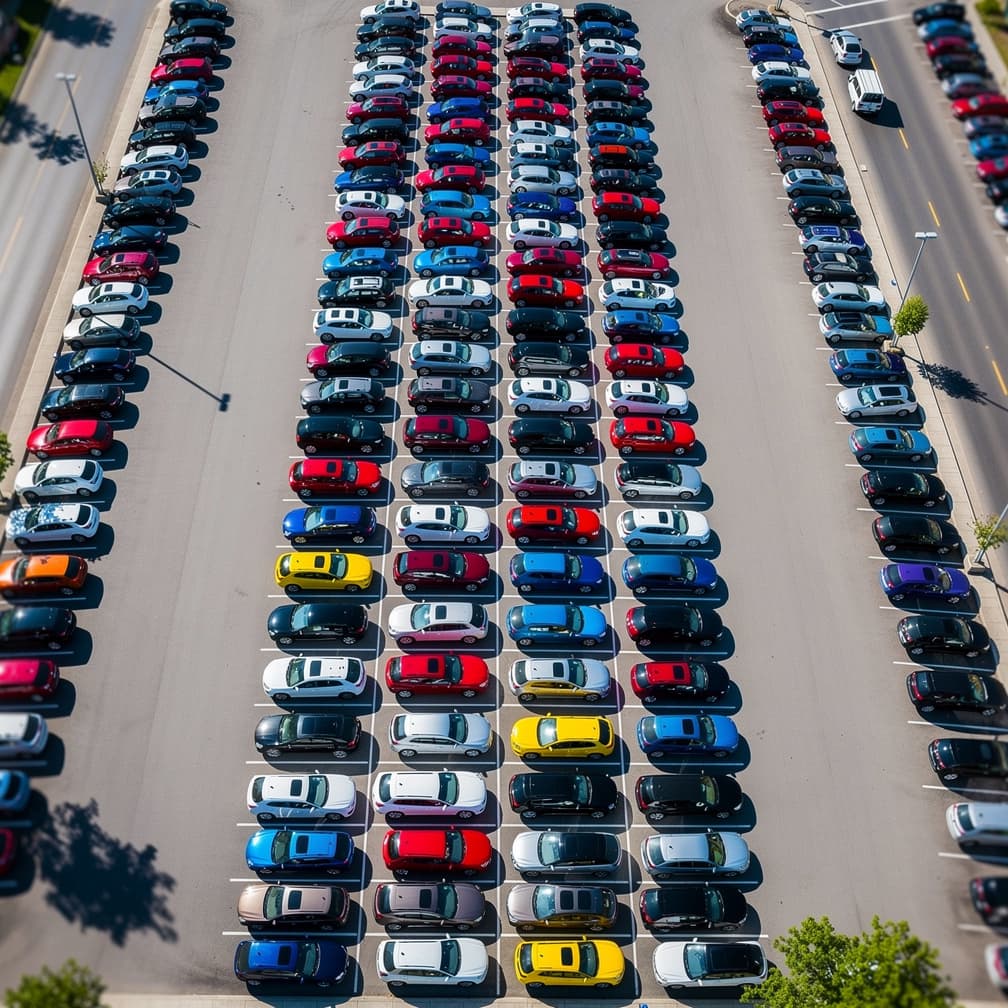
The real question is not whether your lot is protected but where your inventory actually sits during a normal week. Many dealers split units between the main sales lot, a service-adjacent holding area, overflow storage, and temporary locations tied to auctions, reconditioning, or seasonal volume. Your policy should follow the actual path each vehicle takes before sale, not just the address on your license.
You should ask how the form treats vehicles at every scheduled location, and whether newly acquired units are picked up automatically for a limited period while you update records. If you keep some inventory behind another business, at a secondary parcel, or in a shared storage arrangement, make sure those addresses are disclosed and reviewed up front. A claim gets harder fast when the damaged unit was stored somewhere the underwriter never evaluated.
Pennsylvania weather also makes location details more important. If your lot has low spots, older drainage, tree exposure, or tightly packed rows that make emergency movement difficult, ask how those conditions affect deductibles, valuation, and any protective safeguards the carrier expects. The same goes for theft prevention. Key storage, after-hours access, camera retention, and documented lot checks can all matter when a loss is investigated.
If you are comparing forms, endorsements, or claim handling language, keep your policy documents organized and review any state-specific notices before you bind.
Coverage Included

Weather Damage
Covers hail, wind, flood, and storm damage to lot inventory.

Theft Protection
Covers vehicles stolen from your lot.

Fire Damage
Covers fire and explosion damage to inventory vehicles.

Vandalism
Covers intentional damage to vehicles on your lot.
Test Drive Coverage
Covers vehicles during customer and employee test drives.

Transit Coverage
Covers vehicles being moved between lot locations.
What Makes Philadelphia Different
In a market surrounded by other commercial users, a dealer lot is rarely evaluated in isolation. Underwriters tend to look closely at how your inventory is stored relative to neighboring businesses, street exposure, access points, and whether overflow parking creates a gap between what you report and what actually happens after hours. That is why a local dealer with a modest unit count can still need a careful review if vehicles rotate between a sales lot, a service area, and borrowed or short term storage. Health care and social assistance represent 14.8% of area establishments, retail trade accounts for 14.6%, and accommodation and food services make up 13.2%. When restaurants, clinics, and shops sit next to your lot, a customer or delivery driver clipping a parked unit becomes a realistic claim scenario rather than a remote one. Shared parking arrangements can add to that risk. If your operation uses any off-site space, document it clearly and ask how each location is treated before binding coverage.
Our Recommendation for Philadelphia
Start with a site map and an inventory process, not a rough vehicle count. For a local dealer, the most useful quote request shows each address where units are kept, where customer vehicles are separated from owned inventory, how keys are secured, and who updates the stock list when a vehicle is sold, moved, or sent for repair. If your buyer base is price sensitive, that discipline matters even more. Philadelphia's median household income is $60,698, roughly $15,000 below the national figure. Lower local buying power can mean longer holding periods for your inventory, which raises the chance that a unit loses value or takes damage while it waits for a buyer. Stale inventory becomes an underwriting issue if values are not updated to reflect depreciation or reconditioning. Before renewal, review how often you report stock and whether your deductible still fits your cash flow if several vehicles are damaged in one event. The more your quote file mirrors the way you actually operate, the fewer surprises you get at renewal or claim time.
Get Dealer Open Lot Insurance in Philadelphia
Enter your ZIP code to compare dealer open lot insurance rates from carriers in Philadelphia, PA.
Business insurance starting at $25/mo
FAQ
Frequently Asked Questions
Philadelphia dealers are often judged on site control in a denser commercial setting, not just unit count. A stronger submission shows every storage address, how vehicles move between spaces, and how keys, fencing, lighting, and overnight parking are managed.
With nearly 30,000 business establishments in the county, landlords, lenders, and neighboring property users often expect organized proof of coverage and clear location records. That makes accurate address schedules and overflow storage disclosure more important during underwriting.
Philadelphia buyers can be more payment sensitive, and local income levels affect how long vehicles sit before they sell. If units sit longer, review aging inventory values, reporting frequency, and where slower moving vehicles are parked before renewal.
Philadelphia dealers should disclose any borrowed, overflow, or temporary parking space used for owned inventory. If a vehicle is stored at an address not reflected in the quote file, claim handling and valuation questions can become harder after a loss.
Start by organizing a current inventory schedule, all storage addresses, and photos of lot conditions. The more complete your submission, the fewer revisions you face later.
Your policy may help cover vehicles at multiple storage locations, but only if each address and its controls are disclosed clearly during underwriting. If you use overflow parking or offsite storage, ask for those locations to be addressed specifically in the quote.
Underwriters usually want a current vehicle schedule, values, storage addresses, photos of lot conditions, and a summary of how units move between locations. Clear records help you compare terms on deductibles, valuation, and offsite storage instead of revising the application later.
Dealers should list overflow storage whenever inventory is kept there, even if it feels temporary or informal. A damaged or stolen unit is much easier to document when the underwriter already reviewed that address and understood how the site is secured.
Sources
- 1.U.S. Census Bureau, County Business Patterns, Philadelphia County(Philadelphia County has 29,876 business establishments, so buyers, lenders, and neighboring landlords are used to seeing organized proof of coverage before inventory is financed, parked, or shown for sale.; Philadelphia County also has a broad business base, with health care and social assistance at 14.8%, retail trade at 14.6%, and accommodation and food services at 13.2% of establishments, so commercial property competition is constant and shared parking arrangements can create avoidable confusion after a loss.)
- 2.U.S. Census Bureau, ACS 5-Year Estimates, table B19013(Philadelphia median household income is $60,698, so slower turns on certain units can leave vehicles sitting longer and make stale inventory an underwriting issue if values are not updated.)
Updated July 16, 2026