







































Updated July 5, 2026

Inland Marine Insurance in Philadelphia
Space costs change the math first. With Philadelphia median household income at $60,698, many owners try to control monthly overhead tightly, so deductibles can look attractive until a stolen laser level, damaged catering equipment set, or lost shipment has to be replaced out of pocket. Inland marine insurance in Philadelphia works better when you set limits around replacement cost for the property that actually leaves your premises, not just what feels comfortable in the budget. That matters if you rotate tools between rowhouse renovations, move rented equipment across Center City and University City, or send inventory to temporary event or client locations. A lean schedule can leave your most expensive mobile items underinsured, while an overly broad one can price in property you rarely move. Before you request quotes, list the equipment, materials, and stock that travel, note peak values during busy weeks, and decide which losses you could realistically absorb through a deductible without disrupting payroll or the next job.
Inland Marine Insurance Risk Factors in Philadelphia
Philadelphia's top risk factors include Severe weather, Property crime, Flooding, and Vehicle accidents.
Pennsylvania has a moderate climate risk rating. Top hazards: Flooding (High), Winter Storm (High), Severe Storm (Moderate), Tornado (Low). The state's expected annual loss from natural hazards is $1.6B, which influences inland marine insurance premiums and may affect coverage availability in high-risk areas.
What Inland Marine Insurance Covers
Pennsylvania inland marine insurance is designed for business property that is not staying at one fixed location, which is important in a state with high flooding risk, high winter storm risk, and many jobs that move between city blocks, suburbs, and rural counties. It can help cover mobile property when those items are part of a covered policy form. The coverage can apply while property is on the road, at a job site, at a customer location, or in temporary storage, which is a meaningful gap-filler for businesses that outgrow standard commercial property insurance. State regulation is handled by the Pennsylvania Insurance Department, but the state does not set one universal inland marine mandate for every business. Instead, coverage requirements may vary by industry and business size.
That means a contractor in Harrisburg, a manufacturer shipping parts from a warehouse near Pittsburgh, or a service business storing tools offsite may all need different schedules, limits, and endorsements. Exclusions and covered perils depend on the policy, so it is important to confirm how theft, damage, vandalism, and transit exposures are handled for your exact equipment list and locations. Pennsylvania businesses should compare carrier forms carefully because the wording can differ even when the product name is the same.
Coverage Included
Tools & Equipment
Can help repair or replace hand tools, power tools, and gear that are stolen or damaged on the job or in transit.

Goods in Transit
May cover products, materials, and merchandise while they are being shipped or hauled between locations in your care.
Contractors Equipment
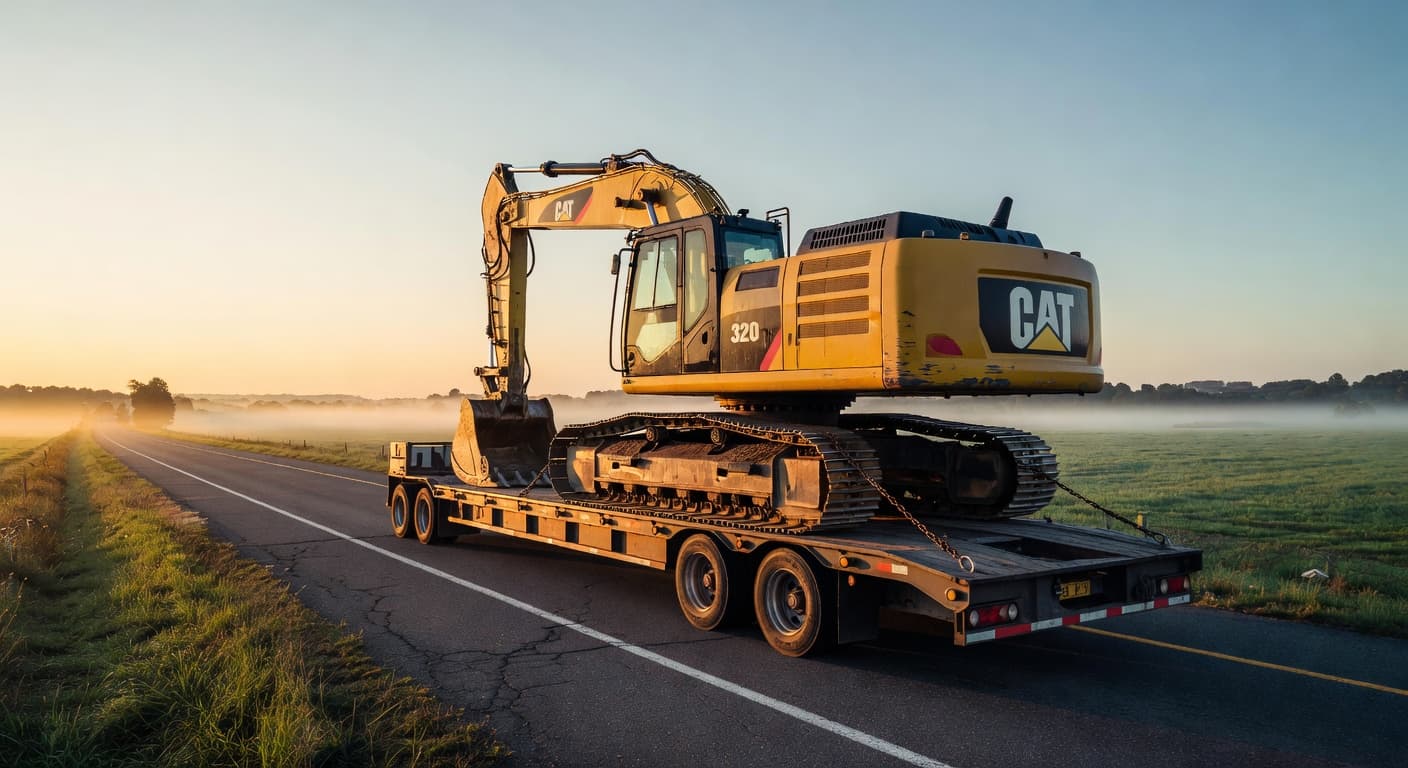
Typically covers heavy machinery like excavators, loaders, and generators against theft or damage at job sites and between them.

Installation Floater
Can help cover materials and fixtures from the moment you buy them until they are installed and accepted at a project.
Builders Risk
May cover a structure under construction, along with materials on site, against damage from fire, wind, theft, and vandalism.
Inland Marine Insurance Cost in Philadelphia
Average Cost in Pennsylvania
$20 - $110
per month
Businesses in Pennsylvania typically see inland marine insurance premiums of $20 - $110 per month, which tends to run 8% above the national range of $20 - $100 per month.
- Total insured value of the scheduled property
- Type and age of the equipment
- Where it is stored and how far it travels
- Jobsite security and theft prevention
- Per-item limits and deductibles
- Prior theft and in-transit losses
Contact CPK Insurance for a personalized quote.
Prices shown are general estimates, not guaranteed rates or quotes. Your actual premium will depend on the insurer, coverage selected, business details, location, claims history, and other underwriting factors. Learn about our pricing methodology.
For Pennsylvania businesses, the average cost runs about $20 to $110 per month, while broader small-business figures show a typical range of $20 to $100 per month, so pricing varies by carrier, limits, and the property you schedule. Pennsylvania premiums are above the national average overall, which reflects a competitive but not low-cost market. Carriers are charging based on real exposure in a state with frequent winter storm events, high flooding risk, and a large base of small businesses. A contractor working across flood-prone counties or moving expensive tools through dense metro areas may see different pricing than a business with lower-value mobile property and fewer transit exposures. The state's 318,600 businesses, 99.6% of which are small businesses, also shape the market because many policies are written for smaller fleets of tools and equipment rather than large industrial schedules, which can work in your favor if your operation fits that profile. If you want a more accurate quote, the carrier will usually want a full inventory, replacement values, storage details, and where the property travels during the year.
Industries & Insurance Needs in Philadelphia
County business mix is the practical clue here. Philadelphia County has 29,876 business establishments, and the largest establishment shares are health care and social assistance at 14.8%, retail trade at 14.6%, and accommodation and food services at 13.2%, so a lot of local buyers depend on mobile property that does not stay at one fixed address all day. That can mean diagnostic devices moving between care settings, inventory traveling to pop ups or secondary storage, or food service equipment and supplies shifting for events and temporary operations. For inland marine, that operating pattern matters more than a generic office profile. If your business touches any of those workflows, ask for a quote built around where property travels, who has custody during transit, and whether you need scheduled items, installation coverage, or broader protection for stock and equipment away from your main location.
What Makes Philadelphia Different
Density is the difference. In a market with a large concentration of business activity, equipment, stock, and materials often move through shared loading areas, tight streets, mixed-use buildings, and temporary storage arrangements instead of staying inside one controlled facility. That changes the inland marine conversation from simple ownership to movement, custody, and handoff. A contractor may leave materials at a renovation site for several days. A retailer may shuttle inventory between a back room, an event space, and a delivery vehicle. A service business may rely on portable gear that earns revenue only when it is on the road. Here, you should review not just what property you own, but where it sits between stops, who signs for it, and when values spike. That is usually where a basic property schedule misses the real exposure and where a more precise inland marine quote becomes worth the effort.
Our Recommendation for Philadelphia
Start with a movement map, not a generic equipment list. Separate property into items that stay put, items that travel daily, and items that sit temporarily at customer sites, job sites, or offsite storage. Then assign realistic replacement values, especially for any single item or kit that would interrupt revenue if it were stolen or damaged. If you operate in sectors common in the county, such as health care, retail, or accommodation and food services, describe the actual handoffs in your workflow because custody gaps often matter as much as the property itself. Ask each quote to clarify whether coverage is written on a scheduled or unscheduled basis, how temporary locations are treated, and whether installation or transit exposures should be added. If budget is tight, raise deductibles carefully, but only after you test whether you could absorb that amount and still replace the property fast enough to keep work moving.
Get Inland Marine Insurance in Philadelphia
Enter your ZIP code to compare inland marine insurance rates from carriers in Philadelphia, PA.
Business insurance starting at $25/mo
FAQ
Frequently Asked Questions
Philadelphia buyers should schedule the property that regularly leaves the main premises or sits at temporary locations, especially items that would stop work if lost. Start with tools, equipment, materials, and inventory that move between jobs, events, or client sites.
Philadelphia County has a large base of business establishments, so many local operations share loading zones, storage arrangements, and delivery routes. That makes movement and custody details worth reviewing before you choose limits, deductibles, and any scheduled property approach.
Philadelphia County's mix includes retail trade at 14.6% and accommodation and food services at 13.2%, so temporary setups are common enough to matter. If your stock or equipment travels, ask how the quote treats property away from your primary address.
Philadelphia County's health care and social assistance sector accounts for 14.8% of establishments, so mobile professional equipment is a real local use case. Review where devices travel, who has custody, and whether any single item needs to be specifically scheduled.
Philadelphia median household income is $60,698, which is a useful reminder to match deductibles to cash flow, not just premium savings. Choose a deductible you could realistically absorb and still replace key mobile property without delaying jobs or deliveries.
It can cover scheduled tools, equipment, and materials while they are in transit, at job sites, in temporary storage, or at customer locations, depending on the carrier form and the items listed on the policy.
It is designed to follow eligible business property away from a fixed location, so offsite storage can be covered if your policy includes that exposure and the storage arrangement fits the carrier's terms.
Contractors, builders, electricians, plumbers, landscapers, photographers, caterers, IT service providers, and businesses that ship or stage property at multiple locations often benefit most.
Sources
- 1.U.S. Census Bureau, ACS 5-Year Estimates, table B19013(Philadelphia median household income is $60,698.)
- 2.U.S. Census Bureau, County Business Patterns, Philadelphia County(Philadelphia County has 29,876 business establishments.; The largest establishment shares in Philadelphia County are health care and social assistance at 14.8%, retail trade at 14.6%, and accommodation and food services at 13.2%.)
Updated July 5, 2026





