Updated July 16, 2026

On-Hook Towing Insurance in Philadelphia
Your drivers work a city built tight. A tow that looks routine on paper can involve narrow rowhouse blocks, alley access, loading zones, hospital entrances, and short repositioning moves where mirrors, bumpers, and low clearances create damage disputes fast. That is why your policy should be quoted around your actual call mix, not just your truck schedule. If you handle recoveries near Center City, private property removals around large retail lots, or vehicle transfers tied to repair shops and medical campuses, ask the agent to separate those operations clearly in the submission. Philadelphia County has 29,876 business establishments, which translates to a constant flow of pickups in commercial lots and vendor traffic where even a small scrape can become a claim. Health care and social assistance makes up 14.8% of those establishments and retail trade 14.6%, so your drivers are frequently backing into spaces where bystanders and security cameras watch every move. Accommodation and food services accounts for another 13.2%, meaning a meaningful slice of your late-night runs involve crowded curbsides with limited room to maneuver. When you request quotes, bring a current truck list along with your radius, storage details, and the kinds of vehicles you move most often.
On-Hook Towing Insurance Risk Factors in Philadelphia
Local on-hook exposure is shaped less by long-distance towing and more by **close-quarters handling**. Here, a claim often starts during hookup, winching, backing, or a short move out of a cramped space rather than on an open highway. That changes what you should review. If your work includes apartment complexes, hospital zones, restaurant corridors, or retail parking enforcement, ask how the policy responds to minor but expensive damage allegations involving fascia, wheels, undercarriage contact, or door and mirror strikes. The county's leading sectors, health care and social assistance at 14.8%, retail trade at 14.6%, and accommodation and food services at 13.2%, point to exactly those environments, so your application should describe where vehicles are picked up and how often drivers operate in congested commercial settings. A vague class description can leave the underwriter guessing. Give examples of your toughest access situations, whether you use dollies or skates, and whether certain calls involve low-clearance garages or tight private lots.
Pennsylvania has a moderate climate risk rating. Top hazards: Flooding (High), Winter Storm (High), Severe Storm (Moderate), Tornado (Low). The state's expected annual loss from natural hazards is $1.6B, which influences on-hook towing insurance premiums and may affect coverage availability in high-risk areas.
What On-Hook Towing Insurance Covers
The state-specific issue is how your operation creates different damage scenarios and how clearly those scenarios are described to underwriting before a loss happens. A truck handling routine roadside tows on local streets presents one profile. A unit that also responds to crash scenes, steep driveways, parking structures, flood-affected areas, or winter recoveries presents another. Your review should spell out those differences in plain operating terms.
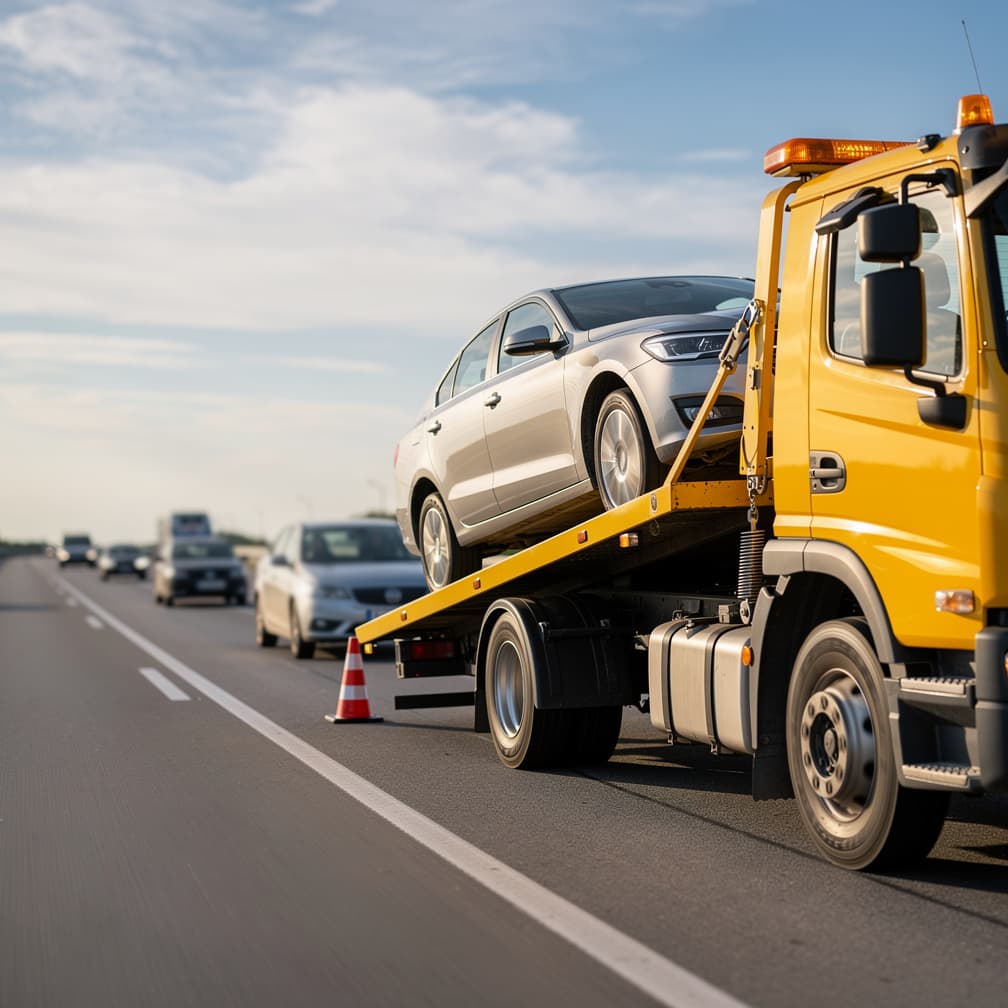
Ask the agent to walk through the exact points where disputes usually start: hookup, winching, bed loading, wheel-lift positioning, transport over rough pavement, unloading, and transfer to a body shop, storage lot, dealer, or customer location. If your drivers use photos, condition checklists, dispatch timestamps, and signed releases, say so. Those details matter because they help show how your business handles customer vehicles before, during, and after the tow.
Route and job type also matter. Harsh weather can change stopping distance, traction, and loading conditions, so your policy review should reflect whether you continue service during those periods and what safeguards drivers follow. If you tow higher-value pickups, commercial vans, all-wheel-drive vehicles, or low-clearance cars, request wording and limits that fit those exposures instead of assuming a prior policy still matches your current book of work.
You should also review how on-hook coverage interacts with the rest of your towing program. If a claim could involve a customer allegation, a police-directed tow, or a handoff to storage, ask where one policy ends and another begins so there is less confusion after a loss.
Coverage Included
Collision on Hook
Covers damage to towed vehicles from collisions during transport.
Comprehensive on Hook
Covers theft, fire, and weather damage to vehicles being towed.
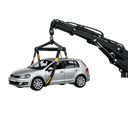
Loading & Unloading
Covers damage during the process of loading and unloading vehicles.
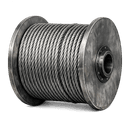
Winching Coverage
Covers damage to vehicles during winching and recovery operations.
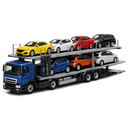
Multiple Vehicle
Covers all vehicles on multi-car carriers and rollback flatbeds.
What Makes Philadelphia Different
Where you tow matters as much as how far. In many parts of the state, the main question is how far you tow and what kinds of vehicles you move. Here, the sharper question is how often your drivers take possession of customer vehicles in spaces where inches matter and bystanders, property managers, or security staff may witness the entire move. The city and county create a steady stream of commercial-property calls, so your review should focus on where damage allegations are most likely to arise, not just how many tows you complete. Separate police rotation, private property impounds, dealer or repair-shop transfers, and roadside work if those exposures differ. When you lay out each environment in plain language, underwriters have fewer reasons to pad the premium for uncertainty and you get a cleaner basis for comparison.
Our Recommendation for Philadelphia
Start with your dispatch records and identify the calls that create the most friction, not just the most revenue. If a large share of your work involves private lots, medical campuses, or dense commercial blocks, tell the agent that upfront and ask for the submission to describe those environments in plain language. Review your maximum value per vehicle, the mix of passenger cars versus heavier units, and whether any jobs involve low-clearance garages, tight turns, or unattended vehicles. If you subcontract overflow work or use different trucks for different call types, note that too. Philadelphia median household income is $60,698, so a dented door or scratched bumper can feel like a serious financial event to the vehicle owner and trigger a loss-of-use dispute. Ask whether your quote assumptions match your hookup methods, storage practices, and after-hours procedures. Before binding, compare how each option treats the kinds of close-quarters incidents your drivers actually face, then request updated proof of coverage for contracts that require it.
Get On-Hook Towing Insurance in Philadelphia
Enter your ZIP code to compare on-hook towing insurance rates from carriers in Philadelphia, PA.
Business insurance starting at $25/mo
FAQ
Frequently Asked Questions
Towing companies often work around commercial lots, loading areas, and tight access points. In the city and county, that means you should describe pickup environments clearly because close-quarters handling can change how an underwriter views your damage exposure.
Operators should disclose that mix. Health care and social assistance makes up 14.8% of establishments in the county and retail trade 14.6%, so a large share of your pickups happen in lots where onlookers and cameras capture every move.
Accommodation and food services accounts for 13.2% of establishments in the county, which means your late-night runs often involve crowded curbsides with little room to work. If your drivers handle those removals, ask each insurer how that operational detail is reflected.
Tow operators should bring a current truck schedule, radius, storage details, dispatch summaries, and examples of difficult pickup environments. The more precisely you describe hookups in tight urban settings, the easier it is to compare quotes on the right assumptions.
Drivers can take insurance complaints to the Pennsylvania Insurance Department. Use that only if a billing, claim, or policy issue cannot be resolved directly, and keep your policy documents, photos, and dispatch records organized before you escalate.
Yes. A new truck may handle different calls, towing methods, or vehicle types than the rest of your fleet. For example, if you add a heavy-duty wrecker to a fleet of light-duty flatbeds, the new unit exposes you to claims your current policy may not address. Update the application before binding so the quote reflects current operations.
Winter conditions can change traction, braking distance, visibility, and loading conditions, so cold-weather operations should be described clearly during underwriting. If your drivers follow special securement or documentation steps in snow or ice, include those procedures in the quote review.
Pennsylvania police tow and impound work can change the underwriting picture because job timing, scene conditions, and dispute potential often differ from routine roadside calls. Tell the agent how often you take those assignments and how vehicles are documented at pickup.
Sources
- 1.U.S. Census Bureau, County Business Patterns, Philadelphia County(Philadelphia County has 29,876 business establishments, so your drivers are more likely to work around commercial lots, vendor traffic, and time-sensitive pickups where a small scrape can turn into a larger claim conversation.; The county's leading sectors, health care and social assistance at 14.8%, retail trade at 14.6%, and accommodation and food services at 13.2%, point to exactly those environments, so your application should describe where vehicles are picked up and how often drivers operate in congested commercial settings.)
- 2.U.S. Census Bureau, ACS 5-Year Estimates, table B19013(Philadelphia median household income is $60,698, so many vehicle owners may be highly sensitive to even modest damage allegations and loss-of-use disputes, and clear documentation matters as much as limits.)
- 3.Pennsylvania Insurance Department(Philadelphia drivers can take insurance complaints to the Pennsylvania Insurance Department.)
Updated July 16, 2026