







































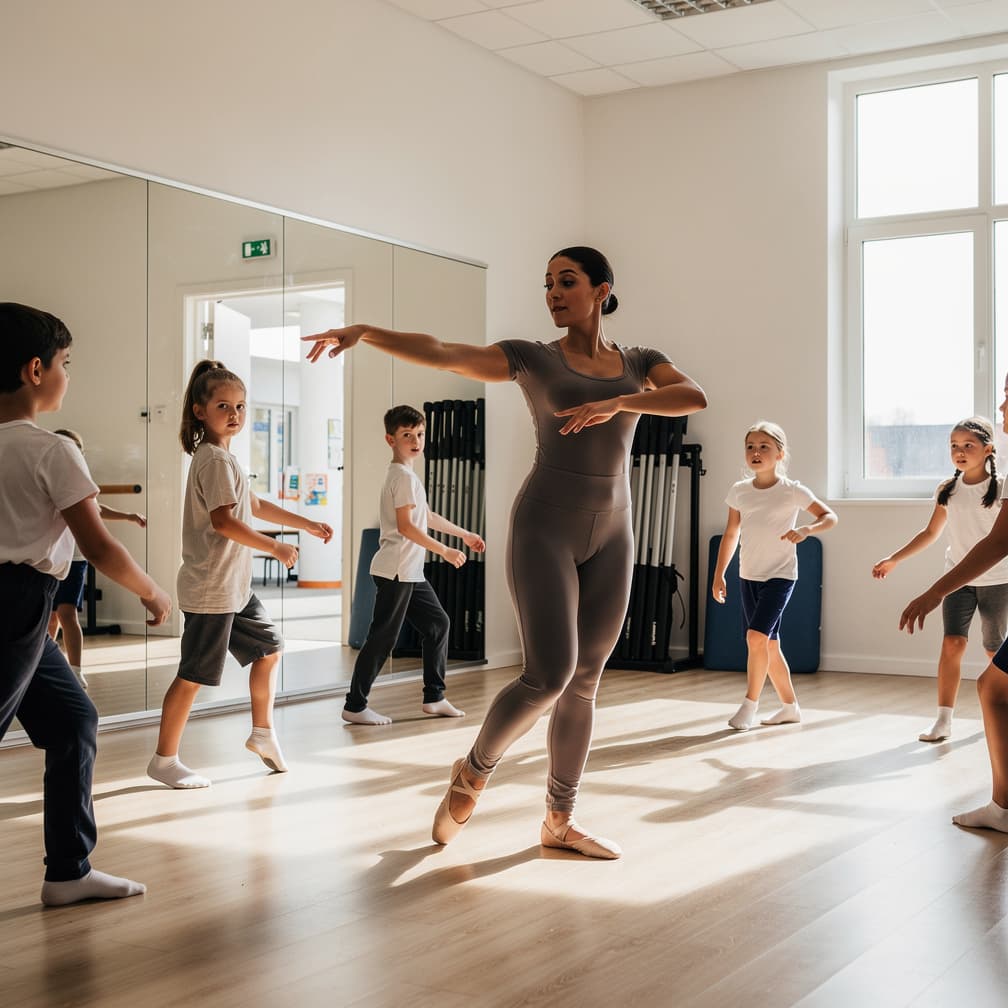

Sound equipment, a marley floor and a wall of mirrors are assets a landlord's building policy was never built to replace. That policy is there for the shell. A burst pipe overhead or a fire in the neighboring unit can soak your flooring and stop classes for weeks, and tuition does not pause while you dry out. Dance studio insurance in Reading is where the replacement cost and the lost class weeks are supposed to live. Property loss is also the exposure owners underprice most often, because they value gear at what they paid instead of what it costs to buy again now. Bring an equipment list and an honest number for a month of tuition. Then see what participating carriers in Pennsylvania put next to it.
What Makes Reading Different
Insurance requirements follow you the moment your classes leave the studio for a community event. A parade, a mall performance, or a school assembly in Reading involves somebody else's premises and rules. The host typically asks for proof, and the request lands after the routine is already choreographed. Where few suitable venues exist nearby, the same host reappears season after season with identical forms. Learn their requirements once and the second year takes an afternoon instead of a panicked week. Keep a folder with every host's wording, limits, and the exact entity name they want listed. Participating carriers in Pennsylvania can issue a certificate quickly when handed exact wording rather than guesses. The work is clerical, and it decides whether you perform or cancel on short notice.
Local Risk Factors in Reading
Flooding reaches a dance studio through the floor, which is the one asset you cannot mop and reuse. Water under a sprung subfloor lifts panels, warps the surface, and breeds mold in a cavity nobody can see, and drying takes days before a rebuild even starts. Classes stop, refunds start, and instructors go find other work. Here is the part owners miss: standard property forms typically exclude flood, and rising water is priced and bought on its own. A studio in Reading sitting at grade should ask that question before a season begins rather than after. Commercial Property may respond to a burst pipe overhead and have nothing at all to say about water that came in through the door in Pennsylvania.
What Coverage Does a Dance Studio in Reading Need?
General Liability
A parent goes down on a wet lobby floor and wants her medical bills handled. That third-party demand is what this line is generally built for: bodily injury and property damage to people who are not your staff. It typically will not answer an allegation that your instruction caused a student's injury, and it is the coverage a landlord or a venue asks to see named on your certificate.
Example: A sibling waiting for pickup trips over a dance bag in the lobby and fractures a wrist. The family sends medical bills, and general liability may respond to the demand and the defense behind it.
Professional Liability
Premises coverage stops at the edge of this exposure. When a family alleges that a correction, a progression, or a placement you taught caused a student's injury, they are challenging professional judgment rather than the condition of your floor. This line is designed for that allegation and for the cost of defending it. It commonly runs on a claims-made basis, so a lapse can reach backward into teaching you already did.
Example: An instructor guides a teen toward a deeper extension, and the family later claims the technique caused a hip injury. Professional liability could pick up the defense of that judgment call.
Commercial Property
Mirrors, barres, the sprung floor, the sound rack, and a closet of costumes are the assets this line is meant for, along with the tenant improvements you paid to install. Sudden and accidental damage is the trigger: fire, a burst pipe, vandalism overnight. Wear on a floor you dance across daily is excluded by design, and flood is typically bought on its own.
Example: Vandals get in overnight, take the speakers, and crack a mirror panel on the way out. Commercial property might answer for the replacement once you document what was in the room.
Business Owners Policy
Where property and liability sit apart as separate purchases, this one packages them together, which is why many small studios start here. Expect the same exposures in a single form: gear and improvements on the property side, third-party injury on the liability side, plus lost income after covered damage. Instruction allegations generally fall outside it, so ask what has to be added.
Example: A fire in the neighboring unit closes your Reading studio for three weeks. A business owners policy can help with the smoke damage and with the tuition weeks the closure took away.
How Much Does Dance Studio Insurance Cost in Reading?
Dance Studio Insurance is a bundle of separate policies, priced separately. The ranges below are typical figures for Reading for each line; a quote prices each one against your own operations.
| Coverage | Typical range | What moves your price |
|---|---|---|
| General Liability Insurance | $65 - $190 per month | Industry and risk classification, annual revenue, number of employees |
| Professional Liability Insurance | $55 - $170 per month | The services you actually perform, annual revenue or billed fees, limit and retention selected |
| Commercial Property Insurance | $70 - $230 per month | Building value and construction type, roof age and condition, fire protection class |
| Business Owners Policy Insurance | $85 - $260 per month | Annual revenue and industry class, building and contents values, square footage and building age |
Prices shown are general estimates, not guaranteed rates or quotes. Your actual premium will depend on the insurer, coverage selected, business details, location, claims history, and other underwriting factors. Learn about our pricing methodology.
What Are the Insurance Requirements for a Dance Studio in Reading?
Workers' comp is generally required once you have your first employee. Pennsylvania generally requires employers to carry workers' compensation at that point. Common exemptions include sole proprietors, general partners, and some agricultural workers. Confirm current thresholds with your state's workers' compensation agency before you hire.
Flood damage is typically excluded from standard policies. Standard commercial property and builders-risk-type policies typically exclude flood damage. Flood exposure varies address by address, so check your premises in FEMA's Flood Map Service Center before deciding; if you sit in a mapped flood zone, a separate policy through the National Flood Insurance Program is the usual starting point.
Where to verify licensing and coverage rules. The Pennsylvania Insurance Department publishes consumer guidance and current insurance requirements for Pennsylvania businesses. When a contract or lease demands specific wording, the Pennsylvania Insurance Department's guidance is the authoritative place to check.
Get Your Dance Studio Quote in Reading
Compare rates from multiple carriers. Free quotes, no obligation.
Operating in Reading
- Mirror walls are glass, mounted to a wall, in a room where people throw themselves around. A cracked panel is a property loss small enough that paying it yourself keeps your file quiet.
- Waivers get signed once at registration and then sit in a drawer for years while the release language ages. Participating carriers in Pennsylvania may ask when the form was last reviewed.
- The heat fails and a room full of dancers cannot safely warm up, so you cancel the evening. An outage without physical damage usually gives a property form nothing at all to respond to.
- A permit office reviewing a public showcase application in Reading wants a certificate number on a form and has no interest in your policy, so a wrong limit stops the event over paperwork rather than over risk.
How to Buy: Advice for Reading Owners
List every discipline you teach, including the ones that run for a single term a year. One aerial class, a partnering unit, or a competitive tumbling program changes how a studio is rated, and leaving it off an application does not make it disappear. It makes the claim arguable. General Liability responds to bodily injury on your premises, and an undisclosed activity is the standard reason that response gets contested. Commercial Property follows the same logic for gear: unlisted equipment is uninsured equipment once a loss gets adjusted. Write the full schedule, value the full inventory, and hand both to everyone you talk to. A studio in Reading that discloses everything gets slower, better answers. That is what you want when you compare quotes from participating carriers in Pennsylvania on identical terms.
FAQ
Dance Studio Insurance in Reading: FAQ
Ask that renter for their own certificate and ask to be named on it, the way your landlord asked you. Their student's injury still starts on your floor, and your policy is the nearest available one when the renter carries nothing. A package policy may not automatically contemplate tenants using your space, so disclose the arrangement. Undisclosed use is the standard reason a response gets contested.
The paperwork itself is usually free while the endorsement standing behind it may not be. Naming an additional insured is a policy change, and some carriers charge for each party added. If a Reading venue asks to be named, that is one endorsement, and four bookings a year is four. Ask each quote how many additional insureds are included and what each extra one costs before you compare prices.
Equipment and fixtures generally sit inside a commercial property form or the property side of a package, listed as business personal property. What matters more than where they live is how they are valued. Replacement cost and actual cash value produce very different checks on a speaker you bought used four years ago. Schedule the gear, value it at what buying it again costs today, and keep the list current.
Lost income coverage generally responds only after covered physical damage, so a cautious closure with no damage may trigger nothing at all. If you shut a Reading studio because roads are impassable and the building itself is fine, the loss usually stays with you. Makeup classes cost instructor hours you never budgeted. Ask where that trigger sits before you buy, then hold cash for the closures falling outside it.
Commonly three to five years, and the answer varies by carrier. Reported and paid are separate facts, and both sit in the file an underwriter reads, so a claim that resolved for nothing can still shape a quote. Ask participating carriers in Pennsylvania how far their questions actually reach. That answer should influence which small losses you report and which you deliberately absorb yourself.
It is a reasonable starting point. A package generally combines property and liability in one form, which is why many small studios begin there. What it usually will not include is the allegation that instruction caused an injury, and that is the exposure most specific to teaching. Ask each quote to itemize what sits inside the package and what has to be bolted on separately.
Sources
- 1.Pennsylvania Insurance Department(Pennsylvania Insurance Department publishes consumer guidance for insurance buyers.)
- 2.FEMA / FloodSmart(Flood coverage is typically purchased separately; FEMA administers the National Flood Insurance Program.)


