Updated July 16, 2026

Dealer Open Lot Insurance in Reading
Reading dealers face a tight balance between lot size, reconditioning spend, and monthly carrying costs. With median household income at $45,599, buyers here are price sensitive. A deductible that looks efficient on paper can become a real cash flow problem after a weather or theft loss. Review your policy with that operating reality in mind. You need limits that match peak inventory values and deductibles your business can actually fund without stalling sales. Before you request quotes, line up a current inventory valuation, every storage location, and the maximum number of vehicles you expect to hold during your strongest buying weeks.
Dealer Open Lot Insurance Risk Factors in Reading
Local lot layout is the practical issue to review here. In this market, dealers often work with constrained urban parcels, mixed commercial corridors, or secondary storage that is less visible than the front line inventory, so the exposure is not only storm damage. It is also how quickly you can prove which units were at which address, who had access, and whether perimeter controls were consistent across every location. Pennsylvania hazard patterns are already addressed on the state page, but the local takeaway is simple: if vehicles sit outside, your **schedule of locations and peak values** needs to stay current as inventory shifts. Ask for coverage to be reviewed against your busiest stocking periods, not an average month. Then confirm how the policy treats temporary overflow, transport between addresses, and newly acquired units, because those are the moments when a straightforward operation can develop an avoidable coverage gap.
Pennsylvania has a moderate climate risk rating. Top hazards: Flooding (High), Winter Storm (High), Severe Storm (Moderate), Tornado (Low). The state's expected annual loss from natural hazards is $1.6B, which influences dealer open lot insurance premiums and may affect coverage availability in high-risk areas.
What Dealer Open Lot Insurance Covers
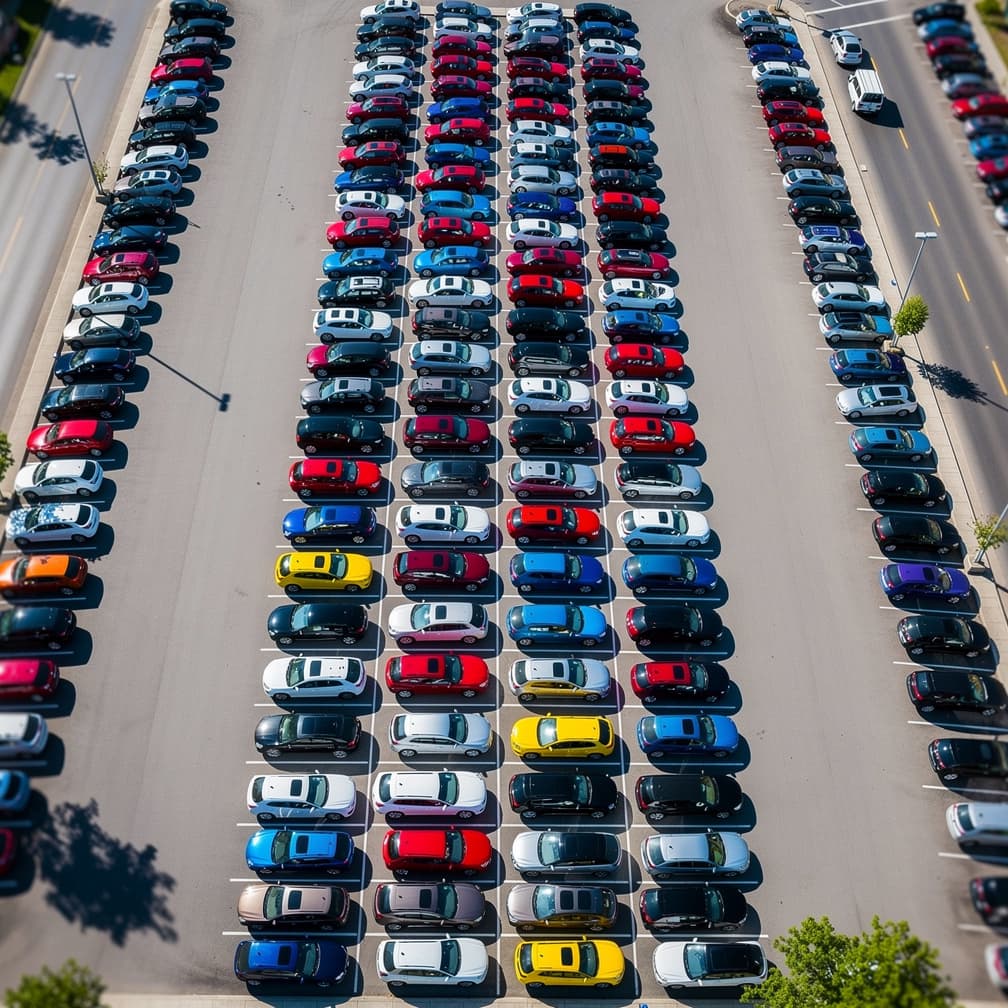
The real question is not whether your lot is protected but where your inventory actually sits during a normal week. Many dealers split units between the main sales lot, a service-adjacent holding area, overflow storage, and temporary locations tied to auctions, reconditioning, or seasonal volume. Your policy should follow the actual path each vehicle takes before sale, not just the address on your license.
You should ask how the form treats vehicles at every scheduled location, and whether newly acquired units are picked up automatically for a limited period while you update records. If you keep some inventory behind another business, at a secondary parcel, or in a shared storage arrangement, make sure those addresses are disclosed and reviewed up front. A claim gets harder fast when the damaged unit was stored somewhere the underwriter never evaluated.
Pennsylvania weather also makes location details more important. If your lot has low spots, older drainage, tree exposure, or tightly packed rows that make emergency movement difficult, ask how those conditions affect deductibles, valuation, and any protective safeguards the carrier expects. The same goes for theft prevention. Key storage, after-hours access, camera retention, and documented lot checks can all matter when a loss is investigated.
If you are comparing forms, endorsements, or claim handling language, keep your policy documents organized and review any state-specific notices before you bind.
Coverage Included

Weather Damage
Covers hail, wind, flood, and storm damage to lot inventory.
Theft Protection
Covers vehicles stolen from your lot.

Fire Damage
Covers fire and explosion damage to inventory vehicles.

Vandalism
Covers intentional damage to vehicles on your lot.

Test Drive Coverage
Covers vehicles during customer and employee test drives.

Transit Coverage
Covers vehicles being moved between lot locations.
What Makes Reading Different
Many independents here sell into a price sensitive market where every repair decision, floorplan turn, and deductible choice affects working capital. A policy review should focus on survivability after a claim. Ask whether your deductible is realistic, whether your limit follows seasonal inventory spikes, and whether lower value units are still being reported accurately enough to avoid disputes. If one bad hail event or overnight theft would force you to delay purchases or pause reconditioning, your current setup deserves a closer look before renewal.
Our Recommendation for Reading
Pull your addresses and your peak inventory file, then scrutinize the parts of the account that are easiest to underestimate locally. If you use any overflow storage, document the exact address, how vehicles are secured, and how often units rotate between locations. When your lot mix includes older vehicles alongside a few higher value pieces, ask for limits and valuation assumptions to be reviewed against the highest total inventory you expect on site, not a rough average. Berks County has 8,510 business establishments, so your storage arrangements likely sit near other commercial uses, landlords, or shared access points that expect clean documentation. Keep photos of fencing, lighting, and gate controls with your quote materials. If your operation sits on a tighter parcel, ask specifically how the policy handles vehicles parked off the main display line, because that is where a simple address list can miss the real exposure.
Get Dealer Open Lot Insurance in Reading
Enter your ZIP code to compare dealer open lot insurance rates from carriers in Reading, PA.
Business insurance starting at $25/mo
FAQ
Frequently Asked Questions
Set a deductible your business can actually absorb without interrupting inventory purchases. In a tighter local market, preserving cash flow after a loss matters as much as the premium, especially if one claim could slow buying or reconditioning.
Assume every regular storage address needs to be disclosed and reviewed. If units move between a frontage lot and secondary storage, list each location, security controls, and peak vehicle counts before binding coverage.
Berks County has 8,510 business establishments, so your lot likely borders retail shops, service businesses, or medical offices with their own parking and access expectations. That makes clean address records, site photos, and documented lot controls more important when you request terms.
Berks County business mix includes Other services at 13.1%, Retail trade at 12.9%, and Health care and social assistance at 11.3%. Those sectors tend to cluster along the same commercial corridors where dealer lots operate, meaning your neighbors likely include retail shops, service businesses, and medical offices with their own parking and access expectations.
Start by organizing a current inventory schedule, all storage addresses, and photos of lot conditions. The more complete your submission, the fewer revisions you face later.
Your policy may help cover vehicles at multiple storage locations, but only if each address and its controls are disclosed clearly during underwriting. If you use overflow parking or offsite storage, ask for those locations to be addressed specifically in the quote.
Underwriters usually want a current vehicle schedule, values, storage addresses, photos of lot conditions, and a summary of how units move between locations. Clear records help you compare terms on deductibles, valuation, and offsite storage instead of revising the application later.
Dealers should list overflow storage whenever inventory is kept there, even if it feels temporary or informal. A damaged or stolen unit is much easier to document when the underwriter already reviewed that address and understood how the site is secured.
Sources
- 1.U.S. Census Bureau, ACS 5-Year Estimates, table B19013(Reading median household income is $45,599.)
- 2.U.S. Census Bureau, County Business Patterns, Berks County(Berks County has 8,510 business establishments.; Berks County business mix includes Other services (except public administration) at 13.1%, Retail trade at 12.9%, and Health care and social assistance at 11.3%.)
Updated July 16, 2026