







































Updated July 16, 2026

Car Insurance in Cranston
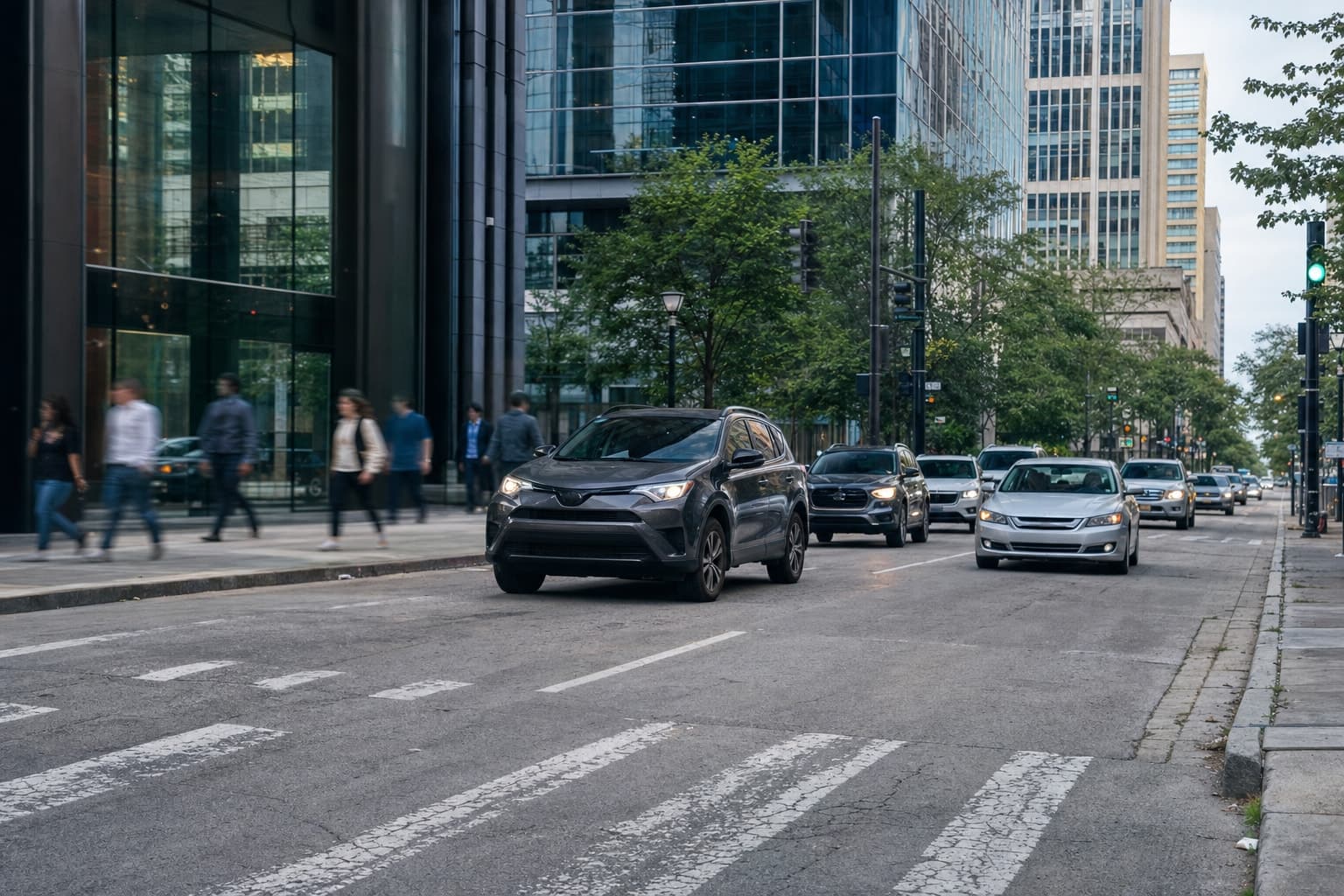
Cranston sits in Providence County, where retail trade, construction, and health care each account for roughly 11.5% of business establishments. Your driving week likely involves store parking lots, supply runs, jobsite travel, medical appointments, and shift changes rather than a simple office commute. If your routine includes Chapel View errands, Reservoir Avenue traffic, or repeated trips toward Providence for work, your quote should reflect how your car is actually used, where it is parked, and who drives it. Personal vehicles here often share the road with delivery vans, contractor pickups, and service fleets. Frequent proximity to commercial traffic can translate into more low speed collisions and parking lot incidents, which may warrant a closer look at your collision deductible. Your annual mileage, daily routes, garaging address, and whether your vehicle is ever used for work tasks can all change which coverages and deductibles make sense.
Rhode Island has a moderate climate risk rating. Top hazards: Hurricane (High), Flooding (High), Nor'easter (Moderate), Coastal Erosion (Moderate). The state's expected annual loss from natural hazards is $160M, which influences car insurance premiums and may affect coverage availability in high-risk areas.
What Car Insurance Covers
Car insurance in Rhode Island is built around liability, collision, comprehensive, uninsured motorist, medical payments, and rental reimbursement options, and each part serves a different local need. Liability coverage may pay for injuries or damage you cause to others in an auto accident. Collision coverage is for repairs to your own vehicle after a crash. Comprehensive coverage matters in Rhode Island because the state's climate risk profile includes hurricanes, flooding, nor'easters, and coastal erosion, which can all create non-collision losses that many drivers want to plan for.
Uninsured motorist coverage deserves attention here because roughly one in eleven drivers on the road may not be able to pay after a loss. Medical payments coverage may assist with medical expenses after an accident, and rental reimbursement coverage may keep you mobile while your car is being repaired. The Rhode Island Department of Business Regulation oversees insurance, so policy terms, limits, and endorsements should be reviewed carefully before you bind coverage. Deductibles also matter: a higher deductible can lower the premium, but it increases what you pay out of pocket after a claim.
Coverage Included

Liability
Can help pay for injuries and property damage you cause to others in an accident, coverage most states require drivers to carry.

Collision
Can help pay to repair or replace your car after a crash with another vehicle or object, regardless of fault.

Comprehensive
Typically covers damage to your car from events other than collisions, such as theft, hail, fire, flooding, or hitting an animal.

Uninsured Motorist
May pay for your injuries and, in some states, car damage when an at-fault driver has no insurance or too little.

Medical Payments
Can help cover medical bills for you and your passengers after an accident, no matter who was at fault.
Rental Reimbursement
May pay for a rental car while your vehicle is in the shop for repairs after a covered claim.
Car Insurance Cost in Cranston
Average Cost in Rhode Island
$120 - $280
per month
In Rhode Island, car insurance premiums typically run $120 - $280 per month, which tends to run 18% above the national range of $110 - $230 per month.
- Driving record and age
- Vehicle make, model, and year
- Location and commute distance
- Credit-based insurance score
- Coverage limits and deductibles
Contact CPK Insurance for a personalized quote.
Prices shown are general estimates, not guaranteed rates or quotes. Your actual premium will depend on the insurer, coverage selected, personal details, location, claims history, and other underwriting factors. Learn about our pricing methodology.
The average premium range in Rhode Island is $120 to $280 per month, and the state's premium index of 128 suggests pricing is higher than the national baseline. Coverage limits and deductibles are major drivers, so a policy with stronger liability limits, lower deductibles, or added rental reimbursement may price differently than a bare-bones option. Claims history also matters, especially in a state where traffic density and weather exposure increase the likelihood of accidents on local roads. Even a single at-fault incident can have a real financial impact.
Location is another important factor. Drivers in denser areas such as Providence may see different pricing than drivers in less congested parts of the state because traffic patterns, parking exposure, and loss frequency vary. Rhode Island has many active insurance companies competing for business, which gives shoppers more room to compare quotes across carriers. The biggest levers on price are usually your deductible, the liability limits you choose, your claims history, and whether you add collision, comprehensive, uninsured motorist, or medical payments coverage.
What Makes Cranston Different
The biggest local difference is trip pattern. Many drivers here are not dealing with one predictable commute, but a steady mix of errands, school runs, retail corridors, medical offices, and short work related trips across a dense county economy. Your exposure is shaped by frequent interactions with commercial traffic, customer parking areas, and busy connector roads rather than long rural stretches. A policy review can look closely at where low speed claims happen, how often your car is parked away from home, and whether another household member uses the vehicle during the day. If your car supports construction visits, retail management, caregiving, or health care scheduling, disclosing that use during quoting can help your policy reflect real use. The aim is liability limits, deductibles, and optional protections that fit how your vehicle actually moves through local traffic most days.
Our Recommendation for Cranston
If your car is used for supply pickups, client visits, or rotating shifts, disclosing that before you bind coverage can help your policy reflect real use, not an idealized commute. From there, think about where claims are most likely for you. If you spend more time in parking lots and commercial corridors than on open highway, you might ask how different deductibles could change your out of pocket cost after a minor collision or backing loss. Cranston's median household income is $87,716, meaning a typical household here may have enough budget flexibility to absorb a higher deductible without major disruption. The right balance still depends on what you could comfortably pay after a claim. Small rating details can matter when your routine includes frequent short trips, shared household driving, or regular travel into nearby business districts.
Get Car Insurance in Cranston
Enter your ZIP code to compare car insurance rates from carriers in Cranston, RI.
Car insurance starting at $59/mo
FAQ
Frequently Asked Questions
Cranston drivers often share the road with retail, contractor, and health care traffic from across Providence County. It is worth reviewing your mileage, parking habits, and whether your car is ever used for work related errands.
Your quote should reflect how you actually use the car. If your week includes supply runs, school pickups, medical visits, or repeated trips into nearby commercial areas, disclosing that use can help your policy reflect real driving patterns and not just an assumed commute.
Households should weigh deductibles against what they could comfortably pay after a claim. With local median household income at $87,716, some drivers may prefer higher liability limits or a deductible change, but the right choice depends on savings and vehicle value.
Providence County's leading sectors are retail trade at 11.7%, construction at 11.5%, and health care and social assistance at 11.3%, meaning roughly one in three local businesses draws daily commercial traffic onto the same roads you drive. More parking lot activity and service vehicles on the road can mean a greater chance of minor collisions, which may affect the coverages worth reviewing.
Your policy is built from several parts that each serve a different purpose. Liability coverage may pay for injuries or damage you cause to others. Collision coverage may repair your own vehicle after a crash. Medical payments coverage can assist with medical expenses for you or your passengers. If you drive in Providence or other busy cities, many shoppers also review uninsured motorist and rental reimbursement coverage so the policy fits local accident and repair realities.
Rhode Island insurance is regulated by the Department of Business Regulation, and the state sets specific coverage minimums. For personal auto coverage, requirements can vary by policy structure and situation, so it is important to confirm the details of your policy with a licensed agent or carrier.
The average premium range is $120 to $280 per month, and the premium index of 128 means pricing runs higher than the national baseline. Your final price depends on coverage limits, deductibles, claims history, location, and whether you add collision, comprehensive, uninsured motorist, or rental reimbursement coverage.
Many Rhode Island drivers review all three because each one serves a different purpose. Liability addresses injuries or damage you cause to others, collision may help with your own vehicle after a crash, and comprehensive is relevant in a state with hurricanes, flooding, nor'easters, and coastal erosion risk.
Sources
- 1.U.S. Census Bureau, County Business Patterns, Providence County(Retail trade, construction, and health care are the largest establishment sectors in Providence County, where Cranston sits, at 11.7%, 11.5%, and 11.3% of establishments.)
- 2.U.S. Census Bureau, ACS 5-Year Estimates, table B19013(Cranston's median household income is $87,716, so many households have room to choose higher liability limits or adjust deductibles to protect savings, but the right balance depends on what you could comfortably absorb after a claim.)
Updated July 16, 2026





