Updated July 16, 2026

Dealer Open Lot Insurance in Cranston
Cranston's operating picture starts with the value tied up in each sale and each parking space. With median household income at $87,716, many local buyers shop later-model vehicles and expect cleaner inventory. That income level means your inventory likely skews newer and pricier than it would in a lower-income market. If one weather event, theft loss, or line of damaged units hits higher-value stock, a deductible that looked manageable on paper can force you to absorb more than you planned.
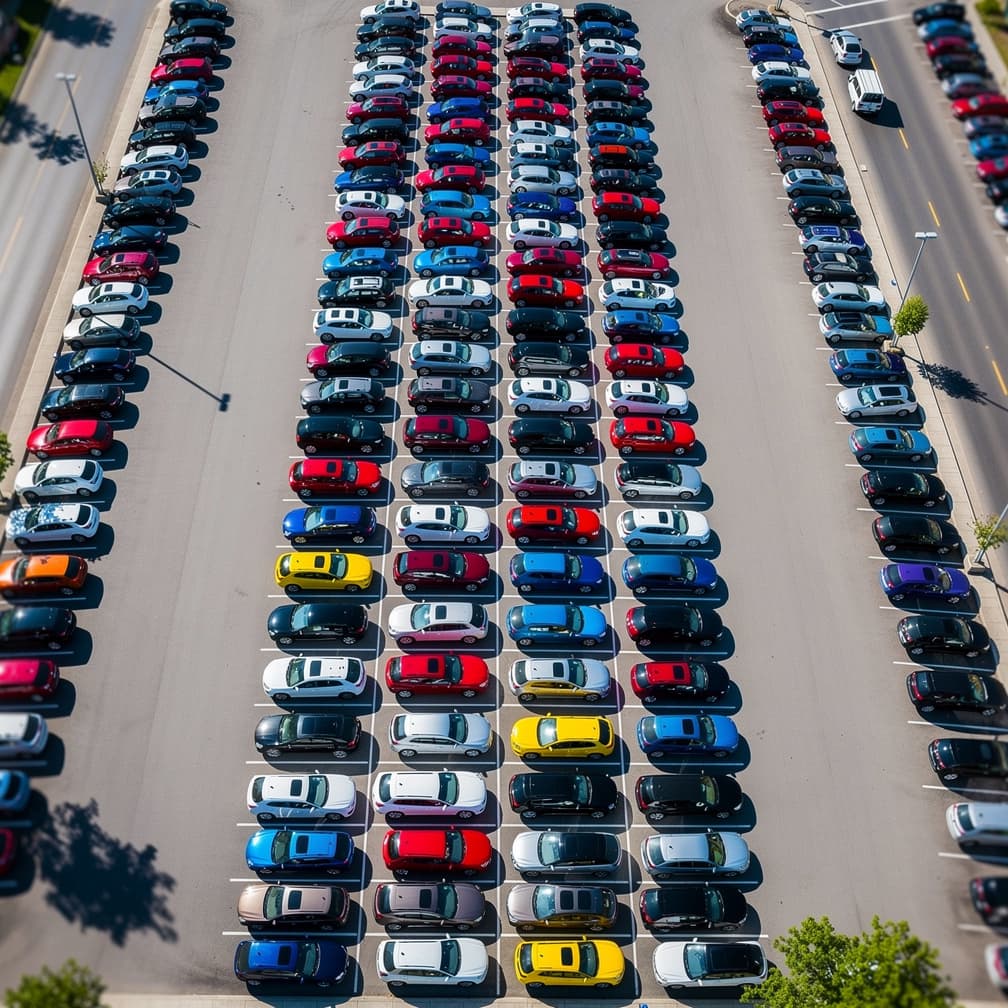
This matters even more if you rotate vehicles between a front line, overflow parking, and service-area staging during the week. How much value sits in the most exposed row on a given day and whether your reporting keeps up with that movement is what determines whether a loss stays manageable. Sort your inventory by highest-value units, note every place vehicles are parked after hours, and decide which deductible you could actually fund without disrupting reconditioning or payroll.
Dealer Open Lot Insurance Risk Factors in Cranston
Cranston's top risk factors include Flooding, Hurricane damage, Coastal storm surge, and Wind damage.
Rhode Island has a moderate climate risk rating. Top hazards: Hurricane (High), Flooding (High), Nor'easter (Moderate), Coastal Erosion (Moderate). The state's expected annual loss from natural hazards is $160M, which influences dealer open lot insurance premiums and may affect coverage availability in high-risk areas.
What Dealer Open Lot Insurance Covers
A dealership in this state may keep sale units on the front line, stack overflow inventory at a secondary address, hold fresh auction purchases temporarily, or move vehicles through service and detail areas before they are retail-ready.
You should ask how the policy treats inventory at every declared location, not just the main lot address on your application. If you use nearby overflow parking, seasonal storage, or a separate reconditioning site, make sure those addresses are disclosed and reviewed. A claim gets harder to sort out when a damaged or stolen unit was sitting somewhere the underwriter never evaluated.
It also helps to review how the policy responds to common lot-level problems that are easy to overlook operationally. Water collecting in low-lying areas of the property, wind-driven debris, vandalism after hours, theft tied to weak key control, and damage while units are being repositioned around the premises all deserve attention. If your dealership is near the coast or in an area where weather shifts quickly, ask whether your current limit still matches peak inventory values during heavier buying periods.
Rhode Island is regulated by the Rhode Island Department of Business Regulation. That means any policy form or endorsement you review has been filed and approved under state rules, so if a term is unclear, you can ask the carrier to explain it in plain language and check it against Rhode Island requirements rather than assuming it works the same way it would in another state. Before binding, match the covered locations, valuation method, deductibles, and reporting expectations to how your lot actually runs day-to-day.
Coverage Included

Weather Damage
Covers hail, wind, flood, and storm damage to lot inventory.
Theft Protection
Covers vehicles stolen from your lot.
Fire Damage
Covers fire and explosion damage to inventory vehicles.

Vandalism
Covers intentional damage to vehicles on your lot.
Test Drive Coverage
Covers vehicles during customer and employee test drives.

Transit Coverage
Covers vehicles being moved between lot locations.
What Makes Cranston Different
In this market, you may carry a mix that leans harder toward newer or better-equipped units. That changes how a loss lands on your balance sheet. A single storm or theft hitting a row of premium units can exhaust a limit that was set when your average vehicle cost less, leaving you to absorb the difference.
This is also a county business environment with 16,439 establishments. That many businesses sharing roads and parking means more vendor trucks and customer traffic near your inventory every day. Keeping an accurate address list, updating values as inventory changes, and matching your deductible to your actual cash reserves will separate a clean claim from a painful one. These habits matter more than the size of the city around you.
Our Recommendation for Cranston
Start with your highest-value ten to twenty units and check whether your current limit would absorb a single hail or vandalism event across that group. If not, look at options that address concentrated value instead of assuming the lowest deductible solves the problem.
Next, map where vehicles sit at close of business, including overflow rows, service staging, and any temporary offsite parking you use during busy periods. Providence County's industry mix includes retail trade at 11.7%, construction at 11.5%, and health care and social assistance at 11.3%. Retail and construction operations draw delivery trucks and contractor vehicles that crowd neighboring lots during business hours, which raises the odds of minor impact damage to your stored inventory. That is a cue to tighten your address list and after-hours procedures, not to guess.
Finally, bring a current unit schedule with values, photos, and notes on any movement between locations. A complete picture helps the underwriter see where your real exposure sits and quote accordingly. Request a free quote once you have that documentation organized.
Get Dealer Open Lot Insurance in Cranston
Enter your ZIP code to compare dealer open lot insurance rates from carriers in Cranston, RI.
Business insurance starting at $25/mo
FAQ
Frequently Asked Questions
Cranston dealers often should review limits when their mix shifts toward higher-value units. A stronger local market for later-model inventory can make a low per-unit assumption more expensive after one multi-vehicle loss.
It can, especially if vehicles spend nights away from the main lot or in less controlled areas. Underwriters want to know exactly where cars sit after hours, how often they move between sites, and what security exists at each location. A lot that parks inventory at three addresses but only discloses one may face a coverage gap or a denied claim at the undisclosed location.
With 16,439 business establishments in the county, many dealers operate near busy commercial properties, shared access points, and steady vendor traffic. Neighboring businesses fill their own lots during peak hours, which can spill into your rows and create damage risk you did not underwrite. That makes it worth reviewing where vehicles are parked after hours and whether temporary storage has been disclosed.
Providence County is led by retail trade at 11.7%, construction at 11.5%, and health care and social assistance at 11.3%. Retail and construction businesses in particular receive regular deliveries and contractor traffic that can crowd adjacent lots and increase the chance of minor impact damage to stored vehicles. For a Cranston dealer, that is a practical reason to document overflow parking and lot movement carefully.
Yes. Separate locations can create separate underwriting questions, and undisclosed storage points can complicate a claim review later. Even a nearby overflow lot used only occasionally should appear on your application so the carrier can evaluate it properly.
Lots near the coast should be reviewed for wind exposure, drainage, and where higher-value units are parked overnight. Those property details can affect deductibles, limits, and how an underwriter evaluates preventable weather-related loss.
The Rhode Island Department of Business Regulation oversees insurance in the state. If you have a concern about a policy form, a licensing issue, or how an endorsement is worded, that is the agency to contact.
Often yes, but only if the overflow location is disclosed and reviewed in the quote process. Do not assume a nearby parcel is automatically treated as part of the main lot just because it is operationally convenient.
Sources
- 1.U.S. Census Bureau, ACS 5-Year Estimates, table B19013(With median household income at $87,716, many local buyers shop later-model vehicles and expect cleaner inventory, so dealer open lot insurance often deserves a closer look at per-unit limits, not just a broad total lot cap.)
- 2.U.S. Census Bureau, County Business Patterns, Providence County(This is also a county business environment with 16,439 establishments, so parking pressure, vendor traffic, and shared commercial corridors can make overflow arrangements feel routine even when they create avoidable insurance questions.; In Providence County, retail trade accounts for 11.7% of establishments, construction 11.5%, and health care and social assistance 11.3%, so commercial corridors stay active and shared parking arrangements are common enough that informal storage habits can creep in.)
Updated July 16, 2026