Updated July 16, 2026

Key Takeaways
- List every way customer vehicles enter, move through, and stay on your premises before you request a garage keepers quote.
- Compare collision losses against theft, fire, vandalism, and weather losses so your quote matches your actual custody exposure.
- Ask how customer vehicles are valued after a loss, especially if you handle newer, specialty, or recently upgraded vehicles.
- Review key control, intake photos, lot security, and employee driving rules before renewal to improve both pricing and claim defensibility.
- Request side-by-side quotes with the same limits, deductibles, and storage assumptions so you can spot real coverage differences.
Garage Keepers Insurance in Rhode Island
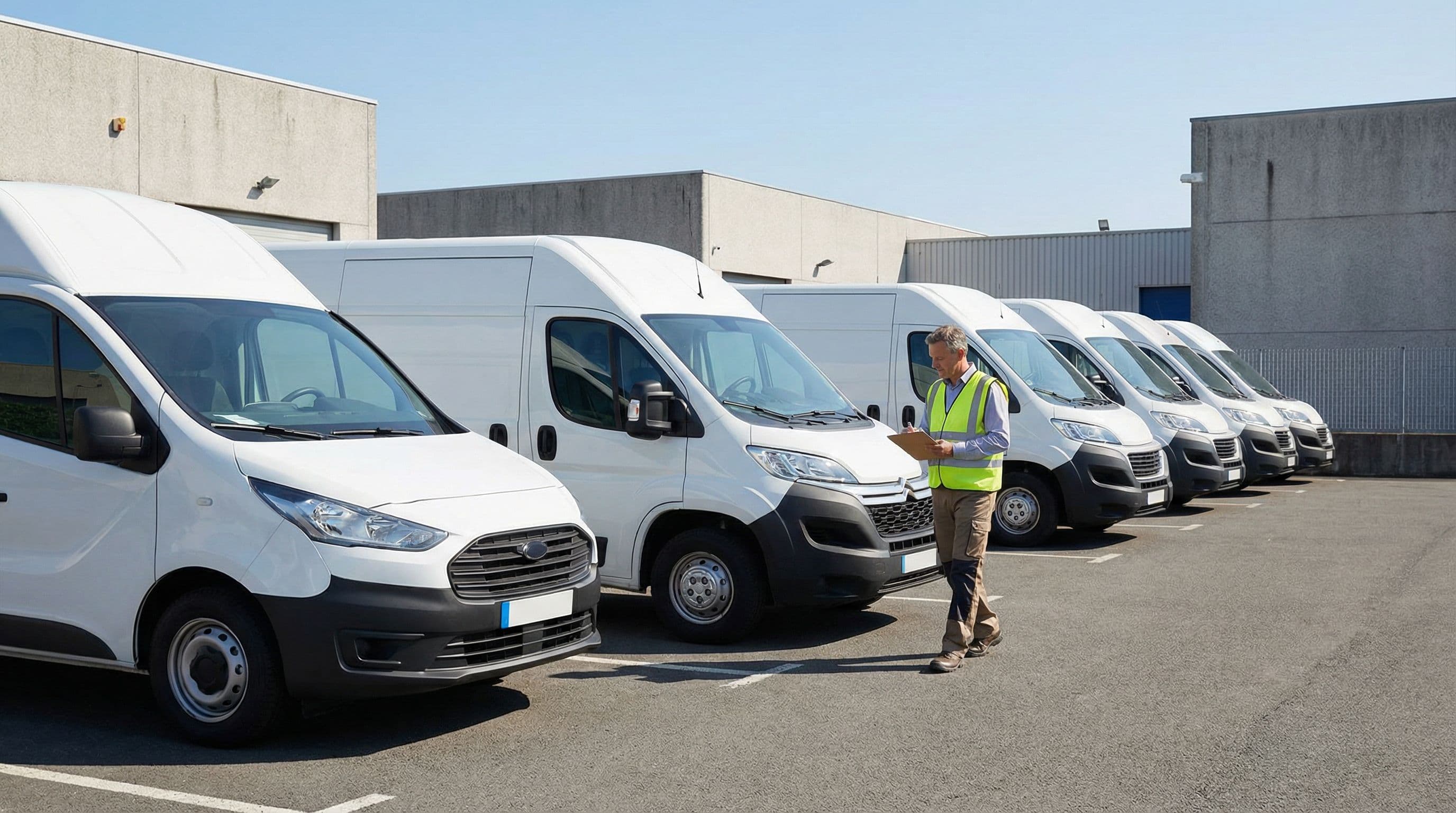
The biggest price driver for this coverage is usually where and how you store customer vehicles between intake, repair, and pickup. A shop that keeps cars outside overnight, stages them in a tight lot, or leaves keys on site presents a different underwriting picture than a service operation with controlled indoor storage and documented key control. That is why shopping for this policy works best when you lead with your actual storage setup, not just your business type.
Weather and coastal conditions can change how long vehicles sit waiting for repair parts or customer collection. Your quote should match your real custody patterns. If you run a repair shop, body shop, dealership service lane, towing yard, or valet operation, build your quote around maximum vehicles on premises, storage location, after-hours procedures, and who can move customer cars. Keep your policy review tied to state requirements and your day-to-day lot controls before you bind coverage.
What Garage Keepers Insurance Covers
If customer vehicles stay on your premises overnight, sit outside while waiting for parts, or move through a crowded service lane, you may want to review the situations most likely to create a claim and how your insurer evaluates them.
Start with vehicle handling. If advisors, porters, technicians, tow operators, or detail staff all move customer cars, ask how the policy responds to damage during parking, repositioning, loading, unloading, or storage. A small scratch claim and a major collision inside your lot can both start with the same weak handoff procedure. You should also review whether your operation creates concentration risk, especially if many customer vehicles are parked close together during busy periods or after hours.
Next, look at where vehicles wait. Indoor storage, fenced outdoor areas, key security, camera placement, lighting, and documented closing procedures all matter because they affect both loss frequency and claim defensibility. If your business keeps high-value vehicles, modified vehicles, or cars waiting on supplements for body work, tell the underwriter that up front so limits and deductibles are reviewed against the actual values on site. Buyers should also pay attention to policy wording around unattended vehicles, employee access, and temporary storage arrangements. If you use overflow parking, shared lots, or off-site storage during peak periods, bring that into the application so the custody points are contemplated before you purchase.

Collision Coverage
Covers damage to customers' vehicles from collisions while in your care.

Comprehensive Coverage
Covers theft, vandalism, fire, and weather damage to customers' vehicles.
Specified Perils
Covers only specifically named perils at a lower premium.

Legal Liability
Covers damage you or your employees directly cause to a customer's vehicle.

Direct Primary
Pays regardless of fault, the broadest garage keepers coverage available.
Garage Keepers Insurance Requirements in Rhode Island
- Rhode Island's coastal weather can bring storm surge and salt air exposure that compounds vehicle damage risk, so check whether your policy addresses weather-related loss differently for outdoor storage near the coast.
- Urban lots in Providence or Newport may face tighter spacing and shared parking arrangements than suburban locations, so disclose your exact layout early so the quote reflects real vehicle concentration.
- State regulation of towing and impound operations includes specific notice and lien requirements, so if you hold vehicles for legal reasons, confirm your policy covers the extended custody time those rules can create.
- If your operation mixes repair, detailing, towing, or valet work, Rhode Island's seasonal tourism swings can create peak periods where custody volume changes dramatically, so separate each workflow and note seasonal volume shifts for the underwriter.
How Much Does Garage Keepers Insurance Cost in Rhode Island?
Pricing usually turns on operational detail more than a broad state average, so the most useful way to shop is to present a clean, specific risk profile. Underwriters want to know how many customer vehicles you hold at one time, where they are parked, who can access them, and how often employees move them. If your answers are vague, pricing often gets less favorable. An underwriter who cannot tell whether you park five cars or fifty outside overnight may default to the riskier assumption, which can push your premium up.
Storage is often the first cost lever. Indoor storage can be viewed differently from open-lot storage because the loss scenarios are different. A fenced lot with controlled gates, documented key control, and camera coverage tells a different story than a crowded yard where vehicles are left in multiple rows and moved frequently to reach the next unit. If your business has seasonal swings, explain your peak inventory periods so limits are not set too low for your busiest weeks.
Claims history also matters, but so does the story behind it. A prior backing loss, theft allegation, weather-related incident, or customer dispute over pre-existing damage can affect pricing differently depending on what controls you added afterward. Bring photos of your lot, your intake checklist, your key procedures, and any after-hours protocol to the quote process. That gives the underwriter something concrete to evaluate. You should also ask whether your quote assumptions match your real operation if vehicles are left waiting for parts or customer collection. The best cost move is not chasing a bare minimum premium but making sure the quoted terms fit your actual vehicle count, storage pattern, and loss controls.
Request a Quote Comparison
Enter your ZIP code to compare garage keepers insurance rates from top carriers.
Business insurance starting at $25/mo
Who Needs Garage Keepers Insurance?
Businesses should think about this coverage based on custody, not on whether they see themselves as a traditional repair garage. If customers hand you keys and expect you to safeguard the vehicle while it is parked, serviced, cleaned, stored, or queued for pickup, this exposure is already part of your operation.
It is just as important for businesses that create temporary custody in less obvious ways. A detail shop that keeps vehicles overnight, a valet company that parks cars off-site during an event, or a dealership that stages customer units in overflow areas can all create the same core risk. When something goes wrong, the customer looks to you as the party responsible for the vehicle.
Buyers should pay special attention if their lot is tight, shared, or exposed to changing weather conditions that affect where vehicles are parked from one day to the next. If your team regularly shuffles cars to open bays, moves vehicles after hours, or stores units outside because indoor space fills up, your need for a careful review increases. The same is true if you accept vehicles outside normal business hours through a key drop or tow intake process, because documentation gaps often show up after a loss. A useful test is operational, not legal. Ask yourself whether a customer can point to your business as the party responsible for where the vehicle was, who had the keys, and what happened during the time it stayed with you.
Garage Keepers Insurance by City in Rhode Island
Garage Keepers Insurance rates and coverage options can vary across Rhode Island. Select your city below for localized information:
How to Buy Garage Keepers Insurance
Buying this coverage starts with a site-level review, not a quick application. Before you request quotes, document how a customer vehicle enters your operation, where it is parked first, who can move it, where the keys go, whether it is ever left outside overnight, and what happens if pickup is delayed. Those details shape both eligibility and pricing.
Next, prepare a clear vehicle custody profile. List your normal and peak number of customer vehicles on premises, identify indoor and outdoor storage areas, and note any overflow or off-site parking you use. If your business includes towing, valet, detailing, or dealership service, separate those workflows so the underwriter can see where exposures differ. A mixed operation often gets a better review when each custody pattern is explained instead of bundled into one vague description.
You should also assemble your loss-control documents before shopping. That includes intake photos, pre-existing damage checklists, key sign-out procedures, camera coverage notes, employee driver rules, and after-hours security steps. If you have had prior claims or customer disputes, be ready to explain what changed afterward. Underwriters respond better to a corrected process than to a short answer with no context. As you compare quotes, do not stop at the premium. Ask how the policy treats outdoor storage, unattended vehicles, employee movement of customer cars, and any temporary overflow arrangement. If a policy term or insurer practice is unclear, ask for the exact form language and keep your review tied to the state insurance framework.
How to Save on Garage Keepers Insurance
The strongest way to lower costs is to reduce ambiguity around where customer vehicles are, who can access them, and how you document condition at intake and release. Carriers price uncertainty, and many avoidable claims become expensive because the file lacks a clean timeline.
Intake discipline sets the foundation. Photograph each vehicle when it arrives, note existing damage, record mileage when relevant, and document where the keys are stored. If a customer drops a vehicle after hours, use a consistent process for key envelopes, camera coverage, and next-morning check-in. That helps defend against disputes about when damage occurred and can make your operation easier to underwrite.
Movement controls matter just as much. Limit who can move customer vehicles, keep a written rule for road tests and lot transfers, and separate employee vehicles from customer parking areas. If your lot gets crowded, create a staging plan instead of double-parking units wherever space opens up. A predictable parking pattern can reduce backing losses, key confusion, and delays when a vehicle needs to be located quickly.
Security improvements carry weight, especially if you store vehicles outside or hold them overnight. Review lighting, fencing, gate procedures, camera angles, and key access. If you use overflow parking, document it and tell your agent before renewal rather than after a claim. Hidden operational changes often create coverage friction. Finally, shop with a complete submission instead of a bare application. A carrier that sees your controls, photos, and written procedures may view the risk more favorably than one pricing from assumptions alone. Before renewing, ask your agent to recheck limits against your busiest storage periods and any change in the mix of vehicles you handle.
Our Recommendation for Rhode Island
For buyers, the smartest purchase decision usually comes from matching the policy to your lot reality, not to your business label. Two repair shops can look similar on paper and still present very different exposure if one stores vehicles indoors with strict key control and the other rotates cars through an outdoor overflow area.
I would review four points before you bind. First, confirm your maximum number of customer vehicles on site during your busiest period, not your average week. Second, identify every place a vehicle can be stored, including overflow or shared parking. Third, document who can move vehicles and whether that changes after hours. Fourth, test your intake and release paperwork to make sure pre-existing damage, key custody, and pickup timing are recorded consistently.
Weather and coastal conditions can turn a short stay into a longer storage exposure, especially when repairs wait on parts or approvals. That makes it important to review limits and deductibles against delayed pickup scenarios, not just same-day service work. Ask each market the same operational questions and request the same assumptions in writing. That is the easiest way to spot whether one policy is cheaper because it fits better, or because it quietly assumes less exposure than your business actually carries.
FAQ
Frequently Asked Questions
Yes, especially if storage shifts between indoor and outdoor areas. The key buying issue is documenting where vehicles sit, who has the keys, and how condition is recorded at intake and release.
Insurers often focus on outdoor storage because it changes theft, weather, and lot-damage exposure. You should disclose fencing, lighting, camera coverage, key control, and whether vehicles are packed tightly or moved frequently after hours.
Insurance regulation is handled by the Rhode Island Department of Business Regulation, so if you are comparing forms or claims practices, ask for the exact policy language and keep your review tied to state oversight.
Detail shops and valet operators can need it if customers leave vehicles in their custody, even for a short period. The important step is showing where cars are parked, who can move them, and whether any off-site or overnight storage occurs.
Body shops should include peak vehicle count, indoor and outdoor storage details, intake photos, key procedures, employee driving rules, and any overflow parking arrangement. A complete submission usually produces a more accurate quote than a short application alone.
After-hours key drop can change the underwriting picture because disputes often turn on timing, key custody, and undocumented pre-existing damage. You should use a consistent drop procedure, camera coverage, and next-morning intake process before relying on a quote.
Garages can reduce claim friction by photographing vehicles at intake, documenting existing damage, controlling keys, limiting who moves customer cars, and keeping a clear parking plan. Those steps help both underwriting and post-loss documentation.
Garage keepers insurance may cover damage to customers' vehicles while they are in your care, custody, or control. That may include collision, theft, fire, vandalism, hail, and other covered causes of loss, depending on your policy terms and how your business handles vehicles.
Sources
- 1.Rhode Island Department of Business Regulation(Rhode Island insurance regulation is handled by the Rhode Island Department of Business Regulation.)
Updated July 16, 2026