







































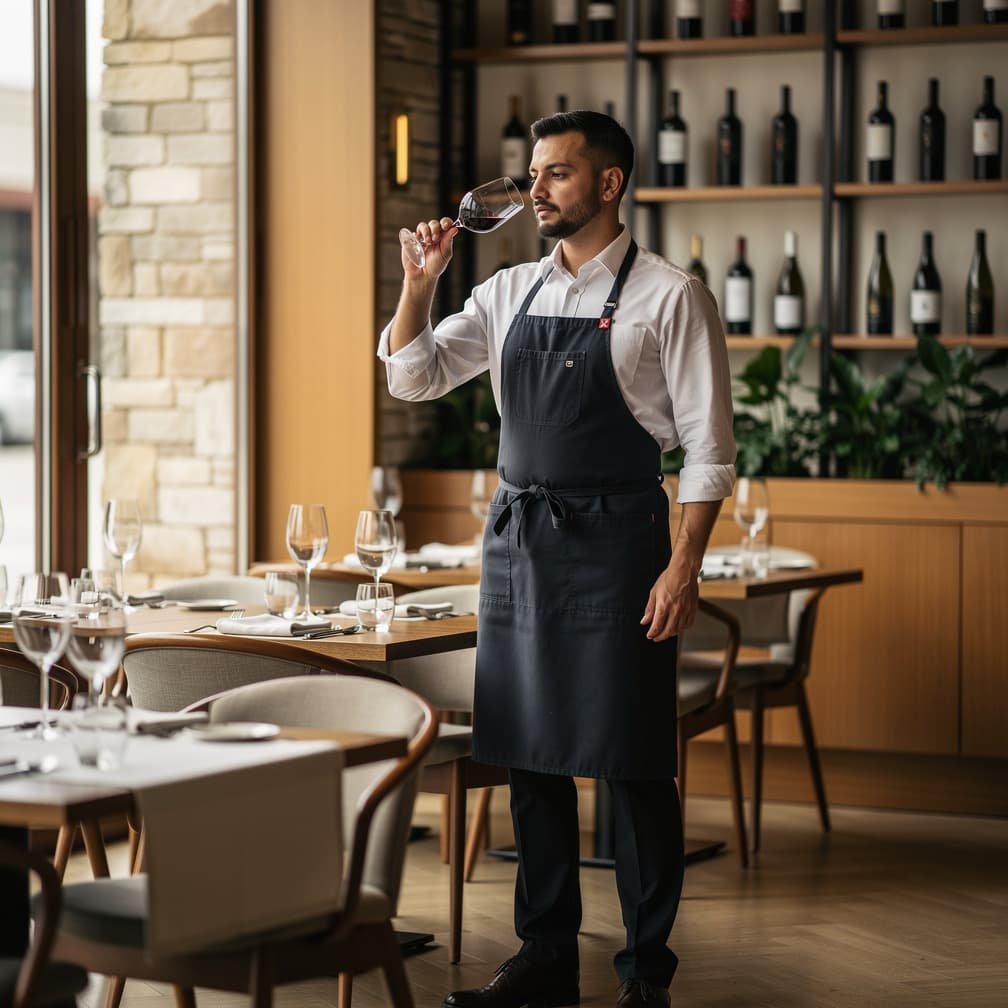

Liquor Liability gets priced off what you pour and how much of it, which is why a tasting room premium behaves nothing like a retail shop's. Underwriters want to know your hours, your event bookings, and whether staff have server training. Winery insurance in Providence carries that question in a way most small businesses never face, since an overserved guest can create a claim hours after leaving your property. Your deductible, your limits, and your loss history then push the number around. No headline range can tell you your own number. The honest answer is that one submission goes to several participating carriers in Rhode Island and comes back with a spread. Use that spread; it is the only leverage you have.
What Makes Providence Different
A storm week that keeps visitors home hits a Providence tasting room in two directions at once. The pour stops, and the crew you already scheduled still arrives expecting a full shift. Property forms answer for damage, and they generally say nothing about a quiet weekend. That is the gap that stings first, since an empty patio in Providence is not physical damage. Business income terms usually depend on there being a covered physical loss to interrupt. Weather that merely discourages guests rarely qualifies, and that surprises people every single year. Ask the question anyway, because the wording varies and some forms reach further than others. Knowing the boundary in advance beats arguing about it while the roof is still dripping.
Local Risk Factors in Providence
Long before the wind arrives, decide who moves the outdoor furniture, who shuts the glycol system down, and who has the policy number in their phone. A written plan carries more weight with an underwriter in Rhode Island than any assurance you can offer on a call. Wind-driven rain through a failed roof is usually a covered cause under a property form; the same water arriving as surge usually is not. That distinction, rather than the storm itself, is what decides how a claim in Providence settles. Photograph the cellar and the stock now, because proving what you had is your job and the pictures cost nothing.
What Coverage Does a Winery in Providence Need?
General Liability
Landlords, distributors, and festival organizers ask for this one by name before they let you sign or pour. It is the line that can answer when a visitor gets hurt on your property, or when wine you made allegedly makes someone sick downstream. Injuries to your own staff and damage to your own stock sit outside it.
Example: A guest steps back from the tasting bar, catches a heel on the patio lip, and breaks a wrist. The medical bills and the demand letter that follows may fall to this coverage, subject to your limit.
Commercial Property
Flood and earth movement sit outside this form almost everywhere, which matters when your cellar is the lowest room you own. What it can reach, up to the limits you schedule, is the building, the tanks, the barrels, and the wine inside them after a fire, a storm, or a burst pipe. Wine appreciates as it sits, so a limit set at bottling may be short by release.
Example: A hard freeze splits a sprinkler line above the barrel room and soaks two hundred cases stacked below. Repairs and the ruined stock might be considered here, depending on how the form treats the heat you agreed to maintain.
Liquor Liability
General Liability commonly steps aside once alcohol is poured, and that is the space this line occupies. It is intended for claims tied to serving, overserving, or serving someone underage, including harm that happens well after a guest leaves your property. Venues and event hosts often require it in writing before they confirm a booking.
Example: Your bar pours generously for a group in Providence, and a guest causes a wreck on the way home hours later. A claim naming your winery could land here, where the defense costs alone can outrun the settlement.
Workers Compensation
A cellar hand slips on a wet floor and a pourer strains a shoulder lifting a case: those are the injuries this line exists for. Medical treatment and a share of lost wages are typically included, and pricing runs per $100 of payroll, so job classifications drive your number. How owners and family members are treated varies by state.
Example: A forklift clips a pallet corner in a tight cellar aisle and a bin comes down on somebody's foot. The treatment and the weeks away from work would generally run through this policy.
Tools & Equipment (Inland Marine)
The transfer pump, the mobile filter, the gear you load for an off-site pour, and the rented press all spend time away from the building your property policy names. This line is meant for equipment in motion: on the road, at a festival, or parked at a leased storage space. Wear and mechanical breakdown are usually a separate conversation.
Example: A tote of pouring gear headed to a tasting event goes off the back of a trailer at a stop sign. Replacing the pump and the hoses might be handled under this coverage rather than the building form.
How Much Does Winery Insurance Cost in Providence?
Winery Insurance is a bundle of separate policies, priced separately. The ranges below are typical figures for Providence for each line, except workers compensation, which is rated per $100 of payroll; a quote prices each one against your own operations.
| Coverage | Typical range | What moves your price |
|---|---|---|
| General Liability Insurance | $95 - $370 per month | Industry and risk classification, annual revenue, number of employees |
| Commercial Property Insurance | $210 - $825 per month | Building value and construction type, roof age and condition, fire protection class |
| Liquor Liability Insurance | $65 - $330 per month | Share of sales that comes from alcohol, type of venue and how late you serve, server training and service procedures |
| Workers Compensation Insurance | $0.75 - $2.74 per $100 of payroll | Employee classification codes, total annual payroll, experience modification rate |
| Inland Marine Insurance | $35 - $130 per month | Total insured value of the scheduled property, type and age of the equipment, where it is stored and how far it travels |
Prices shown are general estimates, not guaranteed rates or quotes. Your actual premium will depend on the insurer, coverage selected, business details, location, claims history, and other underwriting factors. Learn about our pricing methodology.
What Are the Insurance Requirements for a Winery in Providence?
Workers' comp is generally required once you have your first employee. Rhode Island generally requires employers to carry workers' compensation at that point. Common exemptions include sole proprietors and partners. Confirm current thresholds with your state's workers' compensation agency before you hire.
Flood damage is typically excluded from standard policies. Standard commercial property and builders-risk-type policies typically exclude flood. Given Providence's coastal flood exposure, a separate flood policy is worth pricing; FEMA's National Flood Insurance Program is the usual starting point.
Where to verify licensing and coverage rules. The Rhode Island Department of Business Regulation publishes consumer guidance and current insurance requirements for Rhode Island businesses. When a contract or lease demands specific wording, the Rhode Island Department of Business Regulation's guidance is the authoritative place to check.
Get Your Winery Quote in Providence
Compare rates from multiple carriers. Free quotes, no obligation.
Operating in Providence
- Wine club shipments leave your control the moment they are handed off, and a carton that leaves Rhode Island and arrives cooked is a customer problem before it is an insurance question.
- A wedding party in Providence can put a hundred guests, a caterer, a band, and a rental tent on a footprint you built for tastings, and every one of them brings a paperwork request.
- Library bottles are the easiest thing in the building to walk out with, and proving what sat on the shelf falls to you rather than to the person who took it.
- Glycol lines, chillers, and the bottling line are the equipment whose failure stops production outright, so keep model numbers and replacement values somewhere other than on the machine itself.
How to Buy: Advice for Providence Owners
Certificate requests reach a winery faster than a tasting room can process them. Decide now who can request one, how quickly it can be issued, and where the current copy lives while you are out on the crush pad. Ask whether an additional insured endorsement can be added per event or has to sit on the policy all year, because that choice changes what General Liability costs. Ask whether the same endorsement touches your Liquor Liability limit. Check the Rhode Island Department of Business Regulation's guidance before deciding how much of this you should handle yourself. Also confirm your legal entity name matches every contract you signed, since a certificate naming the wrong entity is paper with no policy behind it. Comparing participating carriers in Rhode Island on service terms is as fair a comparison as comparing price.
FAQ
Winery Insurance in Providence: FAQ
Two questions hide inside that one. Damage to your own wine and equipment is a property matter tied to what you scheduled and for how much. Damage the mobile operator causes is often their liability, which is why a certificate from them, naming you, is worth demanding before they unload. Verify their limits rather than trusting the arrangement, since a claim that outruns their policy comes looking for yours.
Expect flood and earth movement to sit outside a standard property form anywhere in Rhode Island. Wear, mold, gradual leaks, and maintenance failures are commonly excluded. Intentional acts and dishonest employees are handled separately if at all. Recall costs, cancelled bookings, and a lost season without physical damage rarely fall inside the form either. Ask for the exclusion list while shopping, when you still have the option of buying differently.
Work the drivers instead of the limits. Clean up storage, keep walkways clear, document server training, and fix the step everyone stumbles on. Split payroll honestly by job so cellar work is not rating your whole staff. Raise a deductible only against losses you could absorb yourself. Then compare quotes from participating carriers in Rhode Island on the same structure, because the same winery genuinely draws different prices from different underwriters.
Pouring for the public is serving alcohol, whether it arrives as a flight or a full glass. General Liability commonly excludes claims tied to serving, and that gap is what Liquor Liability is meant to fill. If a guest leaves your tasting room impaired and causes harm, the claim can reach back to your bar. Ask each quote how it treats tastings, private events, and off-site pours, because the wording is not uniform.
No single number fits, because a winery gets priced as a producer, a bar, and a shop at once. The drivers are revenue, payroll by job class, the value of wine on hand, serving hours, and claims history. Two wineries on the same road in Providence can land far apart if one hosts weddings and the other pours flights. The reliable answer comes from sending one submission to several participating carriers and reading the spread that comes back.
Distributors, landlords, festival organizers, lenders, and any venue hosting your pop-up. Each wants proof the policy exists, that the limit meets their contract, and sometimes that they are named as an additional insured. The request usually arrives with a deadline attached and no flexibility behind it. Keep a current copy where staff can reach it, and confirm your entity name matches the contract before somebody in Providence rejects the document.
Sources
- 1.Rhode Island Department of Business Regulation(Rhode Island Department of Business Regulation publishes consumer guidance for insurance buyers.)
- 2.FEMA / FloodSmart(Flood coverage is typically purchased separately; FEMA administers the National Flood Insurance Program.)


