








































Updated July 16, 2026

Commercial Truck Insurance in Providence
If you are shopping for commercial truck insurance in Providence, the biggest question is not just what your truck does, but where it has to do it. Providence combines dense city streets, a high cost of living, and active freight demand from healthcare, retail, food service, and manufacturing supply chains. That mix can change how underwriters view your routes, garaging, and cargo exposure. With a median household income of $87,329 and a cost of living index of 128, local businesses often rely on dependable delivery schedules, which can put more pressure on trucks operating in tight urban corridors, loading zones, and mixed traffic areas. Providence also has a 26% flood zone share, so location and route details matter when you are comparing physical damage coverage for trucks or cargo insurance for trucks. If your operation includes local hauling, regional delivery, or long-haul dispatches that start or end in the city, your policy should reflect those city-specific exposures rather than a generic profile.
Commercial Truck Insurance Risk Factors in Providence
Providence adds several risk layers that can affect commercial truck insurance coverage. The city’s 26% flood zone percentage makes water exposure a real underwriting factor for trucks parked, loaded, or dispatched near low-lying areas. Local risk also includes flooding, hurricane damage, coastal storm surge, and wind damage, which can matter for physical damage coverage for trucks and for cargo in transit. Providence’s crime index of 108 suggests the city is more exposed than a low-risk market, so garaging location and overnight parking can influence how a carrier views theft-related loss potential. On the road, the city’s traffic density and crash environment can affect truck liability insurance pricing, especially when routes involve frequent stops, tight turns, or mixed commuter and freight traffic. For fleets that swap trailers or move freight between terminals, **trailer interchange exposure** should be reviewed carefully because urban congestion can complicate handoffs and staging.
Rhode Island has a moderate climate risk rating. Top hazards: Hurricane (High), Flooding (High), Nor'easter (Moderate), Coastal Erosion (Moderate). The state's expected annual loss from natural hazards is $160M, which influences commercial truck insurance premiums and may affect coverage availability in high-risk areas.
What Commercial Truck Insurance Covers
In Rhode Island, commercial truck insurance is built around the way your trucks actually operate, not just the vehicle itself. The core protection usually starts with truck liability insurance, which responds to third-party injury or damage claims tied to a covered truck. The state's commercial auto minimums apply, though many trucking contracts call for higher limits. For freight operations, motor carrier liability coverage can be central because it supports interstate and intrastate hauling obligations tied to the business side of trucking.
Cargo insurance may help cover theft, damage, or loss to freight in transit. Physical damage coverage is separate from liability and generally addresses damage to the truck itself from covered losses. Trailer interchange may be relevant if you take possession of trailers under an agreement. Bobtail coverage or non-trucking liability may be considered when a truck is being driven outside dispatch-related hauling.
Your Rhode Island policy should be matched to your routes, cargo, and contract requirements. Because the Rhode Island Department of Business Regulation oversees insurance, your quote should be reviewed for state filing and compliance details before binding.
Coverage Included

Motor Carrier Liability
Can help cover injuries and property damage your truck causes to others, a coverage federal regulators require most for-hire carriers to maintain.
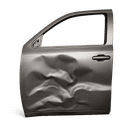
Physical Damage
Can help pay to repair or replace your own truck after an accident, fire, theft, or vandalism.
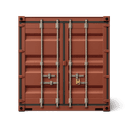
Cargo Coverage
May pay for damage to or theft of the freight you are hauling while it is in your care.
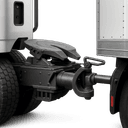
Trailer Interchange
Can help cover damage to trailers you haul under an interchange agreement but do not own.

Bobtail Coverage
May provide liability protection when you drive your tractor without a trailer attached, such as after dropping off a load.

Non-Trucking Liability
Can help cover accidents that happen when you use your truck for personal errands rather than dispatched work.
Commercial Truck Insurance Cost in Providence
Average Cost in Rhode Island
$390 - $975
per month
Businesses in Rhode Island typically see commercial truck insurance premiums of $390 - $975 per month, which tends to run 10% below the national range of $400 - $1,125 per month.
- Radius of operation
- Commodities hauled and cargo value
- Number and value of power units
- Driver motor vehicle records and CDL experience
- DOT safety record, inspections, and FMCSA scores
- Liability limits and physical damage deductibles
Contact CPK Insurance for a personalized quote.
Prices shown are general estimates, not guaranteed rates or quotes. Your actual premium will depend on the insurer, coverage selected, business details, location, claims history, and other underwriting factors. Learn about our pricing methodology.
For Rhode Island, commercial truck insurance cost per truck per month can vary widely, and premiums here run above the national average. Those ranges can move based on coverage limits and deductibles, claims history, location, industry or risk profile, and policy endorsements. A truck operating around Providence, Warwick, or other dense traffic areas may be rated differently than a truck with limited local exposure. Accounts that haul through coastal or flood-prone areas may see underwriting attention because Rhode Island has high hurricane and flooding risk.
The state also logged 18,000 crashes in 2023, with weather conditions listed among the top causes. That crash volume is notably high for a state of Rhode Island's size and population, which can push carriers to scrutinize your route exposure and loss history more closely. This directly affects how your premium is calculated. Cargo insurance, motor carrier liability coverage, and physical damage coverage can each affect the final premium depending on the limits chosen. The state's active insurers create competition, but pricing still reflects the state's risk profile and the specifics of your operation.
What Makes Providence Different
The single biggest difference in Providence is density. Even without changing the basic structure of commercial truck insurance, the city’s combination of flood exposure, urban traffic, and business concentration makes route and garaging details carry more weight in underwriting. A truck operating in Providence may face more stop-and-go driving, tighter delivery access, and more exposure to weather-related loss than a truck based in a less concentrated area. That matters for truck liability insurance, physical damage coverage for trucks, and cargo insurance for trucks because the insurer is not only pricing the vehicle, but the environment around it. Providence also has a higher cost-of-living backdrop and a business mix that depends on frequent freight movement, so the policy needs to match the actual pace and pressure of city operations. In short, Providence changes the insurance calculus by making local exposure, not just vehicle type, a central part of the quote.
Our Recommendation for Providence
For Providence buyers, start by mapping how your trucks actually move through the city. Document garaging addresses, loading zones, overnight parking, and whether the unit runs local delivery, regional hauling, or long-haul dispatch. Then match coverage to those use patterns. If your trucks operate near flood-prone areas, ask how the carrier treats physical damage coverage for trucks and deductibles. If you haul goods for healthcare, retail, food service, or manufacturing customers, make sure cargo insurance for trucks reflects the value and handling requirements of that freight. For fleets that use trailers, review trailer interchange terms before binding. Providence operators should also compare how different carriers rate dense-traffic routes, because a quote can shift based on where the truck spends most of its time. Finally, review your commercial truck insurance requirements in Providence with any shipper or broker contracts so the policy lines up with the work you actually do.
Get Commercial Truck Insurance in Providence
Enter your ZIP code to compare commercial truck insurance rates from carriers in Providence, RI.
Business insurance starting at $25/mo
FAQ
Frequently Asked Questions
Providence’s dense streets, frequent stops, and mixed traffic can affect how a carrier prices truck liability insurance and route-based exposure, especially if your trucks operate in busy delivery corridors.
With 26% of the city in a flood zone, insurers may pay close attention to where a truck is garaged and how it is used when setting physical damage coverage for trucks and related deductibles.
Healthcare & Social Assistance, Retail Trade, Accommodation & Food Services, Manufacturing, and Education all create freight movement needs that can support cargo insurance for trucks and truck liability insurance.
Yes. Garaging location can matter because Providence has a crime index of 108, so overnight parking and storage details may influence underwriting for theft-related or damage-related losses.
Share your routes, garaging address, cargo type, delivery schedule, trailer use, and whether your trucks run local, regional, or long-haul work so the quote reflects your actual operation.
It can be tailored for Rhode Island trucking with motor carrier liability, physical damage, cargo coverage, trailer interchange, bobtail coverage, and non-trucking liability insurance, depending on how your trucks are used.
Rhode Island's commercial auto minimums apply, but your actual trucking policy may need higher limits based on freight contracts, broker requirements, or interstate hauling.
Premiums vary per truck per month, and the state market is above the national average, so the final price depends on limits, deductibles, routes, claims history, and endorsements.
Updated July 16, 2026





