
Updated July 16, 2026

Homeowners Insurance in Providence
Providence home values change how you set a homeowners policy before you ever compare quotes. With a median home value of $322,800 and local household income shaping what deductible feels manageable, your insurance decision often comes down to a practical tradeoff. You want enough dwelling and loss-of-use protection for a serious claim, paired with a deductible you could realistically absorb. That matters even more if you own an older house on a tighter lot, where matching existing materials and working around close neighbors can slow repairs and drive up temporary living costs. Pull your current limits and check them against what it would actually cost to rebuild today, since a stale purchase price or last year's declarations page rarely reflects current labor and material prices.
Rhode Island has a moderate climate risk rating. Top hazards: Hurricane (High), Flooding (High), Nor'easter (Moderate), Coastal Erosion (Moderate). The state's expected annual loss from natural hazards is $160M, which influences homeowners insurance premiums and may affect coverage availability in high-risk areas.
What Homeowners Insurance Covers
The Rhode Island difference is less about the label on the policy and more about how carefully the form is matched to your property. If your home sits near the shore, on a low-lying lot, or in an older neighborhood with aging plumbing and drainage, you want the quote reviewed for the loss scenarios most likely to disrupt your household. That means checking how the policy handles wind-driven rain, damage that starts with a roof opening, water backup through drains or a sump, and the cost to bring repaired portions of the home up to current building requirements after a covered loss. Those details can change what you pay out of pocket and whether a claim payment is enough to finish the repair.
You should also review how the policy settles roof losses. Some carriers offer different approaches depending on roof age, material, and condition. If the roof is older, ask whether losses are settled on a replacement cost basis or a more limited basis, because that one provision can materially change the claim outcome after a storm. The same goes for detached structures, finished basements, and higher-value personal property. A standard quote may not automatically reflect a workshop, detached garage, retaining wall, or collections that need scheduled coverage.
Rhode Island homeowners also benefit from checking loss-of-use language with real living arrangements in mind. If a covered loss makes the home unlivable, you want to know how temporary housing is handled, especially if local rental options are tight or seasonal demand affects availability. Before you buy, ask the agent to walk through the exclusions, endorsements, and settlement terms in plain language, then compare those answers across quotes.
Coverage Included

Dwelling
Repairs or rebuilds your home itself, the walls, roof, floors, built-in appliances, and attached structures like a garage, after a covered loss. Set this limit to the full cost of rebuilding, not market value.
Other Structures
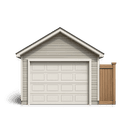
Detached structures on your property, such as a fence, shed, detached garage, or gazebo. Usually set at about 10 percent of your dwelling limit [2].

Personal Property
Your belongings, furniture, clothing, electronics, and appliances, generally written at 50 to 70 percent of your dwelling limit [2]. High-value items like jewelry and art carry special limits.

Additional Living Expenses
Also called loss of use. Pays your added living costs, hotel stays, meals, and a temporary rental, while a covered loss makes your home uninhabitable. Usually set at about 20 percent of your dwelling limit.

Liability
Covers you if someone is injured on your property, or you damage someone else's property, and you are found responsible. The standard $100,000 limit [2] is often raised to $300,000 or $500,000.

Medical Payments
Pays small medical bills, commonly $1,000 to $5,000, if a guest is hurt at your home regardless of fault, without a formal liability claim.
Homeowners Insurance Cost in Providence
Average Cost in Rhode Island
$120 - $280
per month
In Rhode Island, homeowners insurance premiums typically run $120 - $280 per month, which tends to run 11% above the national range of $110 - $250 per month.
- Home replacement cost, age, and construction type
- Roof age, material, and condition
- ZIP code and local weather risk (wind, hail, wildfire, hurricane)
- Coverage limits and endorsements
- All-peril and percentage wind/hail deductibles
- Claims history and insurance score where allowed
Typical range for many standard homeowners profiles; lower-risk homes fall below it and coastal, wildfire, or older-roof homes can run well above. Final pricing depends on property details, location, underwriting, and selected coverage.
Prices shown are general estimates, not guaranteed rates or quotes. Your actual premium will depend on the insurer, coverage selected, personal details, location, claims history, and other underwriting factors. Learn about our pricing methodology.
Many homes see premiums starting at $120 per month, with higher-risk properties reaching $280 or more, depending on where the property sits, the age and condition of the home, the roof, prior claims, deductible choices, and how much dwelling coverage the carrier is being asked to insure. That spread reflects the difference between a well-maintained inland home and a coastal property with higher wind and water exposure, so the quote only means something once you know what deductibles, exclusions, and endorsements are attached.
For Rhode Island homes, location can change the quote quickly. A property closer to the coast, more exposed to wind, or more vulnerable to water intrusion may price differently than a similar home farther inland. Construction details matter too. Carriers often look closely at roof age, roof shape, siding, electrical updates, plumbing, heating systems, and whether the home has features like a sump pump, finished lower level, detached structures, or older materials that may cost more to repair. If the home has had recent updates, make sure those are reflected in the application, because incomplete property data can distort the quote in either direction.
Your deductible is another major lever. A higher deductible can lower the premium, but only if the amount still fits your emergency budget after a real loss. The better buying approach is to compare the premium against the deductible, roof settlement terms, water backup options, and code-upgrade coverage at the same time. That lets you see whether you are actually saving money or just shifting more risk back onto yourself. Ask for competing quotes built on the same dwelling amount and the same key endorsements so you can compare them fairly.
What Makes Providence Different
Market value is the wrong anchor for the decisions that matter at claim time. Before you compare quotes, work through three questions: does your dwelling limit reflect current rebuild costs, does your deductible leave enough savings to handle a sudden loss, and would temporary housing actually work for your household if repairs displaced you? Local household income also matters, because an aggressive deductible can look sensible on paper but still create real pressure after a sudden loss. If you bought several years ago, renovated, finished space, or added higher-value belongings, ask for a fresh limit review and a side-by-side deductible comparison. The point is to land on numbers you can live with year over year and still count on when a claim hits.
Our Recommendation for Providence
Start with your declarations page and verify each major bucket against how you live in the home now. If your house has older construction details, ask the agent to walk through dwelling valuation assumptions and whether ordinance or law coverage deserves a closer look. If your budget is tight, do not just ask for a lower premium. Instead, ask what changes if you move the deductible up or down, and whether reducing optional endorsements creates a gap you would actually notice during a claim. Providence buyers should also inventory detached structures, finished lower levels, and any higher-value personal property before requesting quotes, because those details often get missed in a fast online application. If you work from home, host guests often, or have a dog, review liability with the same care you give the property limit. When you are ready, request a quote built from your house and household details, then compare the tradeoffs line by line before renewing.
Get Homeowners Insurance in Providence
Enter your ZIP code to compare homeowners insurance rates from carriers in Providence, RI.
Home insurance starting at $50/mo
FAQ
Frequently Asked Questions
Providence buyers should not rely on an old purchase price alone. With a median home value of 322,800, it makes sense to review dwelling limits and deductible choices together, then ask how the insurer is estimating repair and rebuild costs for your specific house.
Providence households should pressure-test the deductible against actual savings. Local household income can make a higher deductible look manageable at quote time, so confirm you could comfortably fund that amount after a covered water, fire, or theft claim.
Providence County has 16,439 business establishments, which means contractors, deliveries, and home-based work are part of daily life for many households. That is a good reason to disclose home business activity, detached structures, and liability exposures before you bind coverage.
Retail trade, construction, and health care and social assistance each account for roughly 11 to 12 percent of Providence County establishments, so plenty of your neighbors run businesses that involve tools, inventory, or client visits from home. That mix makes it worth mentioning those details to a standard policy that may limit them.
Rhode Island quotes can vary because carriers weigh coastal exposure, roof condition, home age, prior claims, and water-related features differently. Two similar-looking homes can price very differently once deductibles, endorsements, and settlement terms are matched to the actual property.
Rhode Island homeowners often ask this when the home has a basement, lower level, sump, or older drainage setup. Water backup is worth reviewing closely because a standard policy may not handle every drain, sewer, or sump-related loss the way buyers expect.
Rhode Island buyers should compare how each policy settles roof losses, not just whether the roof is covered. Ask whether payment is based on replacement cost or a more limited method, and confirm whether roof age changes eligibility or claim settlement.
Rhode Island homeowners insurance is regulated by the Rhode Island Department of Business Regulation. That matters if you want to verify insurer oversight, understand complaint channels, or confirm where policy servicing issues can be escalated during a dispute.
Sources
- 1.U.S. Census Bureau, ACS 5-Year Estimates, table B25077(Providence has a median home value of $322,800.)
- 2.U.S. Census Bureau, ACS 5-Year Estimates, table B19013(Providence has a median household income of $66,772.)
- 3.U.S. Census Bureau, County Business Patterns, Providence County(Providence County has 16,439 business establishments.; Providence County’s leading sectors by establishment share are retail trade 11.7%, construction 11.5%, and health care and social assistance 11.3%.)
Updated July 16, 2026