








































Updated July 16, 2026

Inland Marine Insurance in Providence
Property managers, lenders, venue operators, and general contractors often want proof that your mobile tools and customer property are insured before they release a dock, approve a contract, or let your crew start work. For inland marine insurance in Providence, satisfying that request usually means showing coverage that matches how your property actually moves. You are not just handing over a generic certificate. That matters if you shuttle equipment between downtown renovations, medical offices on the East Side, retail deliveries, and temporary storage tied to a short project schedule. Providence County has 16,439 business establishments, so you are more likely to run into counterparties that have their own insurance requirements built into leases, work orders, and vendor packets. Take stock of the property classes you move most often, where items sit between jobs, and whether borrowed or customer property needs to be scheduled before you send proof of coverage.
Inland Marine Insurance Risk Factors in Providence
Providence's top risk factors include Flooding, Hurricane damage, Coastal storm surge, and Wind damage.
Rhode Island has a moderate climate risk rating. Top hazards: Hurricane (High), Flooding (High), Nor'easter (Moderate), Coastal Erosion (Moderate). The state's expected annual loss from natural hazards is $160M, which influences inland marine insurance premiums and may affect coverage availability in high-risk areas.
What Inland Marine Insurance Covers
In Rhode Island, this coverage is designed for business property that moves beyond a fixed address. That includes items in transit between job sites, customer locations, and temporary storage. For Rhode Island businesses, that mobile property focus matters because standard commercial property insurance is tied to a permanent location. Your policy may help cover the property while it is being transported, staged, or used offsite. Common options include tools and equipment insurance, goods in transit coverage, contractors equipment insurance, installation floater coverage, and builders risk coverage.
State rules do not create a single mandatory form for every business. The Rhode Island Department of Business Regulation oversees the market, so policy wording, endorsements, and limits can differ by insurer. That makes it important to confirm how your policy treats theft, damage, vandalism, and temporary storage away from your main premises.
In practical terms, this coverage is often used for property at job sites in Providence, storage between projects in Warwick or Cranston, or materials moving to coastal work locations in Newport and other shoreline areas. Because Rhode Island has elevated hurricane and flooding risk, businesses should ask whether their policy addresses offsite exposure during transport and staging. You should also confirm whether any endorsements are needed for the way property is actually used.
Coverage Included
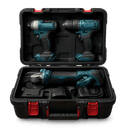
Tools & Equipment
Can help repair or replace hand tools, power tools, and gear that are stolen or damaged on the job or in transit.

Goods in Transit
May cover products, materials, and merchandise while they are being shipped or hauled between locations in your care.
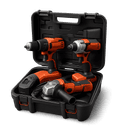
Contractors Equipment
Typically covers heavy machinery like excavators, loaders, and generators against theft or damage at job sites and between them.

Installation Floater
Can help cover materials and fixtures from the moment you buy them until they are installed and accepted at a project.

Builders Risk
May cover a structure under construction, along with materials on site, against damage from fire, wind, theft, and vandalism.
Inland Marine Insurance Cost in Providence
Average Cost in Rhode Island
$25 - $95
per month
Businesses in Rhode Island typically see inland marine insurance premiums of $25 - $95 per month, which tends to run close to the national range of $20 - $100 per month.
- Total insured value of the scheduled property
- Type and age of the equipment
- Where it is stored and how far it travels
- Jobsite security and theft prevention
- Per-item limits and deductibles
- Prior theft and in-transit losses
Contact CPK Insurance for a personalized quote.
Prices shown are general estimates, not guaranteed rates or quotes. Your actual premium will depend on the insurer, coverage selected, business details, location, claims history, and other underwriting factors. Learn about our pricing methodology.
Inland marine insurance cost in Rhode Island can vary by carrier, class of business, and coverage design. Insurance prices in the state run above the national average, so you may pay more for comparable coverage than you would in other states.
A contractor moving expensive tools through Providence, staging materials in Newport, or storing equipment near flood-prone coastal areas may see different pricing than a business with lighter, less frequently moved property. Rhode Island's weather history also matters. Hurricanes, flooding, and nor'easters can increase loss potential for property in transit or temporary storage.
Tools and equipment insurance may price differently than contractors equipment insurance or installation floater coverage, because the exposure changes with the item, its value, and how often it is moved. Businesses in the state's largest sectors may need different limits depending on whether they move portable assets, supplies, or customer property. A healthcare support service transporting medical devices, a manufacturer moving components between facilities, and a retailer shipping display inventory each face different risks and may see meaningfully different quotes.
Industries & Insurance Needs in Providence
County business mix is the practical reason this coverage comes up so often here. In Providence County, the leading sectors by establishment share are retail trade at 11.7%, construction at 11.5%, and health care and social assistance at 11.3%, so a lot of local work involves property that leaves a main premises and changes hands during the day. That can mean tools and small equipment moving between job sites, merchandise in transit or at temporary locations, or diagnostic and service equipment traveling to a client or satellite location. If your operation touches any of those patterns, ask for a quote that separates what is permanently at your address from what is mobile, installed, stored off-site, or carried for others. That is usually where a buyer finds out whether the form fits the real exposure.
What Makes Providence Different
Contract-driven proof of coverage is the main difference here. In a compact market where you may work with landlords, institutions, medical offices, retailers, and building owners in the same week, questions about your policy often start with paperwork before they start with a loss scenario. What matters is whether the description matches the property others are worried about. That includes contractor's equipment, installation materials, leased items, fine arts or event property, or customer goods in your care while they are moving or temporarily stored. A Providence buyer should think less about a broad label and more about the schedule, valuation method, transit exposure, and temporary-location language. If a client or lender asks for proof, look at the covered property list first and confirm the certificate will describe the exposure in a way the other party can actually accept.
Our Recommendation for Providence
Start with an inventory that follows the route your property takes during a normal week. Separate owned tools, rented equipment, installation materials, and customer property, and note what travels by vehicle, what is left at a temporary site, and what sits indoors with a third party. If you work with higher-value households or design-sensitive spaces, Providence median household income is $66,772, which means clients tend to expect quick, clean restoration when a damaged item delays a project or affects a client-facing space. That makes valuation and documentation worth reviewing before a claim happens. Ask whether your quote should schedule specific items, use a blanket approach for smaller mobile property, or add terms for property in transit and at temporary locations. Before you send a certificate to a landlord, venue, or contractor, confirm the named insured, covered property description, and job-related addresses are accurate.
Get Inland Marine Insurance in Providence
Enter your ZIP code to compare inland marine insurance rates from carriers in Providence, RI.
Business insurance starting at $25/mo
FAQ
Frequently Asked Questions
In Rhode Island, it may cover business property that is mobile or being transported, including items moving between locations. It is designed for property that leaves a fixed premises and may be exposed at job sites, in transit, or in temporary storage.
It can help cover property when it is staged away from your main location, such as a Providence job site, a coastal project in Newport, or temporary storage in Warwick. The exact treatment depends on the policy wording, so storage conditions and endorsements matter.
Contractors, installers, manufacturers, retailers, and service businesses that move valuable property regularly are common candidates. Rhode Island's small-business-heavy economy means many firms use portable tools or materials that do not stay at one fixed address.
Premiums are shaped by coverage limits, deductibles, claims history, location, industry risk, and endorsements. In Rhode Island, hurricane and flooding exposure can also influence how a carrier prices property that moves or sits in temporary storage.
Rhode Island does not set one universal inland marine rule for every business, but the market is regulated by the Rhode Island Department of Business Regulation. Your operations and the scale of your business shape what you need, so your agent should match the policy to your actual activities.
Start with a list of mobile property, estimated values, storage locations, and job-site details in places like Providence, Cranston, or Newport. Then review options from several carriers so you can see differences in limits, deductibles, and endorsements.
The right choice depends on what moves and when it is exposed. Smaller hand tools may fit tools and equipment insurance, heavier gear may fit contractors equipment insurance, and items awaiting placement at a site may point to installation floater coverage.
Inland marine insurance may cover business property that moves, travels, or is stored away from your main premises. That can include tools, equipment, materials, goods in transit, and certain property at job sites or temporary locations, depending on your policy terms.
Sources
- 1.U.S. Census Bureau, County Business Patterns, Providence County(In Providence County, there are 16,439 business establishments, so you are more likely to run into counterparties that have their own insurance requirements built into leases, work orders, and vendor packets.; In Providence County, the leading sectors by establishment share are retail trade at 11.7%, construction at 11.5%, and health care and social assistance at 11.3%, so a lot of local work involves property that leaves a main premises and changes hands during the day.)
- 2.U.S. Census Bureau, ACS 5-Year Estimates, table B19013(Providence median household income is $66,772, so replacement expectations can be less forgiving when a damaged item delays a project or affects a client-facing space.)
Updated July 16, 2026





