








































Updated July 16, 2026

Commercial Truck Insurance in Warwick
Retail, health care, and construction set the pace for truck work around Warwick. In Kent County, retail trade makes up 13.3% of establishments, health care and social assistance 12.5%, and construction 11.5%. Those three sectors alone account for over a third of the local business base, so your trucks likely serve at least two of them in a typical week. That mix brings tighter parking, stricter delivery windows, and more backing and loading activity, all of which sharpen the buying process. You want the quote to match whether your vehicles stay on short local routes, carry tools or materials, or move goods for multiple customer types in the same week. Kent County also has 4,743 business establishments. That density means landlords, vendors, and jobsite customers often ask for proof of coverage before your first run. Before you compare options, map your actual radius, vehicle types, driver schedules, and what is in the truck at each stop, then ask for limits and endorsements that fit those day-to-day operations.
Commercial Truck Insurance Risk Factors in Warwick
Warwick's top risk factors include Flooding, Hurricane damage, Coastal storm surge, and Wind damage.
Rhode Island has a moderate climate risk rating. Top hazards: Hurricane (High), Flooding (High), Nor'easter (Moderate), Coastal Erosion (Moderate). The state's expected annual loss from natural hazards is $160M, which influences commercial truck insurance premiums and may affect coverage availability in high-risk areas.
What Commercial Truck Insurance Covers
In Rhode Island, commercial truck insurance is built around the way your trucks actually operate, not just the vehicle itself. The core protection usually starts with truck liability insurance, which responds to third-party injury or damage claims tied to a covered truck. The state's commercial auto minimums apply, though many trucking contracts call for higher limits. For freight operations, motor carrier liability coverage can be central because it supports interstate and intrastate hauling obligations tied to the business side of trucking.
Cargo insurance may help cover theft, damage, or loss to freight in transit. Physical damage coverage is separate from liability and generally addresses damage to the truck itself from covered losses. Trailer interchange may be relevant if you take possession of trailers under an agreement. Bobtail coverage or non-trucking liability may be considered when a truck is being driven outside dispatch-related hauling.
Your Rhode Island policy should be matched to your routes, cargo, and contract requirements. Because the Rhode Island Department of Business Regulation oversees insurance, your quote should be reviewed for state filing and compliance details before binding.
Coverage Included

Motor Carrier Liability
Can help cover injuries and property damage your truck causes to others, a coverage federal regulators require most for-hire carriers to maintain.
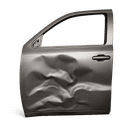
Physical Damage
Can help pay to repair or replace your own truck after an accident, fire, theft, or vandalism.
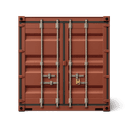
Cargo Coverage
May pay for damage to or theft of the freight you are hauling while it is in your care.
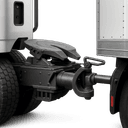
Trailer Interchange
Can help cover damage to trailers you haul under an interchange agreement but do not own.

Bobtail Coverage
May provide liability protection when you drive your tractor without a trailer attached, such as after dropping off a load.

Non-Trucking Liability
Can help cover accidents that happen when you use your truck for personal errands rather than dispatched work.
Commercial Truck Insurance Cost in Warwick
Average Cost in Rhode Island
$390 - $975
per month
Businesses in Rhode Island typically see commercial truck insurance premiums of $390 - $975 per month, which tends to run 10% below the national range of $400 - $1,125 per month.
- Radius of operation
- Commodities hauled and cargo value
- Number and value of power units
- Driver motor vehicle records and CDL experience
- DOT safety record, inspections, and FMCSA scores
- Liability limits and physical damage deductibles
Contact CPK Insurance for a personalized quote.
Prices shown are general estimates, not guaranteed rates or quotes. Your actual premium will depend on the insurer, coverage selected, business details, location, claims history, and other underwriting factors. Learn about our pricing methodology.
For Rhode Island, commercial truck insurance cost per truck per month can vary widely, and premiums here run above the national average. Those ranges can move based on coverage limits and deductibles, claims history, location, industry or risk profile, and policy endorsements. A truck operating around Providence, Warwick, or other dense traffic areas may be rated differently than a truck with limited local exposure. Accounts that haul through coastal or flood-prone areas may see underwriting attention because Rhode Island has high hurricane and flooding risk.
The state also logged 18,000 crashes in 2023, with weather conditions listed among the top causes. That crash volume is notably high for a state of Rhode Island's size and population, which can push carriers to scrutinize your route exposure and loss history more closely. This directly affects how your premium is calculated. Cargo insurance, motor carrier liability coverage, and physical damage coverage can each affect the final premium depending on the limits chosen. The state's active insurers create competition, but pricing still reflects the state's risk profile and the specifics of your operation.
What Makes Warwick Different
What changes the buying calculus here is how your routes shift between retail deliveries, construction supply runs, and service calls near medical offices. Your exposure can change by day, not just by season. Underwriters look closely at where trucks go, how often they stop, who loads them, and whether drivers carry tools, materials, or customer property. If your business fits that profile, ask for a quote built from dispatch reality rather than a broad business description. Describe each truck's typical week in concrete terms: where it parks, how far it travels, and what it carries.
Our Recommendation for Warwick
Lead with your routes and how each vehicle gets used, not just a VIN list. If one truck handles retail drops in the morning and construction materials later in the week, spell that out so the right coverage options come into view for your operation. If another unit mainly carries tools to service calls, separate that use instead of grouping every vehicle together. Many operators here work through purchase orders, site access rules, and certificate requests, so you should also review who asks to be named on your policy before work starts. Keep driver records current and note any trailers, attached equipment, or permanently mounted tools that a basic schedule leaves out. When you request quotes, bring a recent loss run, current declarations, and a short description of your top customer types.
Get Commercial Truck Insurance in Warwick
Enter your ZIP code to compare commercial truck insurance rates from carriers in Warwick, RI.
Business insurance starting at $25/mo
FAQ
Frequently Asked Questions
Warwick routes often serve more than one customer type in the same week. Your quote should reflect those different stops and loading patterns.
Warwick area trucking businesses often run into certificate requests early. With roughly 4,700 establishments in the county, landlords, vendors, and jobsite customers may want proof of coverage before work begins.
Warwick owner-operators should bring current declarations, driver details, garaging information, vehicle schedules, and a simple description of what each truck carries. That helps the quote match local delivery work, service calls, or jobsite hauling instead of relying on a generic business label.
Warwick contractors usually benefit from separating units by actual use. A truck carrying tools to service calls presents a different exposure than one hauling materials, so listing those uses clearly can lead to a more accurate review of limits and endorsements.
Warwick fleets should mention those stops because local demand often comes from the county's largest sectors. That operating mix can affect how an underwriter evaluates routes, cargo, and stop frequency.
It can be tailored for Rhode Island trucking with motor carrier liability, physical damage, cargo coverage, trailer interchange, bobtail coverage, and non-trucking liability insurance, depending on how your trucks are used.
Rhode Island's commercial auto minimums apply, but your actual trucking policy may need higher limits based on freight contracts, broker requirements, or interstate hauling.
Premiums vary per truck per month, and the state market is above the national average, so the final price depends on limits, deductibles, routes, claims history, and endorsements.
Sources
- 1.U.S. Census Bureau, County Business Patterns, Kent County(In Kent County, retail trade makes up 13.3% of establishments, health care and social assistance 12.5%, and construction 11.5%.; Kent County has 4,743 business establishments.)
Updated July 16, 2026





