Updated July 16, 2026

Dealer Open Lot Insurance in Warwick
Property managers, floorplan lenders, and nearby commercial landlords often want proof that your inventory is insured before they approve overflow parking, release financing, or finalize a lease. Satisfying them usually means more than showing a declarations page. You want the insured location, any temporary storage arrangement, and the way units move between your main lot and borrowed or leased spaces to line up cleanly with your records. Gaps in your paperwork can slow a deal or trigger a lender to scrutinize your controls more closely. Warwick's median household income is $87,536, which means buyers in this market have the income to be selective and may walk away if a transaction feels disorganized. If you store vehicles behind a retail strip, near service bays, or on a secondary parcel, ask for the quote review to match those real operating details. Before you request terms, gather your current inventory list, note every place vehicles sit overnight, and flag any location that is used only during busy selling periods.
Dealer Open Lot Insurance Risk Factors in Warwick
Local storage layout is the issue to review most carefully here. If your inventory sits on a primary lot during the day but shifts to side parcels, shared commercial parking, or temporary overflow spaces at night, your exposure changes with the address and the way the units are secured. Rhode Island’s broader natural hazard picture matters in the background, but the practical buying question locally is simpler: **where are the vehicles, when are they there**, and does your policy review reflect that pattern. If a storm, vandalism event, or lot incident affects units parked away from the main frontage, you do not want ambiguity about whether that location was disclosed. Ask your agent to review every overnight storage point, any fencing or lighting differences, and whether peak-season overflow arrangements should be scheduled before inventory builds.
Rhode Island has a moderate climate risk rating. Top hazards: Hurricane (High), Flooding (High), Nor'easter (Moderate), Coastal Erosion (Moderate). The state's expected annual loss from natural hazards is $160M, which influences dealer open lot insurance premiums and may affect coverage availability in high-risk areas.
What Dealer Open Lot Insurance Covers
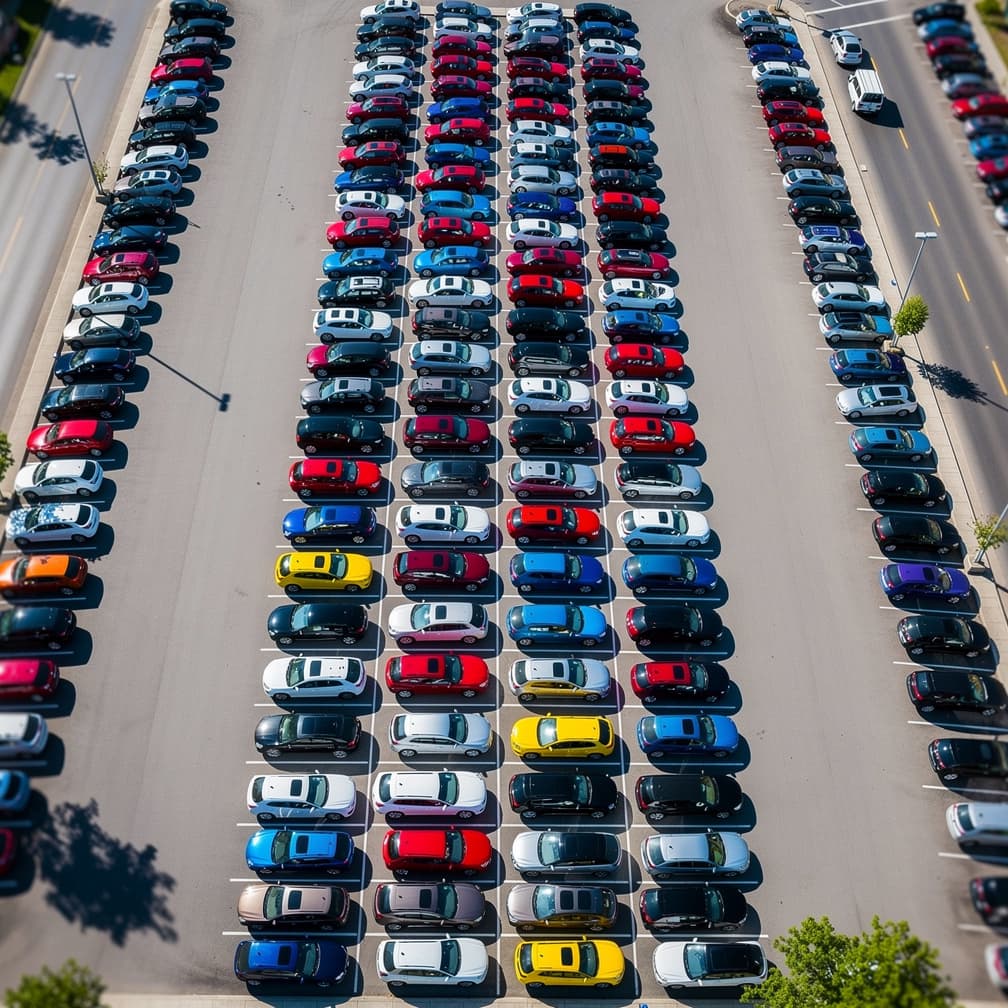
A dealership in this state may keep sale units on the front line, stack overflow inventory at a secondary address, hold fresh auction purchases temporarily, or move vehicles through service and detail areas before they are retail-ready.
You should ask how the policy treats inventory at every declared location, not just the main lot address on your application. If you use nearby overflow parking, seasonal storage, or a separate reconditioning site, make sure those addresses are disclosed and reviewed. A claim gets harder to sort out when a damaged or stolen unit was sitting somewhere the underwriter never evaluated.
It also helps to review how the policy responds to common lot-level problems that are easy to overlook operationally. Water collecting in low-lying areas of the property, wind-driven debris, vandalism after hours, theft tied to weak key control, and damage while units are being repositioned around the premises all deserve attention. If your dealership is near the coast or in an area where weather shifts quickly, ask whether your current limit still matches peak inventory values during heavier buying periods.
Rhode Island is regulated by the Rhode Island Department of Business Regulation. That means any policy form or endorsement you review has been filed and approved under state rules, so if a term is unclear, you can ask the carrier to explain it in plain language and check it against Rhode Island requirements rather than assuming it works the same way it would in another state. Before binding, match the covered locations, valuation method, deductibles, and reporting expectations to how your lot actually runs day-to-day.
Coverage Included

Weather Damage
Covers hail, wind, flood, and storm damage to lot inventory.
Theft Protection
Covers vehicles stolen from your lot.
Fire Damage
Covers fire and explosion damage to inventory vehicles.

Vandalism
Covers intentional damage to vehicles on your lot.
Test Drive Coverage
Covers vehicles during customer and employee test drives.

Transit Coverage
Covers vehicles being moved between lot locations.
Industries & Insurance Needs in Warwick
County business mix changes how often a dealer here may need flexible storage and clean proof of coverage. Kent County has 4,743 business establishments, and its leading sectors by establishment share are retail trade at 13.3%, health care and social assistance at 12.5%, and construction at 11.5%, so vehicle dealers often operate near busy commercial users that value orderly parking, documented insurance, and clear site control. That does not set a premium by itself. It does change the operating conversation around where inventory can sit and what a landlord, lender, or neighboring property owner may ask to see before allowing overflow use. If you rely on a secondary parcel near retail traffic or contractor activity, request a quote review that addresses those exact addresses and how often units are moved between them.
What Makes Warwick Different
In a market where dealers may sit near retail corridors, service businesses, and mixed-use commercial properties, the real exposure often comes from the side lots and borrowed spaces where inventory rests before sale. A clean local review should account for overflow parking, short-term storage agreements, and whether vehicles ever sit on a parcel that is controlled by someone else. Third parties who control the space may ask for proof of coverage that matches the actual address and use, not a generic certificate that leaves room for doubt, so a mismatch could delay parking approval or financing. If your operation depends on borrowed spaces during busy periods, treat those arrangements as part of the underwriting file, not as an afterthought. Describing your locations and storage practices precisely up front makes it easier to compare terms that genuinely reflect how your inventory moves and where it rests.
Our Recommendation for Warwick
Start with a location map, not just a vehicle list. Mark the main lot, every overflow area, any service or reconditioning address, and any place units remain overnight. Then match those addresses to your inventory controls so an underwriter can see where vehicles are kept, how often they move, and who controls each space. If you use a landlord's parcel or a neighboring business lot during peak periods, ask whether that arrangement should be specifically reviewed before coverage is bound. Lenders and property managers often focus on different details in a certificate or policy evidence, so confirm what each party requires rather than assuming one document satisfies both. If there is any question about local filing or documentation expectations, ask your provider to clarify the point once, especially where the Rhode Island Department of Business Regulation sets the broader insurance framework. Bring photos, addresses, and a current unit schedule to the quote request.
Get Dealer Open Lot Insurance in Warwick
Enter your ZIP code to compare dealer open lot insurance rates from carriers in Warwick, RI.
Business insurance starting at $25/mo
FAQ
Frequently Asked Questions
Warwick dealers usually should be ready to show proof that matches the actual storage arrangement. If vehicles sit on an overflow parcel overnight or during peak sales periods, ask for the quote review to address that location clearly before a landlord or lender asks questions.
Warwick seasonal overflow can still matter because the exposure follows where inventory is kept. If a secondary address is used during busy periods, disclose when it is used, how many units are stored there, and who controls the site.
Kent County has 4,743 business establishments, which means your neighbors are likely active businesses with their own insurance requirements and little patience for uninsured risk next door. If a neighboring business or landlord asks for documentation, having your policy review already aligned with every storage address lets you respond without scrambling.
Warwick's median household income is $87,536, which means a buyer here has the budget to be selective and may walk if paperwork feels sloppy. For insurance planning, that means keeping your unit schedule, storage records, and proof of coverage organized before financing or lease questions slow a sale.
If units remain behind a retail strip or service building with any regularity, mention it. The key issue is whether the policy review reflects where vehicles actually sit, especially overnight or during high-inventory periods.
Yes. Separate locations can create separate underwriting questions, and undisclosed storage points can complicate a claim review later. Even a nearby overflow lot used only occasionally should appear on your application so the carrier can evaluate it properly.
Lots near the coast should be reviewed for wind exposure, drainage, and where higher-value units are parked overnight. Those property details can affect deductibles, limits, and how an underwriter evaluates preventable weather-related loss.
The Rhode Island Department of Business Regulation oversees insurance in the state. If you have a concern about a policy form, a licensing issue, or how an endorsement is worded, that is the agency to contact.
Sources
- 1.U.S. Census Bureau, ACS 5-Year Estimates, table B19013(Warwick’s median household income is $87,536, so presentation, vehicle condition, and documentation can affect how quickly inventory turns and how closely a lender reviews your controls.)
- 2.U.S. Census Bureau, County Business Patterns, Kent County(Kent County has 4,743 business establishments, and its leading sectors by establishment share are retail trade at 13.3%, health care and social assistance at 12.5%, and construction at 11.5%, so vehicle dealers often operate near busy commercial users that value orderly parking, documented insurance, and clear site control.)
- 3.Rhode Island Department of Business Regulation(The Rhode Island Department of Business Regulation sets the broader insurance framework)
Updated July 16, 2026