Updated July 16, 2026

On-Hook Towing Insurance in Warwick
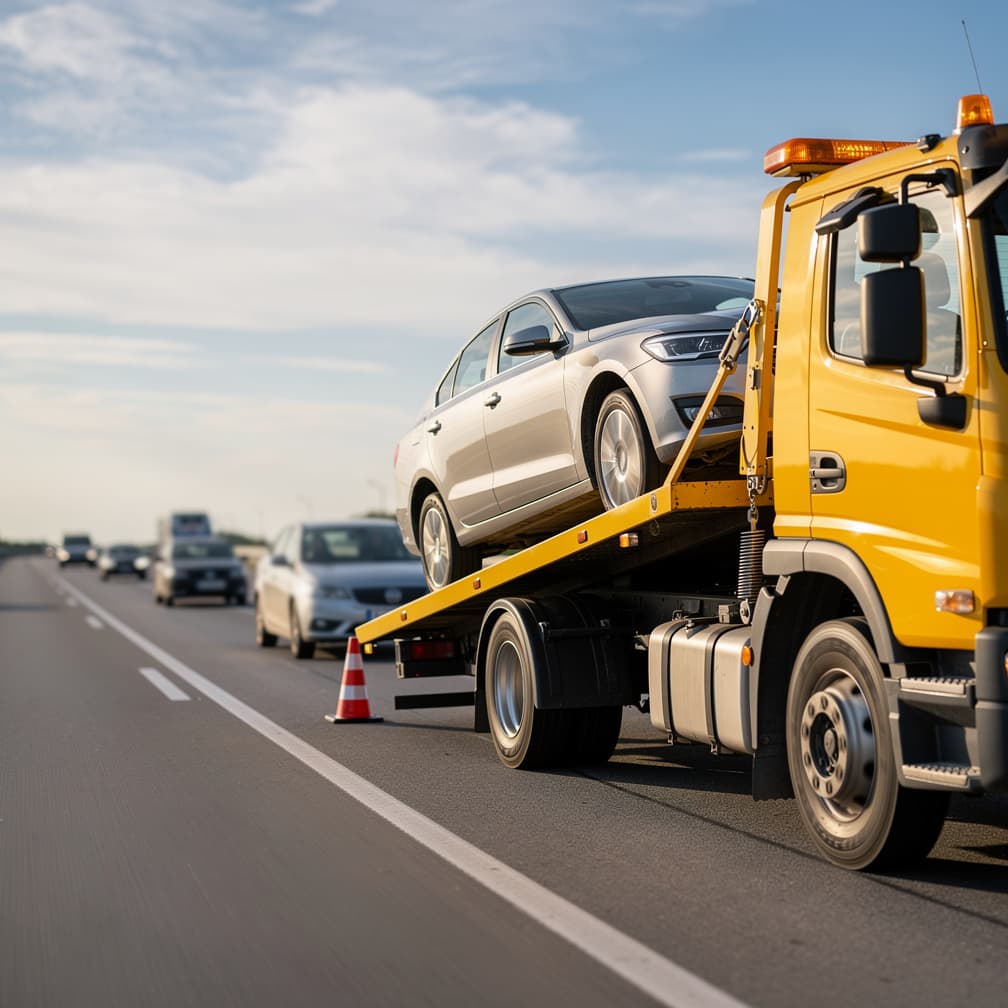
Property managers, lenders, body shops, and local contractors often want proof that a tow operator can answer for damage while a vehicle is attached before they hand over keys or authorize a move. For on hook towing insurance in Warwick, satisfying that request usually means a certificate that matches the work you actually take. That might mean apartment tows, disabled-vehicle pickups, shop transfers, or contractor equipment moves involving customer autos or light trucks. Kent County has 4,743 business establishments, and roughly one in five is a retail or construction operation likely to need towing services at some point. That density means a competitor with cleaner paperwork can edge you out of a recurring account. If your operation picks up work from property management offices, repair facilities, or commercial accounts, check that your on-hook limit, listed vehicle types, and service radius reflect the actual assignments you accept.
On-Hook Towing Insurance Risk Factors in Warwick
Warwick's top risk factors include Flooding, Hurricane damage, Coastal storm surge, and Wind damage.
Rhode Island has a moderate climate risk rating. Top hazards: Hurricane (High), Flooding (High), Nor'easter (Moderate), Coastal Erosion (Moderate). The state's expected annual loss from natural hazards is $160M, which influences on-hook towing insurance premiums and may affect coverage availability in high-risk areas.
What On-Hook Towing Insurance Covers
In practice, the useful work often means matching coverage terms to the way your company actually accepts and completes jobs across a small, dense service area. Tight parking lots, narrow streets, steep driveways, coastal weather, and after-hours dispatches can all change how damage happens and how clearly it can be documented.
For a towing operation here, the useful questions are operational. Do you handle police-requested tows, private property impounds, dealer moves, repossessions, or recovery work that involves more difficult hookups? Do you move standard passenger vehicles most of the time, or do you also take heavier pickups, vans, or specialty units that can raise the value at risk on a single call? Do your drivers use flatbeds, wheel-lifts, or both, and are your procedures different for each? Those details affect how an underwriter reads your exposure and how a claim may be evaluated later.
It also helps to review how this coverage fits with the rest of your towing program. If a customer alleges damage, the dispute may turn on timing, condition photos, dispatch notes, hookup method, and whether the vehicle was already compromised before the tow began. That is why many operators ask for wording and limits that fit their real job mix instead of relying on a generic description. The state regulator is the Department of Business Regulation, so if you are comparing forms or endorsements, you can verify carrier and agent licensing through their website before binding.
Coverage Included
Collision on Hook
Covers damage to towed vehicles from collisions during transport.
Comprehensive on Hook
Covers theft, fire, and weather damage to vehicles being towed.
Loading & Unloading
Covers damage during the process of loading and unloading vehicles.
Winching Coverage
Covers damage to vehicles during winching and recovery operations.
Multiple Vehicle
Covers all vehicles on multi-car carriers and rollback flatbeds.
Industries & Insurance Needs in Warwick
Kent County's business mix changes where towing demand comes from, and that matters when you set up on-hook coverage. Retail trade accounts for 13.3% of county establishments, health care and social assistance 12.5%, and construction 11.5%, so local towers often see a mixed stream of parking enforcement, customer-vehicle relocations, disabled units at care facilities, and contractor-related calls tied to active job sites. That mix can create more than one kind of attached-vehicle exposure in the same week. A retail property manager may expect quick removal from a lot, while a contractor or facility account may care more about how vehicles are transferred and documented. If your book includes several of those account types, ask for a quote that reflects the actual classes of vehicles you handle, where pickups originate, and whether your contracts require specific proof wording before work starts.
What Makes Warwick Different
Commercial account mix is what changes the calculus here. In a market where towing work can come from apartment communities, retail centers, care facilities, repair shops, and contractor relationships, the practical issue is not just carrying on-hook coverage. It is making sure the form of that coverage lines up with what local decision-makers expect to see before they hand you a job. A single mismatched certificate can cost you a recurring dispatch contract. If you rely on repeat commercial referrals, review your certificates, named insured details, covered operations language, and on-hook limits before renewal. When your paperwork is right the first time, accounts tend to stop shopping for another tow operator.
Our Recommendation for Warwick
Start with your dispatch sources, not with a generic limit. Write down where your calls actually come from, then compare that list against the vehicles you tow and the conditions under which they are attached, stored briefly, or transferred. If one account regularly sends higher-value units or stricter vendor paperwork, flag that before you shop. Warwick's median household income is $87,536, which tends to mean newer-model vehicles on the road and higher repair costs per claim. A $40,000 replacement pickup costs more to hook and transport than a $4,000 sedan, so your per-vehicle limit should reflect the higher end of what you actually move. It is also worth checking whether your certificate wording creates friction for apartment complexes or commercial clients that want proof before dispatch. Bring a recent loss run, sample service agreements, and your truck schedule into the quote process so the policy can be reviewed against real assignments, not assumptions.
Get On-Hook Towing Insurance in Warwick
Enter your ZIP code to compare on-hook towing insurance rates from carriers in Warwick, RI.
Business insurance starting at $25/mo
FAQ
Frequently Asked Questions
Property managers, repair shops, lenders, and contractors may want a certificate before releasing a vehicle or assigning a move, especially when the tow is tied to a vendor agreement or account instructions.
Warwick sits in Kent County, where the mix of retail, health care, and construction businesses means your calls may range from lot removals to facility transfers and contractor-related pickups. That variety matters because each job type can carry different damage exposures while the vehicle is on your truck.
Retail, health care, and construction are leading county sectors, so a single account might send you everything from a parked sedan to a loaded contractor trailer. Your limit should be high enough to cover the most valuable unit you realistically expect to hook, not just the average car.
Warwick buyers often should. Higher household incomes generally translate to newer vehicles with higher replacement values than you might see in lower-income markets. A newer vehicle means a single damage claim can run into five figures, which makes your per-unit limit the number that matters most.
Rhode Island towing contracts often require proof of coverage before work starts, especially for municipal, lender, auction, or motor club relationships. Review the certificate request against your actual services so the policy and paperwork match the jobs you accept.
Insurance oversight runs through the Department of Business Regulation. You can verify carrier and agent licensing through their website, and if you need to file a complaint about policy forms or claim handling, their insurance division is the point of contact.
Operators should not assume a smaller territory means a lower quote. Short local tows can still involve tight access, difficult hookups, coastal weather, and higher-value vehicles, so underwriters usually focus on job type and documentation quality.
Repossession and impound work often needs a separate review because the claim pattern can differ from routine roadside towing. Ask the quoting agent to rate your actual service mix instead of folding every job type into one generic description.
Sources
- 1.U.S. Census Bureau, County Business Patterns, Kent County(Kent County has 4,743 business establishments, so there are a lot of commercial relationships where a vendor packet, service agreement, or lender instruction can turn on clean proof of coverage before the job is released.; Retail trade accounts for 13.3% of county establishments, health care and social assistance 12.5%, and construction 11.5%, so local towers often see a mixed stream of parking enforcement, customer-vehicle relocations, disabled units at care facilities, and contractor-related calls tied to active job sites.)
- 2.U.S. Census Bureau, ACS 5-Year Estimates, table B19013(Warwick's median household income is $87,536, so customer vehicles here may justify a closer look at whether your current on-hook limit still fits the value of the autos and light trucks you are asked to move.)
Updated July 16, 2026