







































Updated July 5, 2026

Dealer Open Lot Insurance in Charleston
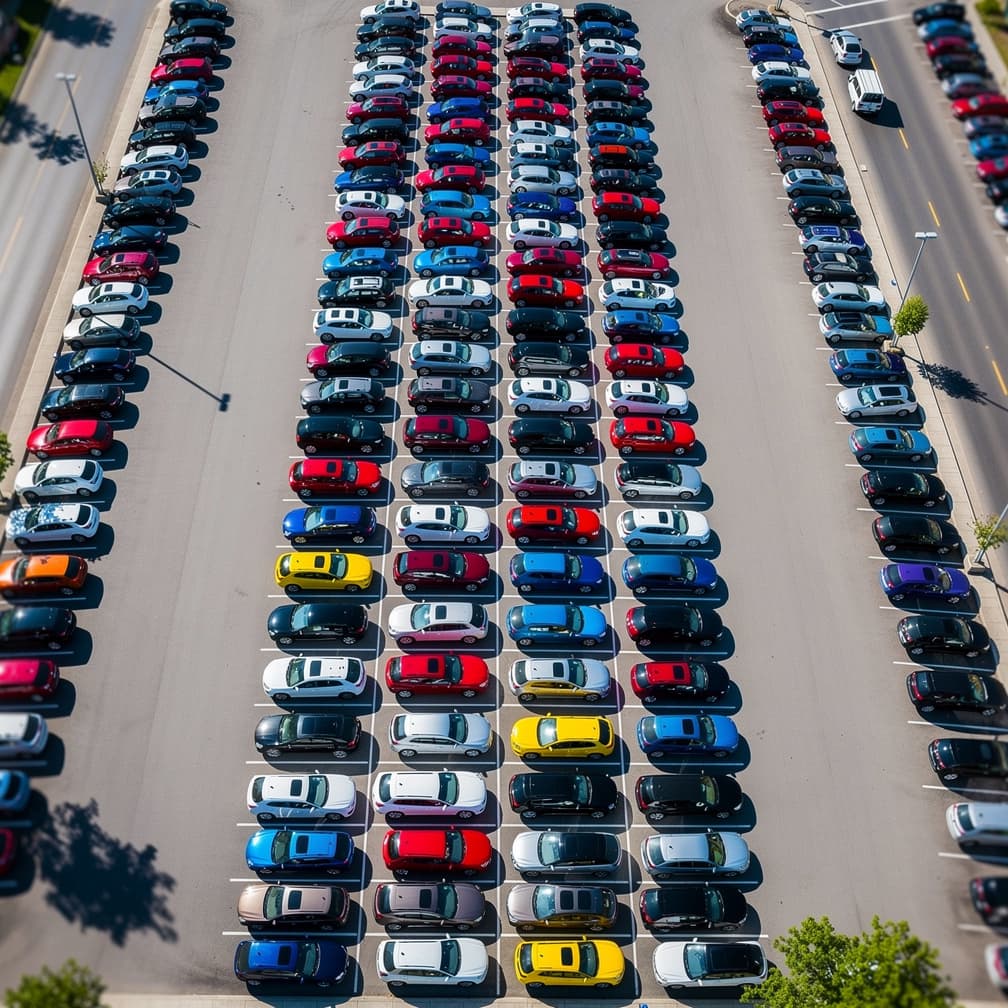
A local dealer usually starts shopping this coverage when a lease is signed near a main corridor, an overflow storage arrangement comes together, or seasonal inventory begins stacking up before a sales push. Dealer open lot insurance in Charleston gets more specific at that moment because your exposure is often less about a single fenced row of vehicles and more about where units sit between delivery, detailing, test-drive readiness, and overflow parking. Here, low-lying parcels, older commercial sites, and mixed-use corridors can change how quickly you can move inventory if weather turns or access tightens. That makes location scheduling, lot layout, and off-site storage details worth reviewing before you bind coverage. Charleston also sits inside a county with active commercial land use, so nearby retail, service, and hospitality activity can make frontage, parking pressure, and temporary storage decisions more operationally important than they look on paper. If your inventory moves between a primary lot, a prep area, and a secondary address, ask for a quote built around every place vehicles are actually kept and how fast staff can relocate them.
Dealer Open Lot Insurance Risk Factors in Charleston
**Low-lying coastal geography** is the local issue that changes this purchase most. For an open lot, the question is not just whether weather reaches the property, but how quickly staff can move units, which rows are hardest to access first, and whether overflow spaces sit at a lower elevation than the main frontage. In a market like this, you should map where inventory is parked during normal weeks and during heavy weather watches, then compare that plan against the addresses and storage descriptions on your quote request. If you use more than one parcel, note which locations hold your highest-value units, which ones are unpaved or tightly stacked, and where transport bottlenecks could slow relocation. That kind of operational detail helps you review limits and location scheduling with fewer assumptions.
South Carolina has a high climate risk rating. Top hazards: Hurricane (Very High), Flooding (High), Severe Storm (High), Tornado (Moderate). The state's expected annual loss from natural hazards is $1.4B, which influences dealer open lot insurance premiums and may affect coverage availability in high-risk areas.
What Dealer Open Lot Insurance Covers
South Carolina lot exposure often turns on where inventory sits during ordinary operations, not just on the main display line. A useful policy review looks closely at vehicles parked on gravel overflow areas, units staged behind the building for reconditioning, and inventory temporarily kept at a secondary storage address. Those details matter because a claim can hinge on whether the location, use, and handling of the vehicles match what the underwriter expected.
You should also review how the policy treats inventory during routine dealership movement. That includes vehicles being repositioned around the lot, moved between nearby storage areas, or handled during service, detailing, and sale preparation. If your operation uses multiple addresses, ask whether each site is scheduled correctly and whether any sublimits or conditions apply away from the primary lot.
Ask how the form responds to wind, hail, falling objects, water-related damage, theft after a storm, and vandalism during a temporary closure. If you keep higher-value units in exposed rows, request a conversation about valuation, reporting, and any protective safeguards the carrier expects.
Compare quotes line by line, then ask your agent to explain any exclusions, location limitations, and claim reporting duties before binding coverage.
Coverage Included

Weather Damage
Covers hail, wind, flood, and storm damage to lot inventory.
Theft Protection
Covers vehicles stolen from your lot.

Fire Damage
Covers fire and explosion damage to inventory vehicles.

Vandalism
Covers intentional damage to vehicles on your lot.
Test Drive Coverage
Covers vehicles during customer and employee test drives.
Transit Coverage
Covers vehicles being moved between lot locations.
What Makes Charleston Different
Location complexity is what changes the calculus here. In many places, a dealer can think about one lot, one address, and one routine. Around Charleston, the harder question is often where inventory actually spends time during the week. A unit may arrive, wait for prep, move to a display line, then shift again if space gets tight or weather is approaching. That matters because dealer open lot coverage is reviewed against the real storage pattern, not the simplified version you use internally. Commercial land use is busy enough that overflow arrangements, shared parking realities, and secondary storage decisions can become part of normal operations rather than rare exceptions. If your setup depends on borrowed space, back-lot parking, or a separate reconditioning address, treat those details as underwriting facts and bring them into the quote conversation early.
Our Recommendation for Charleston
Start with a location audit, not a limit discussion. List every address where vehicles are kept, even briefly, and separate primary display inventory from overflow, service-hold, and recently delivered units waiting for front-line placement. Then review how your team responds when weather is approaching: who has keys, which rows move first, and whether transport equipment or staffing slows the plan. If your buyer profile leans toward higher-value retail demand, Charleston's median household income of $90,038 is a useful reminder to check whether your peak on-lot values rise faster than your last renewal assumed. That does not set your premium by itself, but it can change how much inventory value is exposed on a given weekend or sales event. Before you buy, ask the agent to walk through unsold inventory values by location, temporary storage practices, and any seasonal buildup that could leave your reported exposure understated.
Get Dealer Open Lot Insurance in Charleston
Enter your ZIP code to compare dealer open lot insurance rates from carriers in Charleston, SC.
Business insurance starting at $25/mo
FAQ
Frequently Asked Questions
Charleston dealers should disclose every place unsold vehicles are stored, including prep yards and overflow spaces. Here, inventory often moves between addresses during normal operations, so leaving out a location can create problems when you review limits, scheduling, or a later claim.
Charleston locations near low-lying areas should prompt a closer review of lot layout, relocation timing, and where high-value units are parked first. The local issue is operational: how fast your staff can move inventory, and whether secondary storage sits in a more exposed spot.
Charleston County has 15,484 business establishments, so commercial space can be tight and inventory may spill into secondary or shared-use areas. That makes it important to quote the way vehicles are actually stored, not just the main sales-lot address.
Charleston's median household income is $90,038, which can support stronger demand for higher-value retail units. If your mix has moved upmarket, review peak inventory values before renewal so your limit tracks what is actually sitting on the lot.
Charleston dealers with inventory moving between display, prep, and overflow areas should not assume one simple limit solves every issue. Ask how the policy treats multiple storage patterns and whether each address and peak value is reflected accurately.
Yes. List every place inventory is stored or staged, including overflow and temporary holding areas. Undisclosed locations are where claim disputes often start, because the carrier may question whether the loss happened at an address they actually agreed to cover.
State weather can turn one event into damage across multiple units, so carriers usually care about lot layout, drainage, wind exposure, and how quickly inventory can be moved. Ask specifically how your policy handles storm-related loss scenarios at each scheduled location.
Insurance oversight runs through the state insurance department. That matters when you review policy forms, complaint options, and market conduct questions, so keep that in mind if you need to escalate an unresolved coverage or claims concern.
Sources
- 1.U.S. Census Bureau, County Business Patterns, Charleston County(Charleston County has 15,484 business establishments, so commercial space can be tight and inventory may spill into secondary or shared-use areas.)
- 2.U.S. Census Bureau, ACS 5-Year Estimates, table B19013(Charleston's median household income is $90,038, which can support stronger demand for higher-value retail units.)
Updated July 5, 2026





