







































Updated July 16, 2026

Inland Marine Insurance in Charleston
If your business moves valuable property through the area, the real question is how that property travels between a port city's job sites, storage areas, and installation points. The local cost of living index of 105 means your rent, payroll, and supplier invoices run about 5% above the national baseline, so replacing stolen or damaged equipment out of pocket could strain cash flow more than it would in a cheaper market. With a median household income of $62,351, your customers have typical regional spending power, which means a single lost tool shipment can eat into margins that are already tight. A contractor staging materials near the harbor or a service firm driving between the peninsula and surrounding neighborhoods faces the same practical issue. The property is only protected if the policy matches where it actually goes. Roughly 4,500 business establishments are concentrated in healthcare, retail, hospitality, manufacturing, and construction, which means a large share of the local economy depends on gear that travels rather than inventory that stays put. That is why a policy here often starts with a map of your routes, job sites, and storage points before anyone talks about limits or deductibles.
Inland Marine Insurance Risk Factors in Charleston
Charleston’s risk profile matters because **26% of the area sits in flood zones**, and the listed top risks include flooding, hurricane damage, coastal storm surge, and wind damage. For inland marine insurance, that means carriers may pay close attention to where tools, equipment, and materials are parked, staged, or stored between uses. Mobile property that sits near the coast, travels through low-lying areas, or waits in temporary storage can face more underwriting scrutiny than similar property in a less exposed city. The city’s crime index of 88 and property crime rate of 2,816.7 also make theft-related storage practices important when you are buying tools and equipment insurance in Charleston or mobile business property insurance in Charleston. If your business depends on loading, unloading, or short-term staging, those details can affect how a policy is structured. The biggest local issue is not just movement, but exposure during those in-between moments.
South Carolina has a high climate risk rating. Top hazards: Hurricane (Very High), Flooding (High), Severe Storm (High), Tornado (Moderate). The state's expected annual loss from natural hazards is $1.4B, which influences inland marine insurance premiums and may affect coverage availability in high-risk areas.
What Inland Marine Insurance Covers
In South Carolina, inland marine insurance can help cover business property that is mobile, in transit, at a work site, or stored temporarily away from your main premises. That can include tools and equipment, goods in transit, contractor's equipment, installation floater exposures, and builders risk coverage for certain projects, depending on the policy form and endorsements. The state does not set a special inland marine minimum like it does for some other lines, but the South Carolina Department of Insurance regulates the market, so policy terms, limits, deductibles, and endorsements differ by company and by business class.
Because South Carolina has elevated hurricane risk, high flooding exposure, and frequent severe storm declarations, carriers may pay close attention to where property is stored, how often it moves, and whether it is kept in short-term storage near coastal or storm-prone areas. Coverage can also differ for property at customer locations, on active work sites, in transit between counties, or in storage before installation. As with any policy of this type, you should confirm what perils are covered, what exclusions apply, and whether your policy includes theft, damage, vandalism, or other covered losses while property is away from your primary business location. Businesses should also verify whether endorsements are needed for specialized tools, rented equipment, or installation materials used on South Carolina projects.
Coverage Included
Tools & Equipment
Can help repair or replace hand tools, power tools, and gear that are stolen or damaged on the job or in transit.

Goods in Transit
May cover products, materials, and merchandise while they are being shipped or hauled between locations in your care.
Contractors Equipment
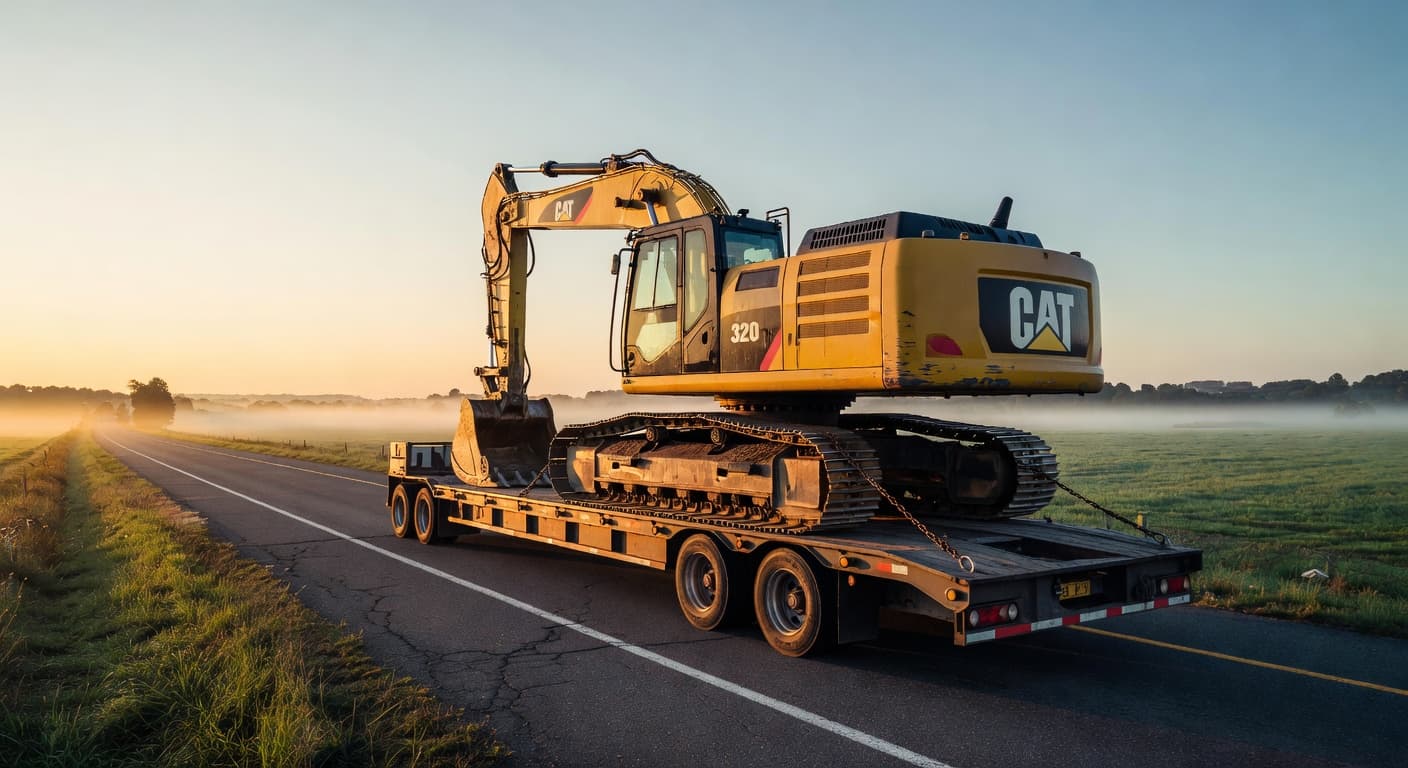
Typically covers heavy machinery like excavators, loaders, and generators against theft or damage at job sites and between them.

Installation Floater
Can help cover materials and fixtures from the moment you buy them until they are installed and accepted at a project.
Builders Risk
May cover a structure under construction, along with materials on site, against damage from fire, wind, theft, and vandalism.
Inland Marine Insurance Cost in Charleston
Average Cost in South Carolina
$20 - $100
per month
Businesses in South Carolina typically see inland marine insurance premiums of $20 - $100 per month, which tends to run close to the national range of $20 - $100 per month.
- Total insured value of the scheduled property
- Type and age of the equipment
- Where it is stored and how far it travels
- Jobsite security and theft prevention
- Per-item limits and deductibles
- Prior theft and in-transit losses
Contact CPK Insurance for a personalized quote.
Prices shown are general estimates, not guaranteed rates or quotes. Your actual premium will depend on the insurer, coverage selected, business details, location, claims history, and other underwriting factors. Learn about our pricing methodology.
For South Carolina businesses, premiums for this product vary depending on the risk profile and carrier. South Carolina's premium index is 102, which means you can expect pricing slightly above the national average, though not dramatically so. Location is a major factor because hurricane exposure, flooding, and severe storm history can influence how carriers price mobile property that travels through coastal counties, inland work sites, and short-term storage locations. Coverage limits and deductibles also shape cost, along with claims history, industry or risk profile, and policy endorsements.
A contractor moving tools between Charleston, Columbia, and Greenville may see different pricing considerations than a business that keeps equipment in one inland warehouse. The state's market is competitive, with several major carriers active and underwriting appetites that differ meaningfully. South Carolina has 126,400 businesses, 99.5% of which are small businesses. For you as a buyer, that means insurers have built products for operations like yours, so you are not forced into a policy designed for large standardized fleets. If your business works in construction, retail delivery, manufacturing support, or service work, the carrier may ask about where the property is kept overnight, how often it is transported, and whether it is exposed at active work sites. Those details can move the final premium up or down.
What Makes Charleston Different
The biggest local factor is the combination of coastal exposure and active property movement. A business here is often insuring items while they are being staged, transported, or stored in places affected by flooding, storm surge, wind, or theft. That changes the insurance calculus because the policy has to fit both the route and the destination. A tool box or piece of equipment may spend as much time in transition as it does at your main premises. Charleston's 26% flood-zone footprint puts more than a quarter of the city in areas where water damage is a real possibility during staging or transit. Property crime runs well above the national average, leaving gear in a truck bed or staging area overnight at a measurably higher risk of disappearing. For buyers, the most useful question is whether the policy follows the property through the real workday rather than simply insuring a fixed inventory list.
Our Recommendation for Charleston
Begin by tracing a typical week for your gear, noting every stop it makes between your shop and the final job site. Your truck, the customer's location, a staging area, and temporary storage all count as places where property can be lost or damaged, so each one shapes the coverage you should compare. Separating tools, equipment, and materials by replacement cost shows where your exposure is highest. If you do installation work, ask whether your policy applies before, during, and after the install. If your projects involve staged materials, ask how those items are handled while they wait for use. The higher-than-average cost of living and notable flood-zone footprint mean you should choose deductibles and limits that fit both your replacement costs and your cash flow. Also ask how theft, loading, unloading, and temporary storage are treated, since those are common pressure points for mobile property here. A quote is most useful when it reflects your actual routes and storage habits rather than a generic business profile.
Get Inland Marine Insurance in Charleston
Enter your ZIP code to compare inland marine insurance rates from carriers in Charleston, SC.
Business insurance starting at $25/mo
FAQ
Frequently Asked Questions
Focus on the gaps that catch mobile-property owners off guard. Ask whether coverage applies during loading, unloading, overnight storage, and time spent at coastal staging areas, since those transitions are where most losses happen.
With 26% of the city in flood zones, carriers may look closely at where tools, equipment, and materials are stored or staged. Gear kept in a low-lying area between uses may carry different terms or higher deductibles than property stored at higher elevation.
Construction firms, service businesses, and other operators that move portable property between job sites or customer locations are the ones whose gear leaves the shop daily and faces exposure at every stop. Any company whose property travels regularly faces the same risk, regardless of industry.
Charleston's property crime rate of 2,816.7 per 100,000 residents is about 45% above the national average, which means roughly 1 in 35 residents experiences a property crime in a given year. That elevated rate translates to a greater likelihood that unsecured tools or staged materials could be stolen. Insurers may pay attention to how you lock up, alarm, or otherwise secure mobile property when it is not in use.
Gather your property values, storage locations, transport patterns, and installation or staging details ahead of time. The more specifically you can describe how your business operates day to day, the more accurate your quote will be.
It can cover tools and equipment while they are away from your fixed location, including work sites, transit between locations, and short-term storage in South Carolina, but the exact form and exclusions depend on the carrier.
Goods in transit coverage in South Carolina is designed for business property moving over land between locations, so you should confirm whether loading, unloading, and short stops are included in the policy form.
If your tools or equipment regularly move between South Carolina work sites and overnight storage, contractor's equipment insurance may be the right way to address that mobile exposure, but the storage details matter.
Updated July 16, 2026





