


































Updated July 10, 2026

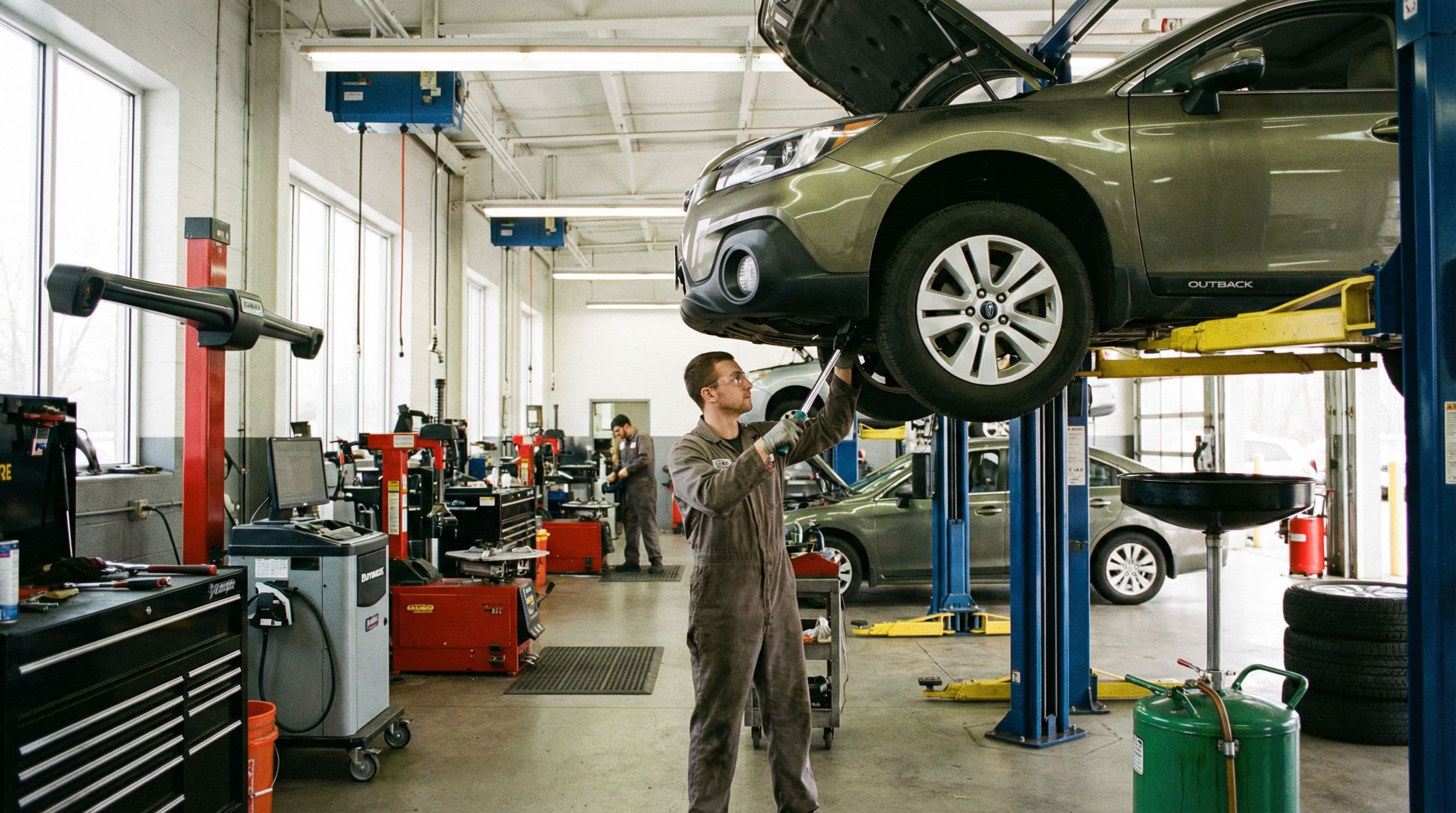
An automotive business in South Carolina takes custody of customers' vehicles, and that custody is the core exposure, because damage to a car in your care lands on you. South Carolina adds a legal floor here, because workers compensation is required once a business reaches 4 employees [1]. On top of that, hurricane risk across South Carolina shapes the property side of a quote, from deductibles to how carriers treat roofs and stock. The cost drivers below map what actually moves automotive quotes in South Carolina.
Recommended Coverage for Automotive in South Carolina
Automotive businesses face unique risks that require specific coverage types. Here are the policies most automotive operations need:

General Liability
Essential coverage for every business, protect against third-party bodily injury, property damage, and advertising claims.

Commercial Auto
Protect your business vehicles and drivers with comprehensive commercial auto coverage.

Commercial Property
Safeguard your business property, equipment, and inventory against damage and loss.

Workers Compensation
Help cover your employees' medical expenses and lost wages for work-related injuries and illnesses.
Garage Keepers
Protect customers' vehicles while they're in your care, custody, or control.

Commercial Umbrella
Extend your liability limits beyond your primary policies for extra protection against catastrophic claims.
Automotive Insurance Overview in South Carolina
Whether you run a body shop with spray booths in Charleston, a repair shop with lifts in Columbia, or a high-traffic car wash in Greenville, your operation faces exposures that generic policies miss. Those differences show up before you even add test drives, loaner cars, towing, or parts delivery. The right setup starts with matching coverage to your location, your vehicles, and the customer property you handle. South Carolina's coastal and low-lying geography also raises the stakes for weather exposure, since hurricanes, flooding, and severe storms can damage buildings, equipment, and vehicles on your lot. If you operate in a busy retail corridor, near transit routes, or in a growing metro area like Charleston, Columbia, or Greenville, your needs may shift with traffic volume, storage practices, and fleet use.
Why Automotive Businesses Need Insurance in South Carolina
Automotive businesses in South Carolina often handle third-party claims tied to customer vehicles, visitors on the premises, and business-owned vehicles used for service, towing, or deliveries. If a customer car is damaged while in your care, garage keepers insurance may be central to managing vehicle damage, legal defense, and potential settlements. If your operation uses service vans, loaner vehicles, or tow trucks, your commercial auto insurance should match that real-world use rather than a generic vehicle list.
South Carolina's regulatory environment shapes what you need to carry. The state requires workers compensation for businesses with 4 or more employees, with exemptions for sole proprietors, partners, agricultural workers, and railroad employees. That makes payroll size and staffing mix important for shops in places like Columbia, Charleston, Myrtle Beach, Spartanburg, and Greenville. The state also sets commercial auto minimums at $25,000/$50,000/$25,000. Many automotive businesses need to review whether those limits are enough for bodily injury, property damage, and lawsuit exposure based on their operations.
Weather is another key issue. For dealerships, body shops, tire shops, and car washes, a single hurricane or flood event can mean building damage, equipment breakdown, and weeks of lost revenue. South Carolina has 380 insurers and a high concentration of small businesses. That means carriers can afford to be selective, so the best fit usually comes from aligning your coverage limits and umbrella protection to the size of your lot, service bays, waiting areas, and customer traffic.
South Carolina requires workers' comp for businesses with 4+ employees (exemptions may apply: Sole proprietors; Partners). Non-compliance can result in fines and personal liability for owners. Commercial auto minimums are $25,000/$50,000/$25,000.
Key Risks for Automotive Businesses
Each of these risks can lead to claims that cost thousands, or more. Make sure your policy addresses every one:
- Vehicle damage while in your care
- Customer injury on premises
- Environmental contamination
- Employee workplace injuries
- Property and equipment damage
Cost Factors for Automotive Businesses in South Carolina
Automotive insurance cost in South Carolina varies based on the type of operation, number of locations, annual revenue, payroll, vehicle count, and the value of customer vehicles handled on-site. A large Charleston dealership, a Columbia repair shop with multiple lifts, and a high-traffic Greenville car wash will each produce a different quote. Specialty equipment like paint booths, tire machines, compressors, and diagnostic scanners can also affect what you pay for property coverage.
South Carolina's premium index sits at 102, meaning rates here run slightly above the national baseline. For your budget, that means padding an extra margin into your annual insurance planning rather than expecting average national prices. The market includes 380 insurers, so quoting can vary widely by carrier, location, and class of business. Automotive operators represent a 5% small business share. In practical terms, you are competing for carrier attention in a crowded field of small operations, which makes a clean claims history and clear documentation especially valuable. Local operating conditions in coastal counties, inland metro areas, and high-traffic corridors can influence exposure, especially where storm and flood history is a factor.
Your claims history, safety protocols, and employee training can all change the final quote, as can the specific mix of coverage types you request. Before you request pricing, gather a clear summary of your location, vehicle count, service mix, and equipment values. To put a number on it, the general liability that most automotive businesses treat as their base policy averages about $95 to $370 per month in South Carolina. Payroll, revenue, and the exposures specific to your work drive where you land in that range.
Automotive businesses typically carry several separately priced policies. The ranges below are typical figures for South Carolina for each line, except workers compensation, which is rated per $100 of payroll; a quote prices each one against your own operations.
| Coverage | Typical range | What moves your price |
|---|---|---|
| General Liability Insurance | $95 - $370 per month | Industry and risk classification, annual revenue, number of employees |
| Commercial Auto Insurance | $220 - $825 per month | Fleet size and vehicle types, driver records and experience, coverage limits and deductibles |
| Commercial Property Insurance | $190 - $800 per month | Building value and construction type, roof age and condition, fire protection class |
| Workers Compensation Insurance | $0.75 - $2.74 per $100 of payroll | Employee classification codes, total annual payroll, experience modification rate |
| Garage Keepers Insurance | Varies | Quoted individually based on your operations and limits |
| Commercial Umbrella Insurance | $80 - $320 per month | Umbrella limit requested, limits carried on the underlying policies, loss history on those underlying policies |
Prices shown are general estimates, not guaranteed rates or quotes. Your actual premium will depend on the insurer, coverage selected, business details, location, claims history, and other underwriting factors. Learn about our pricing methodology.
State Requirements
Insurance Regulations in South Carolina
Key regulatory requirements for businesses operating in SC.
Regulatory Authority
Workers' Compensation InsuranceRequired
Required for employers with 4+ employees.
Exempt categories
- Sole proprietors
- Partners
- Agricultural workers
- Railroad employees
Commercial Auto Minimum Liability
$25,000/$50,000/$25,000 (bodily injury per person / per accident / property damage)
Source: South Carolina Department of Insurance, U.S. Department of Labor
What Drives Automotive Insurance Costs in South Carolina
Vehicles in your care
Damage to a customer's vehicle in your custody typically needs garagekeepers coverage, which sits alongside general liability insurance rather than inside it.
The shop floor
Lifts, fluids, and compressed air make shop injuries a steady workers compensation insurance exposure. Fluid disposal adds environmental liability that standard policies typically exclude.
Hurricane and wind
Wind and hail losses set property deductibles here, and carriers may quote storm damage under its own separate deductible. On coastal placements the exclusions vary more between quotes than the price does, so compare the wind and named-storm wording as closely as the premium.
Payroll and workers compensation
Payroll is the base on which workers compensation premiums are computed, class code by class code. Over time an experience modifier scales the premium against the operation's own claim record, so early safety practices show up in the rate later.
Climate Risk Profile
Natural Disaster Risk in South Carolina
Understanding climate-related risks helps determine appropriate insurance coverage levels.
Hurricane
Very High
Flooding
High
Severe Storm
High
Tornado
Moderate
Expected Annual Loss from Natural Hazards
$1.4B
estimated economic loss per year across South Carolina
Source: FEMA National Risk Index
Insurance Tips for Automotive Business Owners in South Carolina
If you regularly store or repair customer vehicles, ask about garage keepers coverage and confirm whether it responds to collision, comprehensive, or both.
Match your commercial auto policy to how you actually use vehicles day to day, whether that means test drives, shuttle runs, towing, or parts delivery.
Review garage liability for third-party claims tied to service bays, waiting areas, slick floors, and customer-accessible work zones.
Check whether your general liability reflects customer injury exposure at the front counter, showroom, wash bay, or vehicle drop-off area.
Make sure your property policy includes replacement cost for lifts, diagnostic scanners, tire machines, compressors, and other specialty equipment.
Ask about protection for storm damage, flooding, vandalism, and theft, particularly if your location is coastal or flood-prone.
If your shop has four or more employees, confirm workers compensation meets South Carolina requirements and fits your payroll, job duties, and safety training programs.
Consider umbrella coverage and higher limits if your operation handles multiple vehicles, higher traffic, or larger claims potential tied to legal defense and settlements.
Get Automotive Insurance in South Carolina
Enter your ZIP code to compare automotive insurance rates from top carriers.
Business insurance starting at $25/mo
Automotive Business Types in South Carolina
Find insurance tailored to your specific automotive business. Select your business type for coverage recommendations, pricing, and quotes:

Auto Mechanic Insurance
Get coverage built for auto repair shops, from garage liability insurance to garage keepers coverage and commercial property insurance for auto shops. Request an auto mechanic insurance quote tailored to your bays, vehicles, tools, and location.

Towing Company Insurance
Protect tow trucks, customer vehicles, and roadside jobs with coverage built for towing operations. Request a towing company insurance quote tailored to your work, routes, and fleet size.

Auto Dealership Insurance
Get an auto dealership insurance quote built around lot liability, inventory, test drives, and property exposure. Coverage can be tailored for franchise stores, used car lots, and mixed operations.

Auto Tire Shop Insurance
Get an auto tire shop insurance quote built for tire installation, balancing, repair, and customer vehicle exposure. Coverage can be tailored for garagekeepers liability, property, and employee injury needs.

Auto Body Shop Insurance
Get an auto body shop insurance quote built around customer vehicles, paint booth exposure, shop property, and employee-related risks. Coverage options can be tailored for multi-bay shops, independent body shops, and collision repair shops that store vehicles on-site.

Auto Parts Store Insurance
Get an auto parts store insurance quote built around your counter sales, inventory storage, and store property. Coverage options can be tailored to your location, operations, and risk profile.

Car Wash Insurance
Get a car wash insurance quote tailored to your operation, from automated bays to self-service and full-service locations. Compare liability, property, and bundled coverage options.

Oil Change Station Insurance
Get an oil change station insurance quote built for quick-lube operations, customer vehicles, hazardous fluids, and shop property. Compare coverage options for one location or multiple bays.
Automotive Insurance by City in South Carolina
Insurance rates and requirements can vary by city. Find automotive insurance information for your area in South Carolina:
FAQ
Automotive Insurance FAQ in South Carolina
Coverage varies by policy, but South Carolina automotive businesses often look at liability, property damage, vehicle damage while in your care, customer injury, and business interruption. The right mix depends on whether you run a dealership, repair shop, body shop, tire shop, or car wash.
Be ready to share your location, number of employees, annual revenue, vehicle count, services offered, and the value of customer vehicles and equipment on-site. That helps shape the right combination of liability, property, and auto coverage for your operation.
Pricing can vary based on operation type, number of locations, payroll, claims history, vehicle use, equipment values, and local storm and flood exposure. State market conditions and carrier appetite can also affect the quote.
South Carolina requires workers compensation for businesses with 4 or more employees, with certain exemptions. The state's commercial auto minimums are $25,000/$50,000/$25,000, but your operation may need higher limits depending on vehicles, customers, and risk exposure.
If you store, park, or repair customer vehicles, garage keepers insurance is often an important consideration. It can help address vehicle damage claims while the vehicle is in your care, subject to the policy terms you choose.
Many automotive businesses use a package approach, but the right structure depends on your operations. A quote can combine general liability, commercial property, commercial auto, garage keepers, workers compensation, and umbrella coverage as needed.
Tire shops and car washes often focus on customer injury, property damage, equipment breakdown, storm damage, and business interruption. If you handle customer vehicles or use service vehicles, garage liability insurance and commercial auto insurance may also matter.
Garage keepers sits alongside the standard commercial set here, because customer vehicles in your care are the exposure that separates a shop from most other businesses. General liability, property, workers compensation, and commercial auto handle the premises, tools, staff, and road tests, with an umbrella considered as limit requirements grow.
Sources
- 1.South Carolina Department of Insurance(South Carolina requires workers compensation coverage once a business reaches 4 employees.)