Updated July 16, 2026

Key Takeaways
- Review your construction contract before requesting a quote, so the named insureds and insurance responsibility match the job documents.
- Prepare the project budget, timeline, address, and scope summary before applying, so the quote reflects the work actually being built.
- Check whether the policy addresses on-site materials, transit, temporary structures, and soft costs before the first delivery arrives.
- Compare the policy term against your realistic completion schedule, then ask about extension options before the original term gets close to expiring.
- Map builders risk against your liability, installation, and equipment policies, so you avoid both coverage gaps and overlapping property insurance.
Builders Risk Insurance in South Carolina
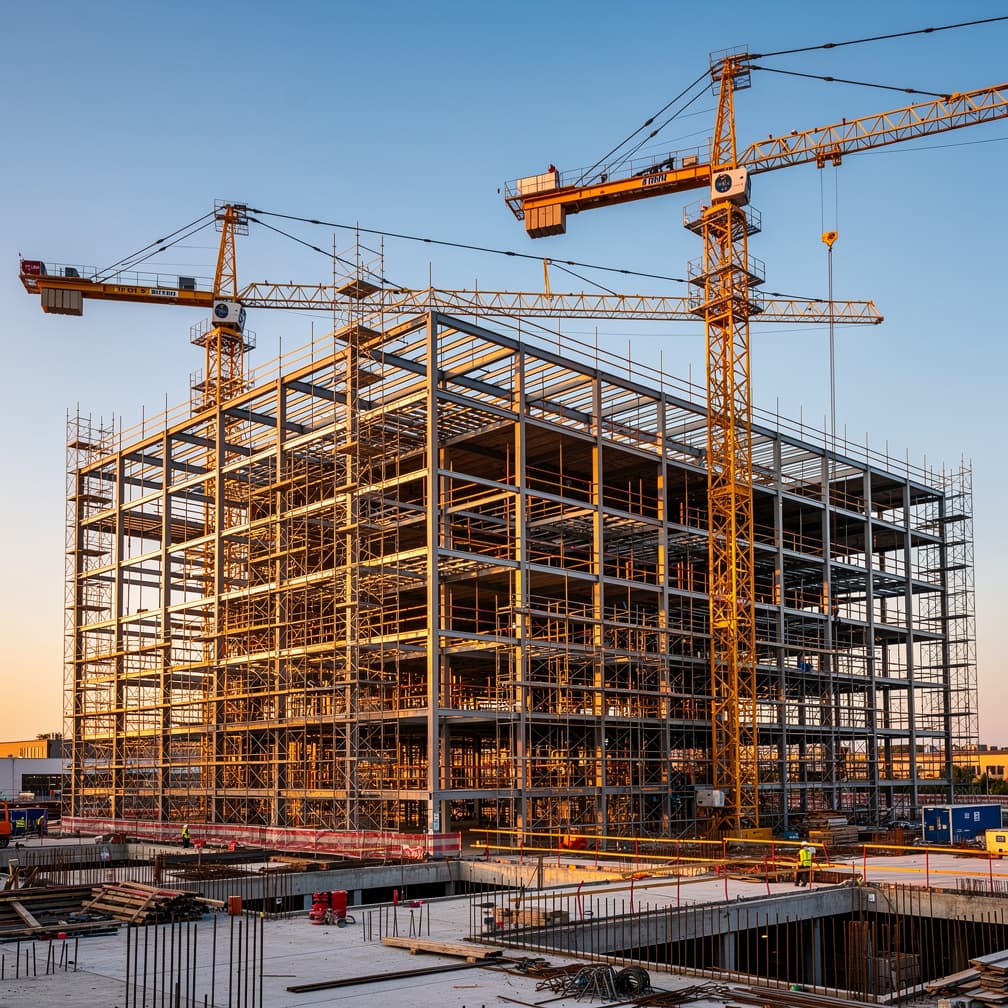
The surprise gap with builders risk is often not the frame or shell but everything around the job that can stall the schedule after damage hits. In South Carolina, that matters because projects can face coastal weather, inland wind and rain, and moisture issues that affect materials before they are permanently installed. If your contract pushes risk to you but your policy schedule, covered property list, and soft cost options do not match the job, you can end up paying to restart work while loan draws, subcontractor timing, and owner expectations keep moving. That is why this coverage should be reviewed against the site, the build method, and the contract requirements before work begins. You want the policy to track how materials are stored, when they arrive, who has an insurable interest, and what delay-related expenses would hurt most if a covered loss interrupts the project. Start by lining up the construction agreement, project budget, and delivery schedule so the quote reflects the real exposure, not a generic build.
What Builders Risk Insurance Covers
Projects here often need a closer look at where property sits before installation and how it moves through the job. A coastal custom home, an inland retail build, and a renovation in a humid corridor do not present the same exposure if materials are delivered early, stored off site, or staged in partially enclosed areas. If the project depends on long-lead items, imported finishes, custom millwork, mechanical equipment, or owner-supplied materials, ask for those categories to be reviewed specifically instead of assuming they fit cleanly inside a broad description.
You should also match the policy to the actual construction path. A ground-up project may need different attention than a major renovation where existing portions of the structure remain in use. If the site has temporary fencing, scaffolding, construction forms, or borrowed equipment that creates a bottleneck after a loss, ask what property is included and what is not. The same applies to debris removal, pollutant cleanup concerns after damage, and temporary protection measures used to keep water out while the building envelope is incomplete.
If the owner, general contractor, and lender all have a stake in the work, confirm how each party should be shown and whether the policy form aligns with the agreement. Buyers should also review whether delay-related expenses deserve attention, especially when a missed completion date affects financing, lease-up, or a planned opening. The practical move is to build a coverage checklist from the schedule of values, procurement list, and contract exhibits, then compare that checklist to the quote line by line.

Structure Coverage
Covers the building or structure under construction.

Materials on Site
Covers building materials stored at the construction site.

Materials in Transit
Covers materials being transported to the job site.
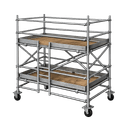
Temporary Structures
Covers scaffolding, fencing, and temporary buildings.

Soft Costs
Covers additional expenses from construction delays due to covered losses.

Equipment Coverage
Covers permanently installed fixtures and equipment.
Builders Risk Insurance Requirements in South Carolina
- Coastal and inland projects present different wind and moisture exposures, so be specific about site conditions and storage arrangements when you submit.
- Renovation jobs involving occupied or existing structures need a clear written distinction between new work and preexisting property.
- If custom materials or mechanical equipment arrive early, document where they are stored and when risk transfers under the contract.
- Lender-driven projects should be checked against loan insurance requirements so endorsements and named interests do not delay closing or draws.
How Much Does Builders Risk Insurance Cost in South Carolina?
Underwriters price these policies based on verifiable project details, not a flat monthly figure. A site near the coast may be evaluated differently from an inland location, often because wind exposure and stricter building codes can shift both eligibility and pricing. A project with open framing during wetter periods may be viewed differently from one that reaches dry-in quickly. If the build relies on expensive materials arriving well before installation, that can also change the quote because the value at risk is sitting on or off the job before it becomes part of the structure.
The cleanest way to get a usable number is to present a disciplined submission. Include the full project address, construction type, square footage, budget, start date, target completion date, and whether the work is new construction, an addition, or a renovation. Then add the details that often move pricing: distance to the coast, site security, water mitigation plans, storage arrangements, and whether the project has long-lead components that would be hard to replace after a loss. If there is a lender, include the insurance requirements from the loan documents so the quote does not have to be rebuilt later.
Deductible structure also deserves attention. A lower deductible can increase cost, but a deductible that is too aggressive can create a cash-flow problem right when the project is already delayed. The better approach is to compare options against your contingency budget and contract obligations. Ask for the quote to show how term length, valuation, covered property categories, and any delay-related options affect the premium so you can decide what is worth buying before work starts.
Request a Quote Comparison
Enter your ZIP code to compare builders risk insurance rates from top carriers.
Business insurance starting at $25/mo
Who Needs Builders Risk Insurance?
Parties who would absorb the financial hit if covered property is damaged mid-project should review this coverage. That may include an owner building a primary residence, a developer putting up a commercial property, a general contractor taking on contractual responsibility for the work, or an investor renovating a structure for resale or lease.
Owners should review it when they are funding the work directly or when the lender expects evidence that the project is insured during construction. General contractors should review it when the agreement shifts responsibility for the work in place, temporary structures, or materials waiting to be installed. Subcontractors may not be the named buyer, but they still need to know whether their materials, fabricated components, or stored items are included under the project policy or left to their own inland marine or installation coverage.
Renovations deserve special attention because the exposure is not always limited to new work. If a project ties into an existing structure, a loss can create disputes over what belongs to the renovation scope and what belongs to the preexisting building. That is especially important for occupied properties, phased work, and historic or custom elements that are harder to replace. If you are the party signing the contract, advancing funds, or depending on the completed project to open on time, you should review builders risk before permits, deliveries, and draw schedules lock in obligations that are harder to change later.
Builders Risk Insurance by City in South Carolina
Builders Risk Insurance rates and coverage options can vary across South Carolina. Select your city below for localized information:
How to Buy Builders Risk Insurance
Buying correctly starts with collecting the documents that define the risk, then checking whether the insurance request matches them. Pull the construction contract, lender requirements, project budget, schedule of values, site address, plans summary, and target completion date. Then identify who must be named, what property needs to be included, and whether the policy should address materials in transit, off-site storage, temporary works, or delay-related expenses. If those items are not clear before quoting, the policy can bind with gaps that only show up after a loss.
Next, describe the site the way an underwriter would want to see it, covering whether the project is coastal or inland, whether the work is new construction or renovation, how the site is secured, when the building is expected to be dried in, and where high-value materials will be stored before installation. If the project has unusual features, such as custom finishes, imported components, phased occupancy, or owner-supplied equipment, put that in writing early.
The South Carolina Department of Insurance is the state regulator, so policy forms, producer licensing, and complaint handling sit in that framework. For the buyer, the practical step is simpler. Verify that the quote names the right parties, reflects the real completed value, and matches the project timeline. Ask for a specimen or summary of key terms and compare it against your contract exhibits, lender checklist, and procurement plan. Request a quote through CPK Insurance to compare your options with participating licensed providers.
How to Save on Builders Risk Insurance
The best savings come from reducing uncertainty in the submission and avoiding preventable claim drivers, not from stripping the policy down to the point that it fails the contract. Start with a precise completed value and a realistic timeline. If the budget is understated or the completion date is too optimistic, the quote may look cleaner at first but become more expensive to fix later through endorsements, extensions, or claim disputes.
Site controls can also help. If materials are vulnerable to water damage before installation, explain how they will be stored, elevated, wrapped, and monitored. If theft is a concern, document fencing, lighting, locked storage, delivery timing, and who controls access after hours. A project with clear security and material handling procedures is easier to evaluate than one with vague answers.
Another way to control cost is to avoid buying mismatched terms, so if the contract only requires certain parties and certain categories of property, do not assume broader wording is automatically necessary. At the same time, do not cut options that protect the schedule if a delay would be financially painful. Compare the premium impact of deductible choices, term length, and optional coverages against your contingency budget and financing deadlines.
Finally, keep the submission organized. One complete package usually produces a better result than multiple partial updates. Then ask the agent to identify which assumptions are driving the quote so you can improve those inputs instead of shopping blind.
Our Recommendation for South Carolina
Review the job the way a claim would unfold, not the way a brochure describes coverage. Start with water, wind, and storage exposure. If materials can sit on site before the building is dried in, ask how those items are being valued and whether the storage arrangement is actually included in the quote.
Next, test the contract against the policy draft. Confirm who must be named, whether the lender has special wording requirements, and whether the policy term realistically carries the project through punch-out and closeout. A term that ends too early can create a scramble if the schedule slips.
For renovations, separate the new work from the existing structure on paper, which helps avoid confusion over what property is part of the insured project and what should sit elsewhere. For custom homes and higher-end commercial work, flag long-lead materials and owner-supplied items early so they are not treated as an afterthought.
Finally, use the quote process to force a better project checklist. Gather the schedule of values, procurement list, delivery plan, and contract insurance requirements in one file, then ask for the quote to be reviewed against that file before the first major delivery arrives.
FAQ
Frequently Asked Questions
The responsibility usually sits in the construction contract or loan documents, and the buyer is often the party carrying the financial risk if covered property is damaged. Review the agreement early, before permits, deliveries, and draw schedules make changes harder.
Jobs here can involve early delivery and staged storage, especially for custom or long-lead items, so off-site materials should be reviewed specifically in the quote request because storage location and property description can affect how the policy responds.
Renovations are worth reviewing carefully because losses can blur the line between new work and the existing structure, so put that distinction in writing to keep the insured project scope clear if damage happens mid-job.
Lenders often tie insurance evidence to closing and draw administration, so the quote should be checked against loan requirements early to confirm named interests, valuation approach, and policy term before funding deadlines get tight.
Insurance oversight sits with the South Carolina Department of Insurance, which matters most when you are verifying producer licensing, reviewing policy paperwork, or deciding where to turn if a complaint or form issue arises.
Contracts often require more than one party to have an insurable interest reflected on the policy, so whether a contractor should be named depends on the agreement, the project structure, and the lender's insurance requirements.
Underwriters usually need the project address, budget, timeline, construction type, and contract insurance requirements first, so add a short site narrative covering storage, security, renovation details, and any long-lead materials to reduce revisions.
Builders risk insurance may cover, subject to policy terms, the structure under construction, materials on site, materials in transit, temporary structures, and fixtures or equipment being installed. Depending on the policy, you can also review soft costs and delay-related coverage tied to a covered property loss.
Sources
- 1.South Carolina Department of Insurance(South Carolina insurance oversight sits with the South Carolina Department of Insurance.)
Updated July 16, 2026