







































Updated July 16, 2026

Dealer Open Lot Insurance in North Charleston
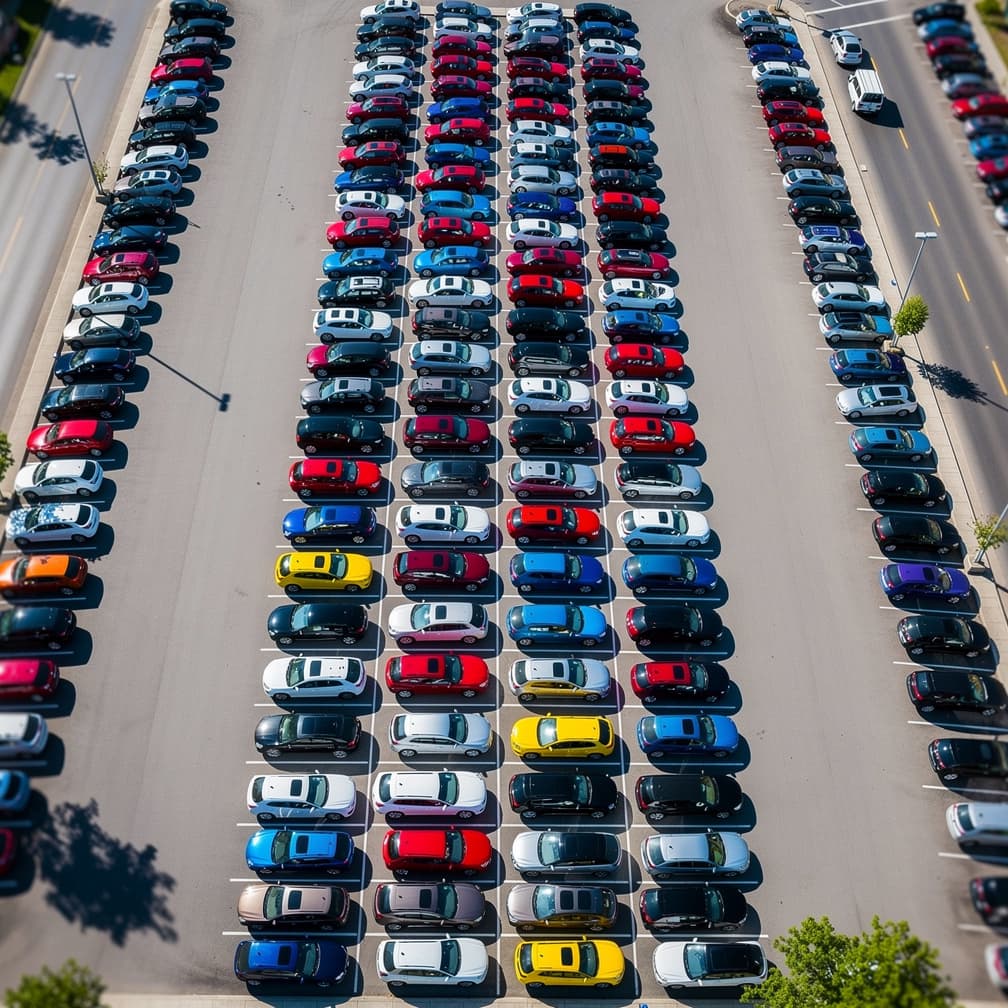
Dealer open lot insurance in North Charleston is not a different product from what you would buy in another South Carolina market. What sets this area apart is how fast your inventory can shift between storage patterns, sales pace, and buyer expectations inside the same metro. A small independent lot here may be selling to payment-sensitive households, while another dealer juggles overflow units, trade-ins waiting on recon, and vehicles staged near higher-traffic retail corridors.
North Charleston median household income is $62,789, so many buyers shop carefully on monthly payment and vehicle condition. That raises the stakes if weather damage, lot congestion, or delayed repairs leave units unsellable at the wrong moment. Your schedule of locations, valuation method, and deductible choice become more than paperwork. Before you request terms, line up your current unit count, your highest seasonal inventory peak, any off-site storage you use, and how long vehicles typically sit before front-line sale.
Dealer Open Lot Insurance Risk Factors in North Charleston
North Charleston's local difference is concentration, not a unique hazard category. South Carolina weather exposures already matter at the state level, but here you should pay close attention to how tightly vehicles are parked, how often inventory shifts between primary and overflow spaces, and whether lower-line units sit longer waiting for recon or financing-ready buyers. A crowded lot changes loss severity because one wind or debris event can affect multiple vehicles at once, and a longer holding period keeps more units exposed before sale. Review whether your policy values inventory the way you report it to your lender, whether newly acquired units are picked up automatically for a workable period, and whether temporary storage arrangements are clearly scheduled. If your operation uses more than one address, confirm each location is shown the way you actually store stock, not the way the business was set up years ago.
South Carolina has a high climate risk rating. Top hazards: Hurricane (Very High), Flooding (High), Severe Storm (High), Tornado (Moderate). The state's expected annual loss from natural hazards is $1.4B, which influences dealer open lot insurance premiums and may affect coverage availability in high-risk areas.
What Dealer Open Lot Insurance Covers
South Carolina lot exposure often turns on where inventory sits during ordinary operations, not just on the main display line. A useful policy review looks closely at vehicles parked on gravel overflow areas, units staged behind the building for reconditioning, and inventory temporarily kept at a secondary storage address. Those details matter because a claim can hinge on whether the location, use, and handling of the vehicles match what the underwriter expected.
You should also review how the policy treats inventory during routine dealership movement. That includes vehicles being repositioned around the lot, moved between nearby storage areas, or handled during service, detailing, and sale preparation. If your operation uses multiple addresses, ask whether each site is scheduled correctly and whether any sublimits or conditions apply away from the primary lot.
Ask how the form responds to wind, hail, falling objects, water-related damage, theft after a storm, and vandalism during a temporary closure. If you keep higher-value units in exposed rows, request a conversation about valuation, reporting, and any protective safeguards the carrier expects.
Compare quotes line by line, then ask your agent to explain any exclusions, location limitations, and claim reporting duties before binding coverage.
Coverage Included

Weather Damage
Covers hail, wind, flood, and storm damage to lot inventory.
Theft Protection
Covers vehicles stolen from your lot.

Fire Damage
Covers fire and explosion damage to inventory vehicles.

Vandalism
Covers intentional damage to vehicles on your lot.
Test Drive Coverage
Covers vehicles during customer and employee test drives.
Transit Coverage
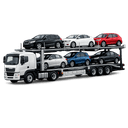
Covers vehicles being moved between lot locations.
Industries & Insurance Needs in North Charleston
Charleston County's business mix changes the buying environment around a local dealership. The county has 15,484 business establishments, and its largest establishment shares are professional, scientific, and technical services at 14.2%, retail trade at 13.6%, and accommodation and food services at 10.1%, so a dealer here often sells into a broad commuter and service-economy customer base rather than one narrow industry. That matters for dealer open lot decisions because inventory mix and turn rate can swing with who is shopping: practical daily drivers, lower-payment trade-in buyers, or vehicles positioned for retail visibility near other consumer businesses. If your lot carries a wide spread of values and ages, ask for terms that fit that spread instead of assuming one blanket approach is efficient. A quote works better when it reflects your actual unit mix, storage pattern, and peak count by season.
What Makes North Charleston Different
What changes the calculus here is how fast inventory has to turn to keep cash flow healthy. The real exposure is not just physical damage but damaged or delayed inventory sitting on the lot while you still need it to convert into cash flow.
A local dealer should think beyond a simple total inventory number. You want to understand the breakdown: how many units are front-line ready, how many are waiting on parts or detail work, how many are stored off the main lot, and how quickly you can move them if weather threatens. A policy review should zero in on whether your reporting habits, peak-value figures, and deductible still fit how units are actually clustered on your lot today. If your operation has changed over the last year, your coverage should catch up on the same timeline.
Our Recommendation for North Charleston
Before you open the declaration page, pull out your lot map and walk through every place vehicles are kept. Note the highest number of units you have had on hand at one time, then separate front-line inventory from trade-ins, wholesale units, and vehicles awaiting recon.
Then compare that operating picture against your current limit and deductible. If your sales model depends on affordable used inventory, a loss to several lower-value units at once can still disrupt cash flow and floorplan capacity. Ask how partial losses, total losses, and newly acquired vehicles are handled under the form you are considering. If any address, storage habit, or unit mix has changed, update it before binding. If you want a cleaner quote, send the carrier your current inventory summary, all storage addresses, lender requirements if any, and the month when your lot is fullest.
Get Dealer Open Lot Insurance in North Charleston
Enter your ZIP code to compare dealer open lot insurance rates from carriers in North Charleston, SC.
Business insurance starting at $25/mo
FAQ
Frequently Asked Questions
If vehicles are kept away from the main lot, overflow storage matters. The practical step is to show each storage address and explain how units move between locations, so the quote matches your real inventory pattern.
North Charleston buyer demand can change how long vehicles stay exposed before sale. With median household income at $62,789, many shoppers are payment-sensitive, so slower turns on some units can make valuation, limits, and deductible choices more important.
Charleston County business activity matters because 15,484 establishments support a broad local customer base and steady retail movement. That density means a single weather event or lot incident can affect more potential buyers in your trade area, so it is worth reviewing whether your inventory mix, peak count, and storage setup still fit the way your lot actually sells.
North Charleston dealers should describe whether the lot leans toward front-line retail units, older trade-ins, or vehicles waiting on recon. That detail helps the underwriter see which units carry the most value and how long each category typically sits before sale.
Policies here still fall under the South Carolina Department of Insurance. For a buyer, the more useful question is whether your locations, limits, and reporting practices match current operations before you bind coverage.
Yes. List every place inventory is stored or staged, including overflow and temporary holding areas. Undisclosed locations are where claim disputes often start, because the carrier may question whether the loss happened at an address they actually agreed to cover.
State weather can turn one event into damage across multiple units, so carriers usually care about lot layout, drainage, wind exposure, and how quickly inventory can be moved. Ask specifically how your policy handles storm-related loss scenarios at each scheduled location.
Insurance oversight runs through the state insurance department. That matters when you review policy forms, complaint options, and market conduct questions, so keep that in mind if you need to escalate an unresolved coverage or claims concern.
Sources
- 1.U.S. Census Bureau, ACS 5-Year Estimates, table B19013(North Charleston median household income is $62,789, so many buyers shop carefully on monthly payment and vehicle condition.)
- 2.U.S. Census Bureau, County Business Patterns, Charleston County(Charleston County has 15,484 business establishments, and its largest establishment shares are professional, scientific, and technical services at 14.2%, retail trade at 13.6%, and accommodation and food services at 10.1%.)
- 3.South Carolina Department of Insurance(North Charleston policies still fall under the South Carolina Department of Insurance.)
Updated July 16, 2026





