








































Updated July 16, 2026

Inland Marine Insurance in North Charleston
Your tools, materials, and mobile equipment often move short distances between customer locations, temporary laydown areas, and vehicles parked between calls. That constant movement changes how you should schedule property and document where it travels. If you are shopping for inland marine insurance in North Charleston, the key is matching coverage to that constant movement pattern, not just listing a few expensive items. Local vendors, landlords, and project partners often expect organized proof of coverage and clear equipment schedules before work starts or property is left on site. It is worth reviewing whether your policy descriptions are broad enough for items that rotate between jobs in the same week. Professional, scientific, and technical services account for 14.2% of establishments, retail trade 13.6%, and accommodation and food services 10.1%, which means mobile equipment exposures touch a wide swath of the local economy. Portable electronics, leased equipment, display property, and specialized service gear are common exposures across a wide range of local industries, not just construction sites.
Inland Marine Insurance Risk Factors in North Charleston
North Charleston's top risk factors include Flooding, Hurricane damage, Coastal storm surge, and Wind damage.
South Carolina has a high climate risk rating. Top hazards: Hurricane (Very High), Flooding (High), Severe Storm (High), Tornado (Moderate). The state's expected annual loss from natural hazards is $1.4B, which influences inland marine insurance premiums and may affect coverage availability in high-risk areas.
What Inland Marine Insurance Covers
In South Carolina, inland marine insurance can help cover business property that is mobile, in transit, at a work site, or stored temporarily away from your main premises. That can include tools and equipment, goods in transit, contractor's equipment, installation floater exposures, and builders risk coverage for certain projects, depending on the policy form and endorsements. The state does not set a special inland marine minimum like it does for some other lines, but the South Carolina Department of Insurance regulates the market, so policy terms, limits, deductibles, and endorsements differ by company and by business class.
Because South Carolina has elevated hurricane risk, high flooding exposure, and frequent severe storm declarations, carriers may pay close attention to where property is stored, how often it moves, and whether it is kept in short-term storage near coastal or storm-prone areas. Coverage can also differ for property at customer locations, on active work sites, in transit between counties, or in storage before installation. As with any policy of this type, you should confirm what perils are covered, what exclusions apply, and whether your policy includes theft, damage, vandalism, or other covered losses while property is away from your primary business location. Businesses should also verify whether endorsements are needed for specialized tools, rented equipment, or installation materials used on South Carolina projects.
Coverage Included
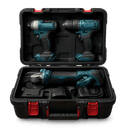
Tools & Equipment
Can help repair or replace hand tools, power tools, and gear that are stolen or damaged on the job or in transit.

Goods in Transit
May cover products, materials, and merchandise while they are being shipped or hauled between locations in your care.
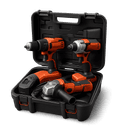
Contractors Equipment
Typically covers heavy machinery like excavators, loaders, and generators against theft or damage at job sites and between them.

Installation Floater
Can help cover materials and fixtures from the moment you buy them until they are installed and accepted at a project.
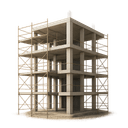
Builders Risk
May cover a structure under construction, along with materials on site, against damage from fire, wind, theft, and vandalism.
Inland Marine Insurance Cost in North Charleston
Average Cost in South Carolina
$20 - $100
per month
Businesses in South Carolina typically see inland marine insurance premiums of $20 - $100 per month, which tends to run close to the national range of $20 - $100 per month.
- Total insured value of the scheduled property
- Type and age of the equipment
- Where it is stored and how far it travels
- Jobsite security and theft prevention
- Per-item limits and deductibles
- Prior theft and in-transit losses
Contact CPK Insurance for a personalized quote.
Prices shown are general estimates, not guaranteed rates or quotes. Your actual premium will depend on the insurer, coverage selected, business details, location, claims history, and other underwriting factors. Learn about our pricing methodology.
For South Carolina businesses, premiums for this product vary depending on the risk profile and carrier. South Carolina's premium index is 102, which means you can expect pricing slightly above the national average, though not dramatically so. Location is a major factor because hurricane exposure, flooding, and severe storm history can influence how carriers price mobile property that travels through coastal counties, inland work sites, and short-term storage locations. Coverage limits and deductibles also shape cost, along with claims history, industry or risk profile, and policy endorsements.
A contractor moving tools between Charleston, Columbia, and Greenville may see different pricing considerations than a business that keeps equipment in one inland warehouse. The state's market is competitive, with several major carriers active and underwriting appetites that differ meaningfully. South Carolina has 126,400 businesses, 99.5% of which are small businesses. For you as a buyer, that means insurers have built products for operations like yours, so you are not forced into a policy designed for large standardized fleets. If your business works in construction, retail delivery, manufacturing support, or service work, the carrier may ask about where the property is kept overnight, how often it is transported, and whether it is exposed at active work sites. Those details can move the final premium up or down.
What Makes North Charleston Different
In many parts of the state, the main question is whether property travels at all. Here, the better question is how often it changes hands, vehicles, and locations during a normal week. That matters because inland marine claims often turn on scheduling, valuation, and where property was supposed to be when a loss happened. A contractor with tools moving between small commercial jobs has a different exposure than a consultant carrying diagnostic equipment, even if the total insured value looks similar on paper. Mobile property is not limited to construction. If your operation relies on laptops, testing devices, point of sale equipment, rented gear, or materials staged offsite, review whether each category belongs on an itemized schedule, a blanket form, or a separate transit-focused endorsement before you bind coverage.
Our Recommendation for North Charleston
Start by sketching a simple property movement map showing what travels daily, what stays in a vehicle, what gets dropped at a customer site, and what sits in temporary storage between jobs. Once you have that picture, compare it against how values are reported on your quote. When an item would be hard to replace quickly, take time to confirm the valuation basis and check whether newly acquired property has any limited automatic coverage while you update schedules. Similarly, if employees use personal vehicles or multiple vans, it is worth asking how the policy treats property in transit and whether theft documentation requirements could affect a claim. North Charleston buyers should also tighten internal controls before renewal. Serial number logs, sign-out procedures, photos, and job records can matter as much as the limit itself when equipment moves constantly. Choose deductibles you can realistically carry, because a sudden replacement bill that forces you to delay a job probably means the out-of-pocket threshold is set too high.
Get Inland Marine Insurance in North Charleston
Enter your ZIP code to compare inland marine insurance rates from carriers in North Charleston, SC.
Business insurance starting at $25/mo
FAQ
Frequently Asked Questions
North Charleston businesses usually need this type of policy when property moves between jobs, customer locations, vehicles, or temporary storage. A dense operating environment means portable tools, electronics, and materials often leave the main premises during normal work.
No. Service providers, retailers, and hospitality operators all face mobile equipment exposures that extend well beyond construction crews. If your staff carries laptops, processes payments on portable terminals, or transports rented gear, those items may belong on a policy designed for property in motion.
List property that regularly travels or sits off premises, then go deeper than a generic inventory. Include serial numbers, purchase dates, and current replacement costs for tools, diagnostic devices, display property, rented equipment, and materials in transit. Accurate schedules and values matter most when items rotate between locations frequently, since gaps or outdated figures are the fastest way to turn a straightforward claim into a dispute.
Pick a figure you can absorb without slowing replacement or payroll decisions. If writing that check would force you to delay a job, the deductible may be too high for equipment that moves daily.
It can cover tools and equipment while they are away from your fixed location, including work sites, transit between locations, and short-term storage in South Carolina, but the exact form and exclusions depend on the carrier.
Goods in transit coverage in South Carolina is designed for business property moving over land between locations, so you should confirm whether loading, unloading, and short stops are included in the policy form.
If your tools or equipment regularly move between South Carolina work sites and overnight storage, contractor's equipment insurance may be the right way to address that mobile exposure, but the storage details matter.
South Carolina's elevated hurricane and flooding risk can influence underwriting for mobile property, especially when equipment is stored near the coast or in temporary locations, so carriers may ask more questions about storage and transport.
Sources
- 1.U.S. Census Bureau, County Business Patterns, Charleston County(Charleston County has 15,484 business establishments, so local vendors, landlords, and project partners often expect organized proof of coverage and clear equipment schedules before work starts or property is left on site.; The county mix also matters: professional, scientific, and technical services account for 14.2% of establishments, retail trade 13.6%, and accommodation and food services 10.1%, so portable electronics, leased equipment, display property, and specialized service gear are common exposures here.)
- 2.U.S. Census Bureau, ACS 5-Year Estimates, table B19013(If your household income or business cash flow leaves little room to absorb a sudden replacement bill, the city's median household income of $62,789 is a useful reminder to choose deductibles you can realistically carry without delaying operations.)
Updated July 16, 2026





