







































Updated July 16, 2026

On-Hook Towing Insurance in Aberdeen
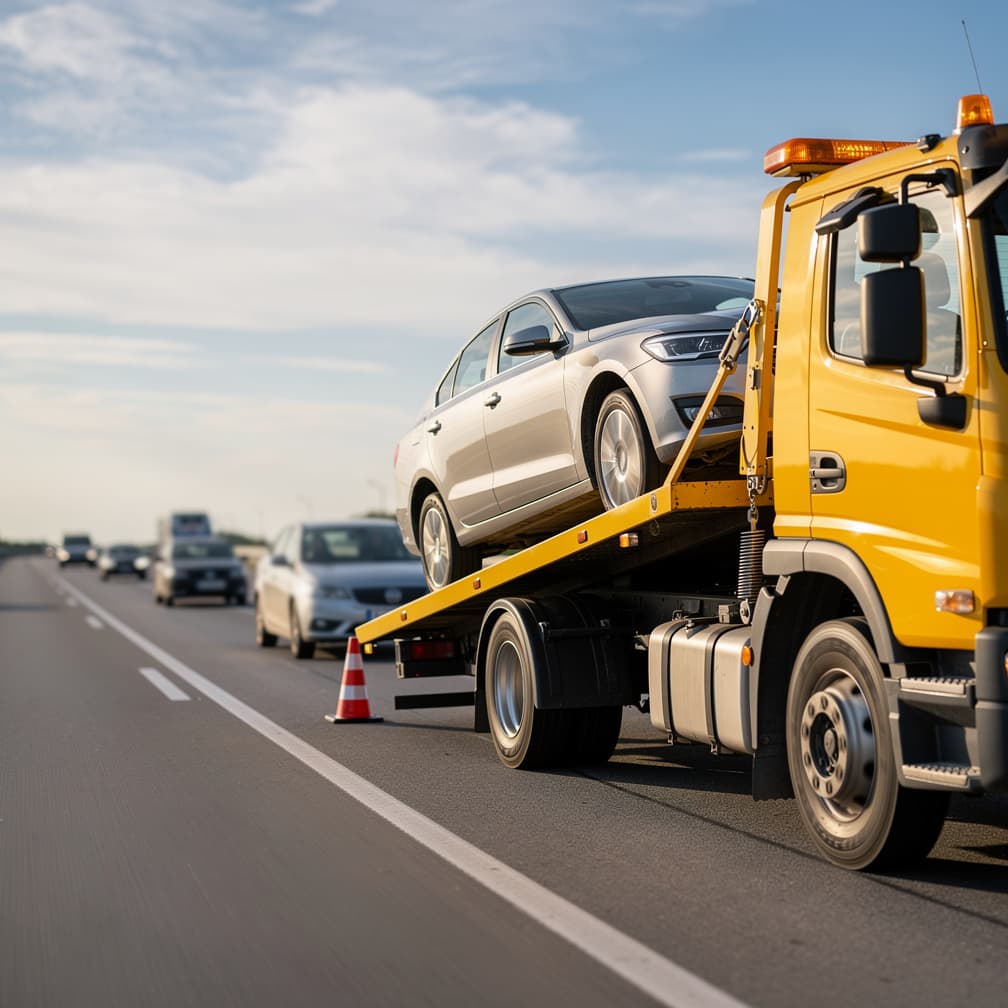
Aberdeen sits in a county where retail trade leads the business mix, with construction and health care close behind. If your trucks spend the week moving between store lots, job sites, clinics, and roadside calls tied to working vehicles, that mix shapes what you actually take into your care, custody, and control. On-hook towing insurance here is less about a generic tow profile and more about the mix of units you handle. Brown County has 1,244 business establishments, meaning a local operator may see everything from employee sedans and delivery vans to contractor pickups and service vehicles in a single week. Many of those commercial customers expect clean certificates and clear claim handling before they send more work your way. Before you quote, walk through vehicle value, attachment method, and handoff documentation one line at a time so nothing slips through the cracks. If your book includes dealership transfers, police rotations, private property impounds, or recoveries for local employers, ask for quote options that separate lighter jobs from heavier ones and spell out how damage is evaluated while a vehicle is being winched, loaded, or carried.
On-Hook Towing Insurance Risk Factors in Aberdeen
Aberdeen's top risk factors include Severe weather, Property crime, Flooding, and Vehicle accidents.
South Dakota has a high climate risk rating. Top hazards: Severe Storm (Very High), Tornado (High), Hailstorm (Very High), Winter Storm (High). The state's expected annual loss from natural hazards is $480M, which influences on-hook towing insurance premiums and may affect coverage availability in high-risk areas.
What On-Hook Towing Insurance Covers
The practical question is not whether on-hook coverage exists in the abstract, but where your operation creates the most damage potential during the tow. A truck that spends most of its week on paved roadside calls in Sioux Falls or Rapid City can present a different claim pattern than a unit that regularly pulls vehicles from ditches, gravel shoulders, ranch roads, or winter-slippery approaches outside town.
As you compare policies, ask the agent to walk through your actual job flow. You want to know how the policy responds when a vehicle is being secured, when it is already attached, when it is carried on a bed, and when it is being set down at a shop, yard, residence, or impound location. If you handle police-ordered tows, private property impounds, dealer transfers, or recovery work, say so clearly. Those details help shape whether the policy is being matched to your operation or just quoted broadly.
State conditions also make claim documentation more important. Mud, ice, wind, and low-visibility conditions can complicate the question of whether damage happened before hookup, during recovery, or at delivery. That is why you should review not only limits, but also exclusions, valuation language, and any conditions tied to unattended vehicles, keys, storage transitions, or subcontracted work. In the kinds of tows you actually perform across the state, where could a customer vehicle claim still fall back on your business?
Coverage Included
Collision on Hook
Covers damage to towed vehicles from collisions during transport.
Comprehensive on Hook
Covers theft, fire, and weather damage to vehicles being towed.
Loading & Unloading
Covers damage during the process of loading and unloading vehicles.
Winching Coverage
Covers damage to vehicles during winching and recovery operations.
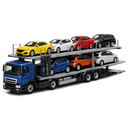
Multiple Vehicle
Covers all vehicles on multi-car carriers and rollback flatbeds.
What Makes Aberdeen Different
In Brown County, retail trade accounts for 13.1% of establishments, construction 12.5%, and health care and social assistance 10%. That mix means your calls likely involve more employer-owned units than private passenger cars. A contractor pickup with mounted equipment, a pharmacy delivery vehicle, or a fleet unit assigned to a clinic can create a different damage conversation after a loading error or securement issue. How the owner uses the vehicle, how soon they need it back, and how thoroughly you document condition at pickup all shape the claim that follows. Before you bind, check whether your limits, exclusions, and valuation language fit the commercial work you actually take on, especially when employer-owned units are involved during business hours.
Our Recommendation for Aberdeen
Start with your actual call log rather than a generic form. If a meaningful share of your calls involve retail parking lots, contractor vehicles, or employer fleets, ask the agent to classify that work clearly so the quote matches your actual towing operations. Brown County's 1,244 business establishments mean repeat commercial accounts are realistic, and those accounts usually care about paperwork as much as price. Keep photo procedures consistent at pickup and drop-off. Note pre-existing damage before winching begins, and confirm who signs for release when a business vehicle is delivered after hours. If you tow for body shops, property managers, or local employers, review whether your on-hook limit is adequate for the highest-value unit you reasonably expect to move, not just the average car. When you request a quote, bring your unit types, radius, storage practices, and largest recent tows to the conversation so the options reflect what you actually move.
Get On-Hook Towing Insurance in Aberdeen
Enter your ZIP code to compare on-hook towing insurance rates from carriers in Aberdeen, SD.
Business insurance starting at $25/mo
FAQ
Frequently Asked Questions
Aberdeen-area towing companies often serve a county where retail trade, construction, and health care make up large establishment shares, so you may tow more working vehicles. Before transport begins, pay close attention to limit selection, securement procedures, and condition documentation so your claim position stays strong.
Brown County has 1,244 business establishments, so commercial referrals can become a meaningful part of your book. If you regularly move employer-owned pickups, vans, or service units, ask for a quote that reflects those vehicle types and your highest-value likely tow.
Document pre-existing damage, wheel and suspension condition, attachment points, and who released the vehicle. That record matters even more when the unit belongs to a business that expects quick claim review and clear handoff details.
On-hook limit decisions often get harder when your calls include contractor trucks, delivery vans, or fleet sedans. Start by identifying the most valuable vehicle you are likely to winch, load, or carry, then confirm your limit can handle that unit before you accept the job.
Compare quotes using the same truck list, service mix, limits, and deductibles. It also helps to verify licensing and complaint resources through the state insurance regulator before you bind coverage.
Rural routes can change the kinds of recoveries your drivers handle, especially where gravel roads, ditches, and longer transport distances are common. That is why your quote should describe actual territory and recovery work, not just routine paved-road towing.
Document vehicle condition before hookup, securement steps, recovery conditions, and delivery condition. Clear photos, dispatch notes, and signed handoff records can help if a customer later disputes whether damage happened before the tow or during it.
Insurance regulation is overseen by the South Dakota Division of Insurance. You can reach them at 605-773-3563 or visit their website at [dlr.sd.gov/insurance](https://dlr.sd.gov/insurance). If you are checking licensing, complaint information, or general regulatory resources while shopping coverage, start there before you bind a policy for your towing business.
Sources
- 1.U.S. Census Bureau, County Business Patterns, Brown County(Brown County has 1,244 business establishments, so a local operator may handle everything from employee sedans and delivery vans to contractor pickups and service vehicles, often for commercial customers who expect clean certificates and clear claim handling before they send more work.; In Brown County, retail trade accounts for 13.1% of establishments, construction 12.5%, and health care and social assistance 10%, which points to a steady stream of service calls involving business-use vehicles rather than only private passenger cars.)
Updated July 16, 2026





