Updated July 16, 2026

Key Takeaways
- Compare liquor liability quotes using the same limits and the same description of your alcohol operations, then read exclusions and defense wording before you choose a policy.
- Ask whether assault and battery is included, limited, or excluded, especially if you operate late hours, use security, host events, or manage crowded service areas.
- Document ID checks, server training, incident logs, and cut-off procedures so your application and your claim file both support how you actually operate.
- Review contracts from landlords, venues, and event partners early so you can match liquor liability limits and certificate requirements before binding coverage.
- Separate host liquor questions from true liquor liability needs if alcohol is only furnished occasionally and not part of your regular business revenue.
Liquor Liability Insurance in South Dakota
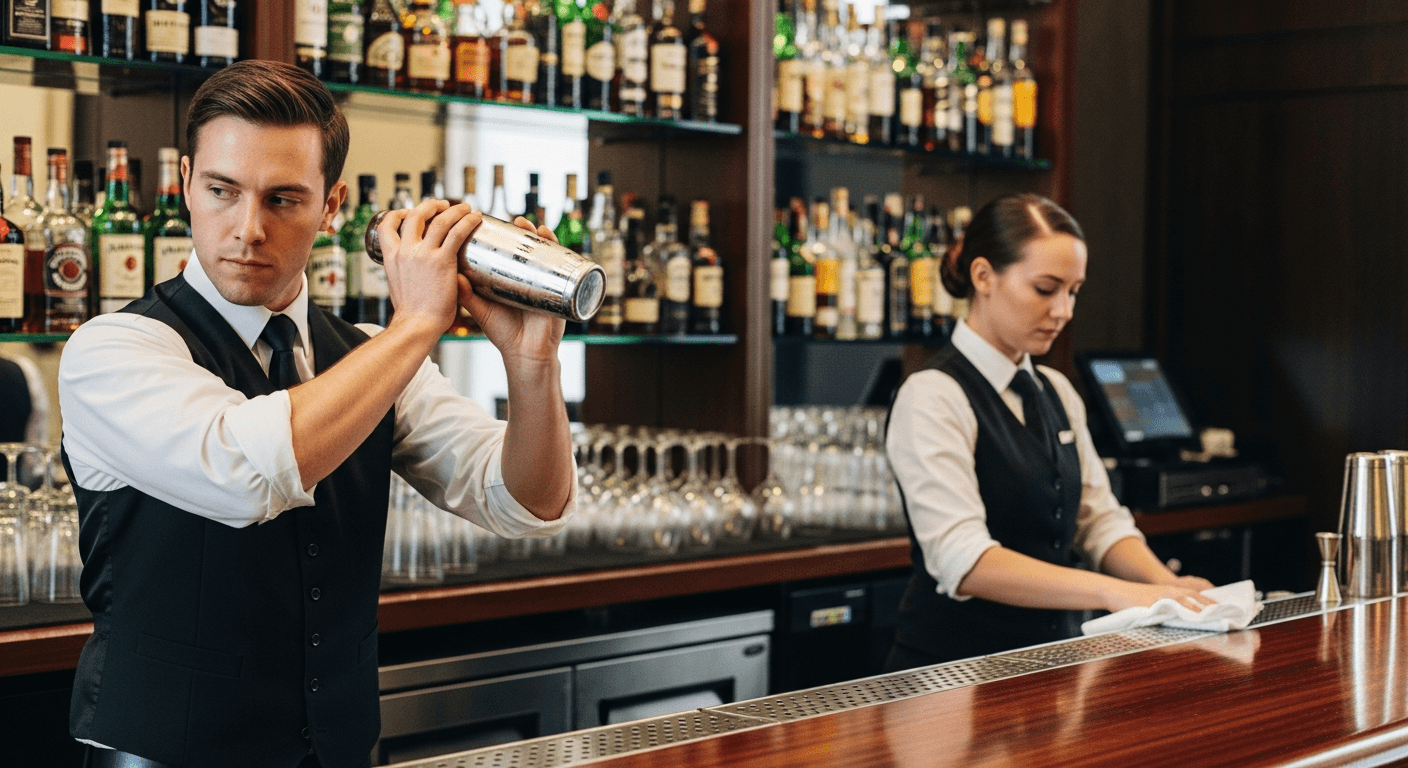
If you serve, sell, manufacture, or distribute alcohol in South Dakota, liquor liability insurance is the coverage most owners review before they apply for a liquor license or renew an existing one. That matters in a state with 220 active insurance companies competing for business, and a premium index of 88, which signals a market where pricing runs below national averages overall. Small businesses make up 99.1% of all establishments in South Dakota, meaning most alcohol-serving owners are navigating this coverage without the buying power of a large chain. The coverage decision here is really about claims tied to your alcohol service, not the severe storms and winter weather that complicate daily operations. In Pierre, Sioux Falls, Rapid City, and smaller communities, carriers may ask about your hours, event volume, security practices, and whether alcohol is a core part of sales. Restaurants, bars, breweries, wineries, caterers, hotels, and event venues often compare this policy alongside their liquor license needs, because the right limits and endorsements can affect both compliance and risk transfer.
What Liquor Liability Insurance Covers
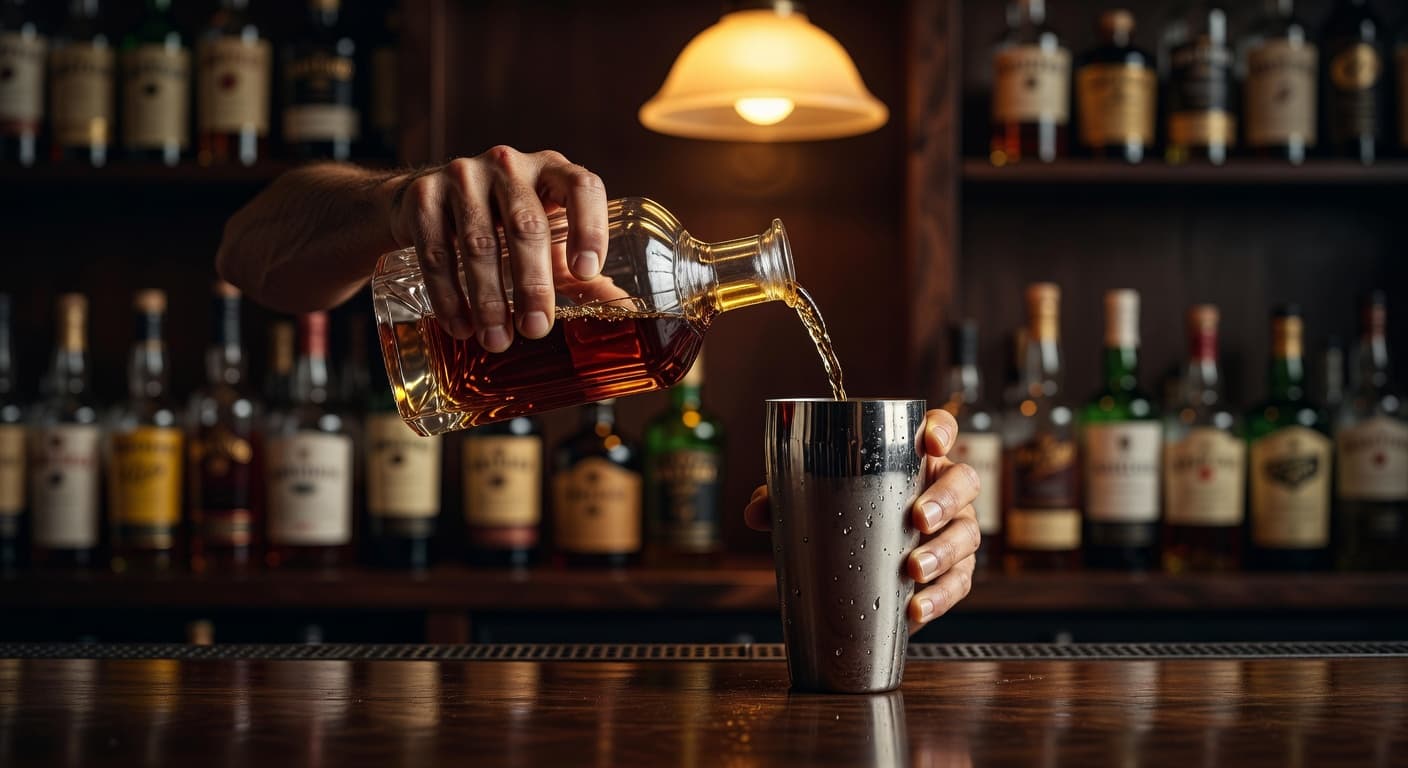
In South Dakota, this coverage may help with alcohol-related claims tied to serving liability, intoxication, and dram shop allegations. A typical policy includes bodily injury liability, defense costs, settlements, judgments, assault and battery, and host liquor liability, but the exact wording depends on the carrier and endorsements. That means your policy may help if an intoxicated patron is alleged to have caused harm after being served at your establishment, or if a claim is made that staff overserved a guest. For businesses that only occasionally host alcohol service, host liquor liability may be the relevant part of the policy, while regular alcohol sellers usually need a full solution. Standard general liability often excludes alcohol-related claims for businesses in the alcohol business, so this coverage is usually purchased as a separate policy or added as a specific endorsement package. The South Dakota Division of Insurance regulates the market, so you should verify that any policy you buy aligns with your licensing and business needs.
Bodily Injury Liability
Can help cover injuries an intoxicated patron causes to others after your business served or sold them alcohol.
Property Damage Liability
May pay for property damage caused by an intoxicated customer your establishment served, such as a car crash after leaving.
Assault & Battery
Can help cover claims arising from fights or physical altercations involving intoxicated patrons at your bar or restaurant.
Defense Costs
May pay for attorneys, court fees, and related legal expenses when your business is sued over an alcohol-related incident.

Host Liquor Liability
Can help cover alcohol-related claims from events where you host or serve drinks without selling them, like company parties.
Liquor Liability Insurance Requirements in South Dakota
- The South Dakota Division of Insurance regulates the market, but liquor liability policy terms still vary by carrier and business type.
- Coverage requirements may vary by industry and business size, so a bar, restaurant, brewery, or event venue should not assume the same form fits all.
- This coverage commonly addresses alcohol-related claims tied to serving liability, intoxication, and dram shop allegations.
- For businesses tied to a liquor license, policy wording should be checked before binding to avoid gaps in alcohol-related claims.
How Much Does Liquor Liability Insurance Cost in South Dakota?
Average Cost in South Dakota
$45 - $190
per month
Businesses in South Dakota typically see liquor liability insurance premiums of $45 - $190 per month, which tends to run 19% below the national range of $50 - $240 per month.
- Share of sales that comes from alcohol
- Type of venue and how late you serve
- Server training and service procedures
- State dram shop law
- Liquor liability limits selected
- Prior over-service or assault claims
Contact CPK Insurance for a personalized quote.
Liquor liability insurance cost in South Dakota depends on the business and policy design, including coverage limits, deductibles, claims history, location, industry risk, and endorsements. South Dakota's premium index of 88 suggests pricing is below the national average overall, which means owners here may see more favorable quotes than counterparts in pricier states. A bar in downtown Sioux Falls, a restaurant in Rapid City, or an event venue near Pierre may receive different quotes because local operations, crowd patterns, and serving practices vary. The state's many small businesses create a competitive market, but the quote still depends on your alcohol exposure, hours of service, and whether you need dram shop coverage, host liquor liability, or broader bar insurance. For the most accurate quote, carriers usually want current sales estimates, prior claims, and endorsement choices.
Prices shown are general estimates, not guaranteed rates or quotes. Your actual premium will depend on the insurer, coverage selected, business details, location, claims history, and other underwriting factors. Learn about our pricing methodology.
Request a Quote Comparison
Enter your ZIP code to compare liquor liability insurance rates from top carriers.
Business insurance starting at $25/mo
Who Needs Liquor Liability Insurance?
Any South Dakota business that sells, serves, manufactures, or distributes alcohol should review liquor liability insurance requirements before opening or renewing coverage. Bars and nightclubs need it because alcohol service is central to operations and claims can involve overserving, intoxication, or alleged serving liability. Restaurants and breweries often need a policy tailored to their taproom or dining-room service because alcohol may be one part of a broader business model. Wineries, liquor stores, caterers, event venues, and hotels also commonly need this protection when alcohol sales or service are part of the business. Host liquor liability coverage may fit a business that only serves alcohol occasionally, such as a company event space or a hotel banquet room, but that is different from a full policy for regular sales. A significant share of the state's workforce operates in accommodation and food services, meaning many employees work in environments where alcohol service is common. In markets like Sioux Falls, Rapid City, Pierre, and smaller communities, carriers may also review security procedures and staff training because assault claims and intoxication-related allegations can follow alcohol service.
Liquor Liability Insurance by City in South Dakota
Liquor Liability Insurance rates and coverage options can vary across South Dakota. Select your city below for localized information:
How to Buy Liquor Liability Insurance
To buy liquor liability insurance in South Dakota, start by gathering your business details, alcohol sales estimates, current loss history, hours of operation, and any prior policy endorsements so you can request a quote. Because the market includes 220 active insurers, South Dakota businesses should compare quotes from multiple carriers rather than assume one policy form fits every operation. Request a quote through CPK Insurance to compare your options with participating licensed providers. The South Dakota Division of Insurance is the regulatory body, so you should verify that any policy you buy aligns with your licensing and business needs, especially if your insurer asks for proof tied to a liquor license. If you operate in Pierre, Sioux Falls, Rapid City, or surrounding areas, ask whether the carrier has experience with your venue type, because underwriting can differ by restaurant, bar, brewery, or event space. Before binding, confirm the limits, assault and battery terms, defense costs, and whether the policy is written as a standalone liquor liability policy or part of a broader package.
How to Save on Liquor Liability Insurance
The most reliable way to manage liquor liability insurance cost in South Dakota is to compare quotes from multiple carriers and match the policy to your actual alcohol exposure. Because the state has 220 active insurance companies and a premium index below the national average, shopping the market can reveal meaningful differences in pricing and endorsements. If your business only serves alcohol occasionally, host liquor liability coverage may be more appropriate than a full-service form, which can reduce unnecessary exposure. For bars and restaurants, improving staff training on intoxication recognition and serving practices can help present a cleaner risk profile to underwriters, especially when they review overserving and assault concerns. Prior alcohol-related losses can increase quotes more than many owners expect, so documenting staff training and responsible service protocols can help offset that impact. You can also ask about higher deductibles and narrower endorsements if they fit your operations, because coverage limits and deductibles are major pricing drivers. Bundling this coverage with other business policies may create multi-policy savings, though actual savings vary by carrier and account. If you operate in downtown Sioux Falls, Rapid City, or a seasonal event location, give accurate revenue and staffing details so the quote reflects real exposure instead of a padded estimate.
Our Recommendation for South Dakota
For South Dakota buyers, the best first step is to match the policy form to the way alcohol is actually sold or served. A restaurant with regular table service usually needs a different structure than a venue that only hosts occasional events, and that distinction affects your coverage meaningfully. I would focus on three items before buying: defense costs, assault and battery terms, and whether the policy is built for regular alcohol sales or only host liquor exposure. Then compare at least three quotes from carriers active in the state, because South Dakota's competitive market can produce different answers for the same operation. Finally, keep your application precise; in this market, the details around hours, staff, and alcohol volume matter as much as the city or county where you operate.
FAQ
Frequently Asked Questions
In South Dakota, it may help with claims tied to intoxication, overserving, serving liability, and dram shop allegations. It commonly includes bodily injury liability, defense costs, settlements, judgments, assault and battery, and host liquor liability depending on the policy.
Many businesses use this coverage as part of the licensing process, and some states require it as a condition of holding a liquor license. In South Dakota, the exact requirement can vary by industry and business size, so the policy should be checked against your licensing needs.
Your actual quote depends on limits, deductibles, claims history, location, industry risk, and endorsements. A downtown Sioux Falls restaurant, a Pierre event venue, and a Rapid City bar may all receive different pricing.
Carriers look at coverage limits and deductibles, claims history, location, industry or risk profile, and policy endorsements. Your operational details, crowd patterns, and serving practices can also drive differences in quotes.
Host liquor liability coverage is usually for occasional alcohol service, while a full policy is meant for businesses that regularly sell, serve, manufacture, or distribute alcohol. South Dakota businesses should choose based on how often alcohol is part of operations.
The product may help cover defense costs, settlements, and judgments arising from alcohol-related claims. The exact limits and exclusions depend on the carrier and the policy language.
You should review limits, deductibles, assault and battery terms, defense costs, and whether you need host liquor liability coverage or a broader policy. This is especially important if your business depends on alcohol sales or a liquor license.
U.S. businesses that sell, serve, or distribute alcohol should review liquor liability insurance. That usually includes bars, restaurants, breweries, wineries, liquor stores, caterers, hotels, and event venues, especially when alcohol service is part of normal operations rather than an occasional event.
Sources
Updated July 16, 2026