Updated July 16, 2026

Builders Risk Insurance in Rapid City
Rapid City's job mix shapes what you schedule, where materials sit before installation, and which parties need to be named correctly before work starts. Your policy often depends on the project type and the contract chain around it, not just the structure itself. A custom home in newer residential growth areas, a tenant build-out near established retail corridors, and a medical office renovation each raise different transit, storage, and soft-cost questions.
That local context matters. Pennington County has 4,092 business establishments, with retail trade at 14.4%, construction at 12.4%, and health care and social assistance at 10.7%. Translation: you are likely building near operating businesses, which means phased work and owner requirements deserve closer attention before a loss happens. If your build touches an operating storefront, clinic space, or lender-driven draw schedule, your quote should match the construction type, project value, delivery pattern, and who bears the risk of loss at each stage.
Builders Risk Insurance Risk Factors in Rapid City
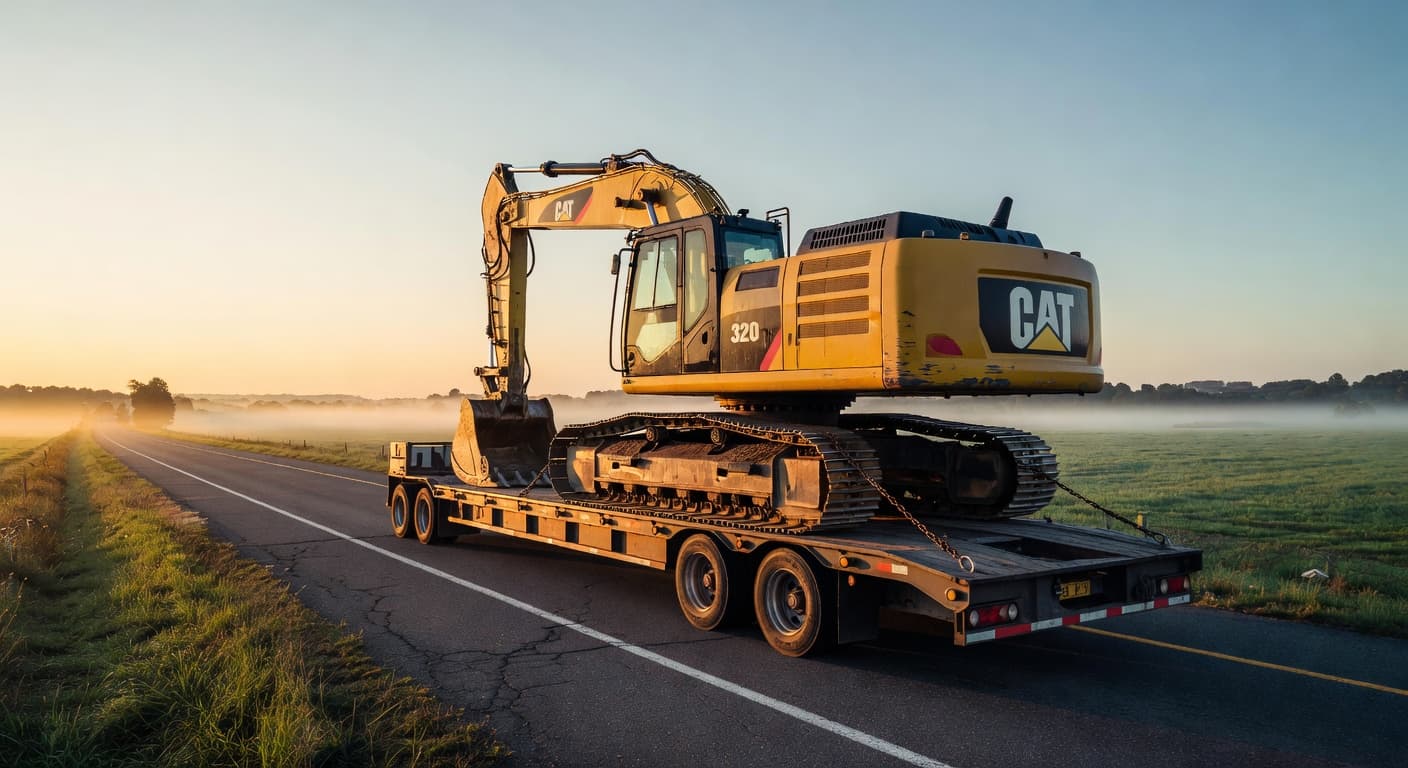
Rapid City projects still need a practical weather conversation, but the useful local issue is not a unique city peril list. It is how quickly weather exposure turns into delay, re-delivery, and rework when materials are staged on site or installation is sequenced across trades. For that reason, review whether your builders risk form addresses **materials in temporary storage, in transit, and already installed** but not yet accepted. If your schedule depends on specialty windows, mechanical equipment, or finish materials arriving in phases, ask how the policy treats partial deliveries and whether theft, water damage, or wind-driven damage changes once items are unloaded. That is especially important on remodels and additions where one part of the property remains in use while another is under construction. A short coverage review before the first delivery usually matters more than broad assumptions about weather.
South Dakota has a high climate risk rating. Top hazards: Severe Storm (Very High), Tornado (High), Hailstorm (Very High), Winter Storm (High). The state's expected annual loss from natural hazards is $480M, which influences builders risk insurance premiums and may affect coverage availability in high-risk areas.
What Builders Risk Insurance Covers
In South Dakota, the useful difference is not the basic definition of builders risk but how carefully the policy matches the way your project is staged and exposed to loss. A rural custom home build can have materials delivered early because suppliers are farther away. An in town commercial project may have tighter delivery windows but more foot traffic and subcontractor movement.
Start with property that will sit on the site before it is installed, since framing lumber, windows, mechanical equipment, or finish materials often arrive ahead of schedule and you want the quote reviewed for how those items are treated while they are waiting to be used. If key components travel a long distance into South Dakota, ask whether transit exposure should be reviewed as part of the policy structure or handled another way.
You should also look closely at temporary works and soft cost related needs if the project depends on a narrow build season. A weather interruption can create extra carrying costs, rescheduling problems, or a longer path to completion. That does not mean every project needs the same endorsements. It means you should compare the policy against the actual construction sequence, especially if the job includes phased work, owner supplied materials, or specialty items with long replacement times.
The state regulator is the South Dakota Division of Insurance, which you can contact if you have questions about a carrier, need to verify a license, or want to file a complaint about policy handling. On the buying side, the practical move is to request a line by line review of covered property, excluded causes of loss, theft conditions, vacancy or occupancy triggers, and any limitation that could matter once the project moves from rough work to finishes.
Coverage Included

Structure Coverage
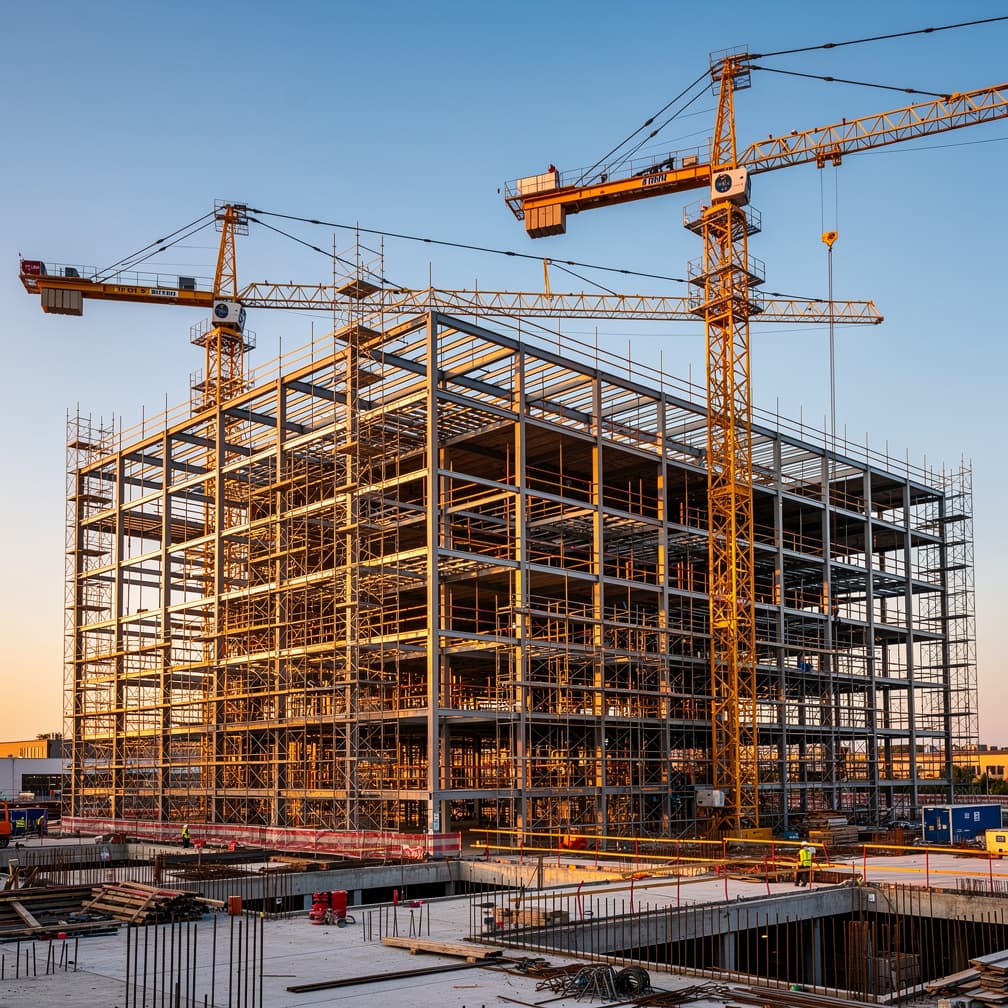
Covers the building or structure under construction.
Materials on Site
Covers building materials stored at the construction site.

Materials in Transit
Covers materials being transported to the job site.
Temporary Structures
Covers scaffolding, fencing, and temporary buildings.

Soft Costs
Covers additional expenses from construction delays due to covered losses.
Equipment Coverage
Covers permanently installed fixtures and equipment.
Industries & Insurance Needs in Rapid City
Pennington County's business mix is the local clue. The county reports 4,092 establishments, and the largest shares are retail trade at 14.4%, construction at 12.4%, and health care and social assistance at 10.7%, so builders risk buyers here are often not insuring a simple ground-up shell. They are insuring tenant improvements, occupied-building renovations, clinic or office upgrades, and projects where owners, landlords, and lenders each care about different delay and property conditions. That changes what you should send with a quote request. Include the construction budget, project timeline, occupancy status, security details, and whether business personal property or existing structures need to stay outside the builders risk form. If your job is inside an operating retail or health care setting, ask early about phased completion, protective safeguards, and who is responsible for materials before they are installed.
What Makes Rapid City Different
What you are building and where you are building it changes the coverage picture. Builders risk decisions often sit at the intersection of residential value expectations and commercial renovation work, so the policy has to match both the build and the deal structure around it.
The city's median home value is $270,000, so even smaller residential projects can involve enough value that a gap in covered materials, theft protection, or ordinance-related rebuilding assumptions becomes expensive fast. At the same time, local commercial work often happens in or around active retail and service properties. Lease obligations, lender requirements, and phased occupancy can create coverage questions a generic form does not solve by itself.
The right starting point is not just project address and budget. It also matters whether the job is new construction, an addition, or a remodel, along with who owns the site, who carries the materials risk before installation, and whether the project has draw-based financing or completion deadlines tied to opening dates.
Our Recommendation for Rapid City
Start your quote request with the contract set, not just the plans. If you are building a home, addition, or shop, list the total completed value, major materials that will arrive early, and whether any items will be stored off site or in temporary storage before installation.
If you are renovating commercial space, note whether the building stays occupied during construction and whether the owner, tenant, or general contractor is supposed to insure work in place. In this market, that distinction can matter as much as the construction type.
Ask for a review of named insureds, loss payee language, soft costs if they apply, and any exclusions that could affect water intrusion, theft, or partially installed materials. If the project budget is being watched closely, compare forms side by side instead of focusing only on price. A free quote is most useful when it tests how the policy responds to your actual delivery schedule and contract obligations.
Get Builders Risk Insurance in Rapid City
Enter your ZIP code to compare builders risk insurance rates from carriers in Rapid City, SD.
Business insurance starting at $25/mo
FAQ
Frequently Asked Questions
Home builds should start with the completed value, construction type, timeline, and delivery schedule for major materials. Given the local median home value of $270,000, mid-sized residential projects often warrant a closer look at theft, storage, and installation-stage exposures.
Occupied renovations often need closer form review because work may happen alongside ongoing business operations. If the project sits inside retail, office, or clinic space, ask how the policy treats existing structures, phased work, and who carries the risk of loss before handoff.
With 4,092 business establishments in the county, many local projects involve landlords, tenants, lenders, and contractors on the same job. That usually means you should confirm named insureds, loss payees, and contract responsibility for materials before construction starts.
Commercial jobs often intersect with the county's largest sectors, retail trade at 14.4%, construction at 12.4%, and health care and social assistance at 10.7%. Expect more tenant improvements, occupied renovations, and schedule-sensitive work that calls for careful form review.
Policyholders with a regulatory question can look to the South Dakota Division of Insurance. For buying decisions, the practical step is to resolve coverage wording, named parties, and reporting expectations before the first draw or material delivery.
The buyer is usually the party the construction contract makes responsible for insuring the project. That may be the owner or the general contractor, so check the agreement before materials are delivered or lender documents are issued.
Lenders often want evidence that the work in place is insured before releasing funds. The practical step is to match the quote, mortgagee wording, and certificate details to the loan documents before closing or the first draw.
Projects sometimes rely on off site or temporary storage because delivery timing and distance can vary. Coverage depends on the policy terms, so ask for stored materials to be addressed specifically instead of assuming they are included automatically.
Sources
- 1.U.S. Census Bureau, County Business Patterns, Pennington County(Pennington County has 4,092 business establishments.; The county's leading sectors by establishment share are retail trade 14.4%, construction 12.4%, and health care and social assistance 10.7%.)
- 2.U.S. Census Bureau, ACS 5-Year Estimates, table B25077(Rapid City median home value is $270,000.)
- 3.South Dakota Division of Insurance(South Dakota's insurance regulator is the South Dakota Division of Insurance.)
Updated July 16, 2026