








































Updated July 5, 2026

Commercial Truck Insurance in Rapid City
A tighter local market changes how you shop for truck coverage. You usually have fewer carrier appetites to work with, and underwriters pay close attention to the lanes you run, the contracts you sign, and how quickly you can produce certificates for shippers, brokers, or jobsite access. That is why commercial truck insurance in Rapid City is often less about broad shopping volume and more about presenting a clean, specific risk to the markets that actually want it.
This area also runs on relationships and practical proof. If you haul building materials to active jobs, deliver retail inventory, or support medical and service accounts, the question is not just whether you carry a policy. The question is whether your limits, filings, driver schedules, and equipment list match the work you are already booking. In Pennington County, there are 4,092 business establishments, so local trucking accounts often depend on being able to show current coverage quickly before a load, vendor setup, or site entry moves forward. Bring your vehicle schedule, radius of operation, driver list, and any contract insurance requirements to a quote review so the policy can be matched to the work you actually do.
Commercial Truck Insurance Risk Factors in Rapid City
Local truck risk here is less about a unique city-only hazard and more about how quickly conditions can change between town deliveries, jobsite access roads, and longer western South Dakota runs. That matters for physical damage, downtime planning, and how you set deductibles on tractors, straight trucks, or service bodies that cannot sit idle for long. The practical review point is **equipment use**. If one truck spends the morning on paved retail deliveries and the afternoon backing into construction areas or handling contractor supply runs, the exposure is different from a unit that stays on predictable scheduled routes. Ask for a quote that separates garaging location, operating radius, unit type, trailer use, and any hired or non-owned auto exposure. If you carry tools, parts, or customer property, review whether those items need separate treatment instead of assuming the truck policy handles every loss scenario.
South Dakota has a high climate risk rating. Top hazards: Severe Storm (Very High), Tornado (High), Hailstorm (Very High), Winter Storm (High). The state's expected annual loss from natural hazards is $480M, which influences commercial truck insurance premiums and may affect coverage availability in high-risk areas.
What Commercial Truck Insurance Covers
Your policy usually starts with motor carrier liability, which is the core protection for bodily injury and property damage tied to trucking operations. The state's commercial auto minimums apply, but many trucking operations need higher limits because freight contracts, shippers, and brokers often ask for more than the minimum. For general freight carriers, federal rules reference at least $750,000 in liability coverage, and hazardous materials can require $1 million to $5 million. Your contracts, not just the state minimum, should drive the limit you choose.
South Dakota trucking policies can also include physical damage coverage, cargo insurance, trailer interchange, bobtail coverage, and non-trucking liability insurance. Those options matter on routes that cross open prairie, winter-weather corridors, and storm-prone areas where hail and severe storms are common. Cargo coverage is typically written as a separate section, so it should be reviewed carefully against the type of freight you haul through places like Pierre, Mitchell, and the Sioux Falls freight corridor. Trailer interchange can be important if you use non-owned trailers in regional or long haul work. Coverage terms and exclusions vary by carrier, endorsement, and your trucking profile, so a South Dakota quote should be checked against the loads, lanes, and vehicles you actually run.
Coverage Included

Motor Carrier Liability
Can help cover injuries and property damage your truck causes to others, a coverage federal regulators require most for-hire carriers to maintain.
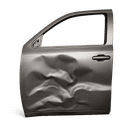
Physical Damage
Can help pay to repair or replace your own truck after an accident, fire, theft, or vandalism.
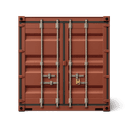
Cargo Coverage
May pay for damage to or theft of the freight you are hauling while it is in your care.
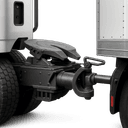
Trailer Interchange
Can help cover damage to trailers you haul under an interchange agreement but do not own.

Bobtail Coverage
May provide liability protection when you drive your tractor without a trailer attached, such as after dropping off a load.

Non-Trucking Liability
Can help cover accidents that happen when you use your truck for personal errands rather than dispatched work.
Commercial Truck Insurance Cost in Rapid City
Average Cost in South Dakota
$360 - $950
per month
Businesses in South Dakota typically see commercial truck insurance premiums of $360 - $950 per month, which tends to run 14% below the national range of $400 - $1,125 per month.
- Radius of operation
- Commodities hauled and cargo value
- Number and value of power units
- Driver motor vehicle records and CDL experience
- DOT safety record, inspections, and FMCSA scores
- Liability limits and physical damage deductibles
Contact CPK Insurance for a personalized quote.
Prices shown are general estimates, not guaranteed rates or quotes. Your actual premium will depend on the insurer, coverage selected, business details, location, claims history, and other underwriting factors. Learn about our pricing methodology.
South Dakota's premium index is 88, which means rates here run roughly 12% below the national average. On a 100-point scale where 100 equals the U.S. average, that 12-point gap can translate into meaningful savings on base rates, though the amount you pay still moves with coverage limits, deductibles, claims history, location, industry risk, and endorsements. A fleet running through hail-prone and winter-weather corridors may see different pricing than a local hauler with shorter routes and fewer overnight miles.
Several state factors can affect what you pay. Severe storm risk is rated very high, hailstorm risk is very high, and winter storm risk is high, all of which can influence physical damage coverage and collision-related losses. The state also logged 16,000 crashes and 152 fatalities in 2023, with lane departure, speeding, weather conditions, and following too closely among the top causes. That level of crash activity can affect underwriting for truck liability and physical damage pricing, meaning carriers may scrutinize your driver records and route history more closely when setting your premium. South Dakota's active insurance market creates competition, so quotes can vary materially from carrier to carrier. Because 99.1% of the state's 28,600 businesses are small operations, many trucking buyers are looking at single-truck or small-fleet pricing rather than large national fleet programs, which means carriers in this market are often set up to work with operations your size.
Industries & Insurance Needs in Rapid City
The county business mix is what most clearly changes truck demand here. In Pennington County, the leading sectors by establishment share are retail trade at 14.4%, construction at 12.4%, and health care and social assistance at 10.7%, so many local truck risks are tied to delivery schedules, contractor supply runs, service fleets, and time-sensitive support work rather than one uniform freight pattern.
That affects how you should build the quote. A contractor moving materials between suppliers and jobs may need different liability, physical damage, and trailer assumptions than a retail delivery operation with repeated stops, or a service fleet supporting health care accounts with tighter timing expectations. Give the underwriter a clear description of what each unit does, where it parks, who drives it, and whether it hauls tools, materials, inventory, or specialized equipment. The more precisely the operation is classified, the better chance you have of avoiding a policy that prices one exposure while your trucks are doing another.
What Makes Rapid City Different
The main difference here is account concentration in a smaller business community. In a large metro, you may have more interchangeable prospects and more carrier appetite for mixed truck risks. Here, a smaller circle of shippers, contractors, vendors, and service accounts can make proof of coverage and contract fit matter more than broad market shopping.
That shows up in how policies get tested. If a broker asks for higher liability limits, a jobsite requires additional insured status, or a customer wants certificates turned around quickly, a basic truck policy can become a bottleneck if it was quoted without those operating details. The county's 4,092 business establishments create plenty of commercial activity, but they also mean relationships and responsiveness carry weight, so a missed certificate or a mismatch between scheduled vehicles and actual use can cost you work faster than in a deeper market. Review endorsements, certificate turnaround expectations, and any contract language before renewal, not after a load is delayed or a customer pushes back.
Our Recommendation for Rapid City
Start with the paperwork that underwriters and contract partners actually use. Provide a current vehicle schedule, VINs, stated values, driver information, garaging address, operating radius, and a short description of what each truck does during a normal week. If one unit handles mixed work, say so clearly instead of letting the policy be built around a narrower description.
Next, line up your insurance with the accounts you want to keep. If you serve retail, construction, or service-related customers, ask whether your liability limits, physical damage deductibles, trailer coverage, and certificate process fit those jobs before renewal binds. Pennington County's business mix leans toward retail trade, construction, and health care and social assistance, so many operators here benefit from reviewing stop frequency, loading and unloading activity, and any tools or materials carried on the truck. If household budgets are tight, that matters too: Rapid City median household income is $65,712, so downtime, out-of-pocket deductibles, and missed work can hit harder than a slightly higher premium. Compare policy structure, not just price.
Get Commercial Truck Insurance in Rapid City
Enter your ZIP code to compare commercial truck insurance rates from carriers in Rapid City, SD.
Business insurance starting at $25/mo
FAQ
Frequently Asked Questions
Rapid City truck quotes move faster when you have your vehicle schedule, driver list, garaging address, operating radius, and contract insurance requirements ready. In a smaller local market, that detail helps underwriters decide appetite and helps you avoid a policy that does not match the work.
Pennington County has 4,092 business establishments, so many trucking jobs start with vendor approval, site access, or broker onboarding. That makes certificate turnaround and correct endorsements a practical buying issue, not just an administrative detail.
Rapid City accounts often do mixed work, and customer type can change the review. In Pennington County, retail trade is 14.4% of establishments and construction is 12.4%, so stop frequency, loading activity, and jobsite access should be described clearly.
Rapid City buyers usually need to balance both. The local median household income is $65,712, so a deductible that looks manageable on paper can still strain cash flow if a truck is down and revenue stops at the same time.
Rapid City policyholders with regulator questions can use the South Dakota Division of Insurance. That is most useful when you need official complaint information, licensing verification, or help understanding a policy issue after you have already reviewed it with your agent.
It may include motor carrier liability, physical damage, cargo coverage, trailer interchange, bobtail coverage, and non-trucking liability, with the exact mix depending on whether you haul locally, regionally, or long haul in South Dakota.
South Dakota's commercial auto minimums are listed at $25,000/$50,000/$25,000, but trucking contracts and freight rules may require higher liability limits, especially for general freight or hazardous materials.
The typical range starts at about $360 to $950 per month, with cost shaped by limits, deductibles, claims history, location, and endorsements.
Sources
- 1.U.S. Census Bureau, County Business Patterns, Pennington County(In Pennington County, there are 4,092 business establishments, so local trucking accounts often depend on being able to show current coverage quickly before a load, vendor setup, or site entry moves forward.; In Pennington County, the leading sectors by establishment share are retail trade at 14.4%, construction at 12.4%, and health care and social assistance at 10.7%, so many local truck risks are tied to delivery schedules, contractor supply runs, service fleets, and time-sensitive support work rather than one uniform freight pattern.)
- 2.U.S. Census Bureau, ACS 5-Year Estimates, table B19013(Rapid City median household income is $65,712, so downtime, out-of-pocket deductibles, and missed work can hit harder than a slightly higher premium.)
- 3.South Dakota Division of Insurance(Rapid City policyholders with regulator questions can use the South Dakota Division of Insurance.)
Updated July 5, 2026





