








































Updated July 16, 2026

Garage Keepers Insurance in Rapid City
Rapid City sits in Pennington County, home to roughly 4,092 business establishments. That many shops in one county tells a carrier the local market is active, so underwriters expect competition for fleet accounts and everyday drivers who expect a professional handoff when their vehicle stays in your care. If you run a repair shop, body shop, tire store, dealership service lane, or towing yard, your operation has a specific rhythm of parking, moving, and securing cars between drop-off and pickup, and your policy may help match it. The real question is how your shop handles the mix of personal vehicles, work trucks, and higher-use commercial units that tend to generate larger claim disputes when damage is discovered. A prepared buyer comes ready to show where vehicles sit overnight, who has access to keys, whether customer units are ever road-tested, and how you document pre-existing damage at check-in. That detail helps an underwriter separate a tightly run operation from one with avoidable custody losses.
Garage Keepers Insurance Risk Factors in Rapid City
Rapid City's top risk factors include Severe weather, Property crime, Flooding, and Vehicle accidents.
South Dakota has a high climate risk rating. Top hazards: Severe Storm (Very High), Tornado (High), Hailstorm (Very High), Winter Storm (High). The state's expected annual loss from natural hazards is $480M, which influences garage keepers insurance premiums and may affect coverage availability in high-risk areas.
What Garage Keepers Insurance Covers
If your operation leaves vehicles outside overnight, the review should center on weather exposure, lot security, lighting, fencing, and whether employees reposition units during the day. If you store vehicles indoors, underwriters still want to understand fire controls, key handling, and how tightly vehicles are parked inside the building.
This matters in South Dakota because severe weather can turn a routine service schedule into a custody loss quickly. The state averages 30 to 40 hail days per year, and a single storm can damage every vehicle on an open lot at once. A shop that takes in vehicles for diagnostics in the morning may still have them on site after closing if parts are delayed, and that changes the exposure from a short service visit to overnight storage. A towing or impound operation has a different pattern again, because vehicles may arrive damaged, disabled, or outside staffed hours, which makes condition documentation and photo intake more important.
You should also review how your policy lines up with your actual workflow. Ask whether your operation ever road tests customer vehicles, where keys are stored during business hours and overnight, who is allowed to move vehicles, and whether subcontractors ever touch units on your lot. If your business handles higher value pickups, collector vehicles, or seasonal equipment, ask for limits that reflect the total value parked on site at one time.
Coverage Included
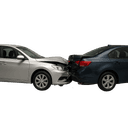
Collision Coverage
Covers damage to customers' vehicles from collisions while in your care.

Comprehensive Coverage
Covers theft, vandalism, fire, and weather damage to customers' vehicles.

Specified Perils
Covers only specifically named perils at a lower premium.

Legal Liability
Covers damage you or your employees directly cause to a customer's vehicle.

Direct Primary
Pays regardless of fault, the broadest garage keepers coverage available.
Industries & Insurance Needs in Rapid City
County business mix is the local pressure point. In Pennington County, retail trade accounts for 14.4% of establishments, construction 12.4%, and health care and social assistance 10.7%, so many shops here are not only handling commuter cars but also service vans, pickups, and business-use vehicles that need to get back on the road quickly. For a garage keepers buyer, that changes the conversation from simple vehicle count to vehicle use, downtime sensitivity, and documentation discipline. A contractor's truck with tools, a retail delivery unit, or a health care support vehicle can turn a minor damage dispute into a larger customer relationship problem. When you request quotes, describe the share of business-use vehicles you hold, whether any units stay multiple days awaiting parts, and how you separate customer vehicles from your own inventory or loaners. That gives the carrier a cleaner picture of your real custody exposure.
What Makes Rapid City Different
Your commercial vehicle mix is what changes the calculus in this market. Rapid City's economy ties closely to sectors like retail, construction, and health care, which means a local shop is more likely to take custody of vehicles that are part of someone's revenue stream, not just household transportation. That matters because claim pressure after a loss often starts with how fast the customer needs the unit back, what condition was documented at intake, and whether the vehicle was stored in a way that matches your stated procedures. A proper review focuses on operational proof you already have on hand: intake photos, signed work orders, key control, lot layout, and where vehicles wait after hours. If your current policy was quoted from a short application and little else, it is worth asking whether the carrier actually understood your mix of personal and business-use vehicles. Compare quotes using the same storage, security, and vehicle-handling details so you can see meaningful differences in terms, not just price.
Our Recommendation for Rapid City
Start with your intake process. If you do not consistently photograph each vehicle, note existing damage, and record where it is parked after hours, consider addressing that before you shop, because those habits affect both underwriting and claim handling. Next, sort your exposures by operation, whether that means repair work, body work, towing storage, dealership service, or overflow parking for unfinished jobs. A carrier will price and review those activities differently when customer vehicles stay on site. If you serve contractors or other business customers, ask specifically how the policy responds when a work truck or van is damaged while waiting for parts or pickup. Review who can move customer vehicles, where keys are stored, and whether any units are kept off-site or in shared lots. If your current renewal is approaching, gather a recent vehicle count by day, your maximum overnight count, and a short description of fencing, lighting, and check-in procedures before requesting a quote.
Get Garage Keepers Insurance in Rapid City
Enter your ZIP code to compare garage keepers insurance rates from carriers in Rapid City, SD.
Business insurance starting at $25/mo
FAQ
Frequently Asked Questions
Rapid City buyers are usually being asked to show true custody exposure. Overnight count helps the carrier judge how many customer vehicles can be damaged in one incident, so your quote may reflect normal and peak storage rather than a rough guess.
Rapid City area underwriting often changes when you regularly hold work trucks, vans, or fleet units. Pennington County's business mix includes retail trade at 14.4%, construction at 12.4%, and health care and social assistance at 10.7%. Those sectors rely on vehicles that earn revenue, so a damaged work truck can idle a crew and raise the stakes on every claim.
Pennington County has 4,092 business establishments, which signals a dense local commercial market. That many operations in one county means shops compete hard for repeat customers and account work. In a crowded field, clear intake records, key control, and claim-ready procedures become more important when comparing policies.
Rapid City service businesses may benefit from reviewing limits before adding more commercial accounts. A contractor or service vehicle can create a larger dispute after damage is found, so ask your agent to compare limit options against your highest-value units on site.
Rapid City's median household income is $65,712. For many households, an unexpected repair bill or rental expense can strain the budget, making customers quicker to push back on delays, rental costs, and disputes over pre-existing damage. For a shop owner, that makes documented check-in condition and fast claim reporting worth tightening before renewal.
Yes. Any South Dakota repair shop where customer vehicles remain overnight, especially on outdoor lots, should carry this coverage. The longer a vehicle stays in your custody, the more important it is to review storage conditions, key control, and how damage is documented at drop off.
South Dakota averages 30 to 40 hail days per year, and a single storm can damage every vehicle on an open lot. If your operation regularly stores customer units outside after closing, your quote should reflect that exposure rather than a standard indoor service bay assumption.
South Dakota insurance oversight runs through the South Dakota Division of Insurance. If you are comparing policy language, filing a complaint, or confirming state oversight, that is the regulator your agent and policy documents should align with.
Sources
- 1.U.S. Census Bureau, County Business Patterns, Pennington County(Pennington County has 4,092 business establishments, so local auto service shops compete in a market where commercial customers, fleet accounts, and everyday drivers often expect a professional handoff when a vehicle stays in your care.; In Pennington County, retail trade accounts for 14.4% of establishments, construction 12.4%, and health care and social assistance 10.7%, so many shops here are not only handling commuter cars but also service vans, pickups, and business-use vehicles that need to get back on the road quickly.)
- 2.U.S. Census Bureau, ACS 5-Year Estimates, table B19013(Rapid City's median household income is $65,712, so many customers may be sensitive to repair delays, rental costs, and disputes over pre-existing damage.)
Updated July 16, 2026





