







































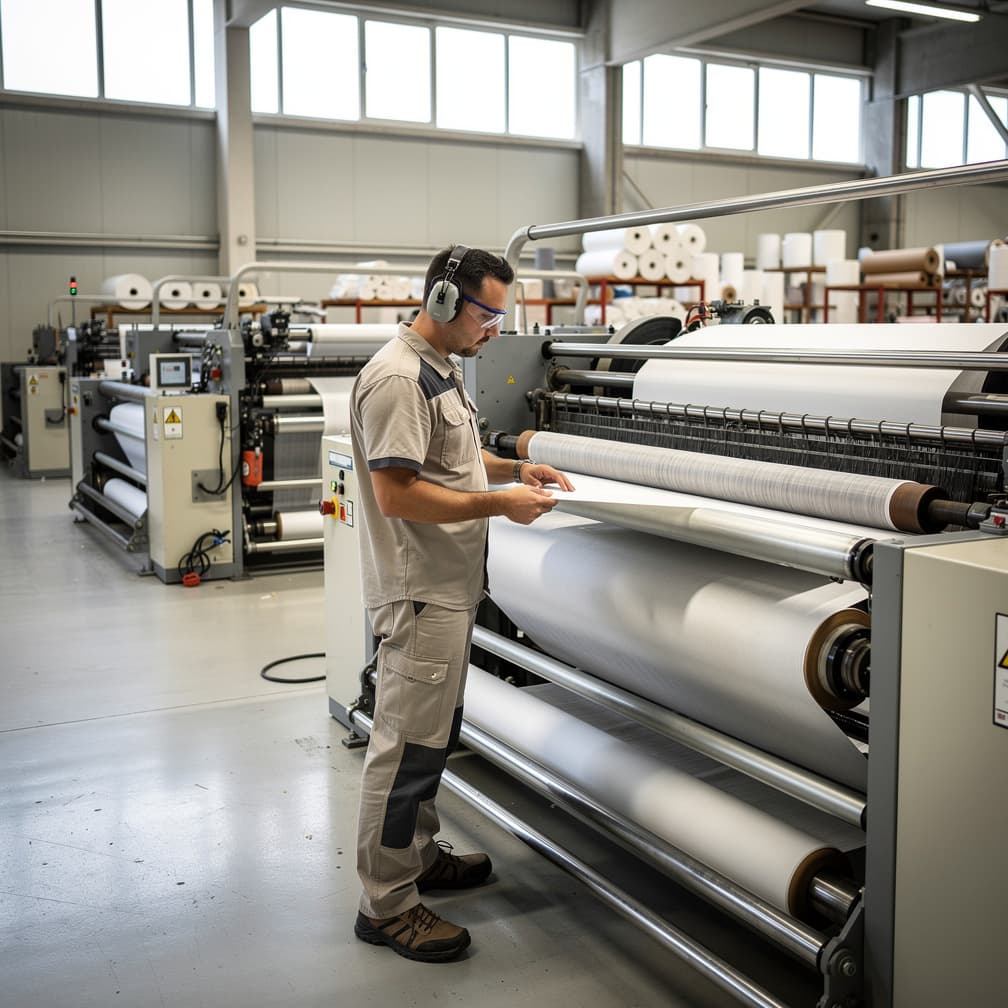

Payroll, not floor space, drives the largest variable line on a textile plant's insurance bill. Workers' Compensation is rated per hundred dollars of payroll, so a cut-and-sew crew and a maintenance tech never cost the same to insure. Textile manufacturer insurance in Sioux Falls therefore begins with honest job classification, and a misfiled code surfaces at audit when the correction is no longer up for debate. Equipment schedules come next, because a loom still carried at a purchase price from years back is an argument waiting for a claim. Fire protection, lint housekeeping, and how finished rolls are stored all feed the property rate. None of that shows in a headline number, which is why two quotes for one plant in Minnehaha County can land far apart. Read the schedules, then compare.
What Makes Sioux Falls Different
Certificates expire, contracts do not, and that mismatch stalls more work than any denied claim. The document a buyer holds is a snapshot of your policy on the day it was issued. Cancel a line mid-term and the snapshot keeps saying something that stopped being true weeks ago. Nobody gets told automatically unless the certificate holder was set up to receive notice. Some carriers in South Dakota handle that notice differently, so confirm it rather than assume. Keep a running list of who holds your paper and treat it as an operating record. When a plant in Sioux Falls switches carriers, every holder on that list needs a fresh document. The list stays dull right up until a shipment waits on a dock over a stale form.
Local Risk Factors in Sioux Falls
After a severe storm passes, the plants that recover fastest are the ones that documented everything beforehand. A commercial property policy generally answers for wind, hail, and debris impact to the building and its contents, which is most of a mill's exposure. The honest gap is water: flooding driven by the same system falls outside the form and needs a separate flood policy. Photograph looms, dye equipment, and finished rolls now, and store the inventory records somewhere off the plant floor. A plant in Sioux Falls with current values and a stocked shutdown kit turns a chaotic week into a manageable one. Check the South Dakota Division of Insurance's guidance before deciding how high to set the business income limit for Minnehaha County.
What Coverage Does a Textile Manufacturer in Sioux Falls Need?
General Liability
Landlords, buyers, and event venues usually ask for it before they let you operate or ship. General Liability can help cover third-party bodily injury and property damage, such as a delivery driver hurt on your floor or a visitor's damaged goods. It typically excludes damage to your own stock and machinery, which belongs with property coverage instead.
Example: A vendor slips on a wet spot near the dye line and later files a claim for a hurt back. General Liability may respond to the medical bills and your legal defense, up to the policy limit.
Commercial Property
Your building, your looms and finishing equipment, and the raw and finished stock on the floor are the core of what this line addresses. Commercial Property may help cover fire, theft, and sudden water damage to those assets. Flood and slow wear are typically excluded, and a business income limit is what carries the weeks a loss keeps the line down.
Example: A finishing-room fire spreads to a rack of finished rolls one night at a plant in Sioux Falls, and smoke reaches stock the flames never touched. Commercial Property may respond to the damaged goods and the building, subject to your deductible.
Workers Compensation
A loom operator catches a hand in a moving part, or a dye-house worker strains a back lifting a roll: those on-the-job injuries are what this line is meant for. Workers' Compensation can help cover medical treatment and lost wages, and it is rated on payroll and job class. It generally does not respond to a customer or vendor injury, which falls to general liability.
Example: During a night run at a Sioux Falls mill, a sewing operator's hand is caught in a machine, and she needs surgery and weeks off. Workers' Compensation can help with the medical bills and a portion of her lost wages.
Tools & Equipment (Inland Marine)
What a standard building policy leaves behind the moment gear leaves the building is exactly what this line picks up. Inland Marine can help cover portable tools, testing gear, and mobile equipment while off site or in transit. It usually does not reach the fixed production line, which stays with your property policy, and it works best when each item is scheduled at replacement cost.
Example: A portable fabric inspection unit is knocked off a cart and cracked while being moved to a trade show. Inland Marine could respond to the repair or replacement, wherever the damage happened.
Commercial Umbrella
Where an underlying liability limit stops, this layer continues. Commercial Umbrella can help cover a judgment or settlement that runs past your General Liability limit, which matters when a buyer's contract demands a high figure. It sits on top of existing policies rather than replacing them, and it does nothing until the underlying limit is exhausted.
Example: A product-defect suit over a bad dye lot settles for more than the General Liability limit can absorb. A Commercial Umbrella may pick up the excess, so one large claim does not reach the plant's own accounts.
How Much Does Textile Manufacturer Insurance Cost in Sioux Falls?
Textile Manufacturer Insurance is a bundle of separate policies, priced separately. The ranges below are typical figures for Sioux Falls for each line, except workers compensation, which is rated per $100 of payroll; a quote prices each one against your own operations.
| Coverage | Typical range | What moves your price |
|---|---|---|
| General Liability Insurance | $95 - $360 per month | Industry and risk classification, annual revenue, number of employees |
| Commercial Property Insurance | $190 - $700 per month | Building value and construction type, roof age and condition, fire protection class |
| Workers Compensation Insurance | $0.75 - $2.74 per $100 of payroll | Employee classification codes, total annual payroll, experience modification rate |
| Inland Marine Insurance | $30 - $120 per month | Total insured value of the scheduled property, type and age of the equipment, where it is stored and how far it travels |
| Commercial Umbrella Insurance | $75 - $250 per month | Umbrella limit requested, limits carried on the underlying policies, loss history on those underlying policies |
Prices shown are general estimates, not guaranteed rates or quotes. Your actual premium will depend on the insurer, coverage selected, business details, location, claims history, and other underwriting factors. Learn about our pricing methodology.
What Are the Insurance Requirements for a Textile Manufacturer in Sioux Falls?
Workers' comp is generally required once you have your first employee. South Dakota generally requires employers to carry workers' compensation at that point. Common exemptions include sole proprietors, partners, and some agricultural workers. Confirm current thresholds with your state's workers' compensation agency before you hire.
Where to verify licensing and coverage rules. The South Dakota Division of Insurance publishes consumer guidance and current insurance requirements for South Dakota businesses. When a contract or lease demands specific wording, the South Dakota Division of Insurance's guidance is the authoritative place to check.
Get Your Textile Manufacturer Quote in Sioux Falls
Compare rates from multiple carriers. Free quotes, no obligation.
Operating in Sioux Falls
- Underwriters read your housekeeping as closely as your revenue: lint and fiber dust around heat-producing equipment push the fire rate up, and a documented cleaning routine can pull it back down.
- Vendors, inspectors, and delivery drivers cross a plant floor every day, and a single slip near a running machine can become a third-party injury claim that lands on your general liability.
- An equipment list that was never updated after the last upgrade quietly underinsures the plant, because a machine carried at an old purchase price pays out far less than it costs to replace.
- A lender financing a loom usually requires loss-payee wording before releasing funds, so a plant in Sioux Falls can satisfy the bank in full and still leave its own finished stock underinsured.
How to Buy: Advice for Sioux Falls Owners
Limits and deductibles are the two dials that decide what a policy actually does in a bad year. A higher deductible lowers the premium and hands you the small losses you can absorb without a claim. Spend the savings on higher limits, where a fire or a lawsuit can run past a thin General Liability cap. A Commercial Umbrella extends several underlying limits at once, which is often cheaper than raising each separately. Set the deductible to what a plant in Sioux Falls could write a check for tomorrow, not to the lowest option. The South Dakota Division of Insurance publishes consumer guidance on how deductibles affect a claim. With the dials set, compare quotes from participating carriers on identical limits.
FAQ
Textile Manufacturer Insurance in Sioux Falls: FAQ
Yes, and it is routine. A landlord behind a Sioux Falls lease can ask to be added as an additional insured and can demand a certificate before handing over keys. Naming them on a certificate is not the same as the endorsement that actually grants those rights, so build the endorsement into the policy from the start. Missing it can stall a lease signing for weeks.
Usually not. Flood and rising surface water typically sit outside a commercial property form and are written as separate coverage. A storm-driven roof leak that lets water in from above is treated differently from water rising off the ground outside. If your building or inventory sits anywhere floodwater can reach, ask about a separate flood policy rather than assuming the property form reaches it.
Per-occurrence is the ceiling on any single claim; aggregate is the ceiling across the entire policy term. A run of claims in one bad year can use up the aggregate even while each per-occurrence limit still looks healthy. The buyer checking your certificate sees the stated numbers, never how much is already spent. Track what you have promised and how much of the aggregate remains.
The shipment can stop even though nothing is wrong with the goods. Buyers with automated compliance systems flag an expired certificate instantly, and the order freezes until fresh proof arrives. A plant in Sioux Falls can lose a delivery window to a paperwork gap that has nothing to do with a claim. Set renewal dates against your largest contracts so the document never trails the obligation behind it.
That is what Inland Marine is built for. A property policy tends to stay tied to the described location, while Inland Marine can follow tools and mobile equipment off site or in transit. Fixed production machinery is a separate question and may need equipment breakdown wording. Schedule portable items at current replacement cost, because a stale value means a short settlement if one is lost or damaged.
It can, through products and completed-operations coverage inside a general liability policy. If a finished roll fails a wash test or a dye lot is off spec after delivery, a third party may claim damages and the policy can respond to defense and settlement. Intentional acts and simply reworking your own product are usually excluded. Ask how defense costs are treated, because on a disputed lot they can outrun the claim itself.
Sources
- 1.South Dakota Division of Insurance(South Dakota Division of Insurance publishes consumer guidance for insurance buyers.)


