







































Updated July 16, 2026

Commercial Truck Insurance in Sioux Falls
If you operate trucks in Sioux Falls, your insurance needs to account for a metro economy that stays busy, routes that shift from city streets to regional freight lanes quickly, and higher-than-average vehicle theft exposure. The city has 5,005 business establishments and a cost of living index of 88, which keeps overhead manageable but leaves owner-operators and small fleets sensitive to every operating cost. That sensitivity means even small premium differences can tip a route from profitable to marginal, so shopping quotes carefully matters more here than in lower-cost markets. Your policy should reflect where the truck is stored, how often it is on the road, and what kind of cargo you carry.
Commercial Truck Insurance Risk Factors in Sioux Falls
Sioux Falls adds a few city-level pressures that can change how carriers view commercial truck insurance. Vehicle theft is a real underwriting factor here, with motor vehicle theft at 1,060.2 and a property crime rate of 1,902.7, which can affect physical damage coverage for trucks and cargo insurance for trucks when equipment is parked in unsecured areas. The city also logged **4,865 annual crashes in 2023**, with following too closely, reckless driving, running red lights or stop signs, and distracted driving among the top causes. For trucking, that means collision exposure is tied not just to highway miles but to local stop-and-go traffic, loading zones, and tight delivery schedules. Flooding is another localized issue because **9% of the city sits in a flood zone**, so route planning and where a tractor or trailer is staged can matter. Severe weather is also a top risk factor, which can influence truck liability insurance in Sioux Falls and physical damage pricing when units are exposed to storm-related losses.
South Dakota has a high climate risk rating. Top hazards: Severe Storm (Very High), Tornado (High), Hailstorm (Very High), Winter Storm (High). The state's expected annual loss from natural hazards is $480M, which influences commercial truck insurance premiums and may affect coverage availability in high-risk areas.
What Commercial Truck Insurance Covers
Your policy usually starts with motor carrier liability, which is the core protection for bodily injury and property damage tied to trucking operations. The state's commercial auto minimums apply, but many trucking operations need higher limits because freight contracts, shippers, and brokers often ask for more than the minimum. For general freight carriers, federal rules reference at least $750,000 in liability coverage, and hazardous materials can require $1 million to $5 million. Your contracts, not just the state minimum, should drive the limit you choose.
South Dakota trucking policies can also include physical damage coverage, cargo insurance, trailer interchange, bobtail coverage, and non-trucking liability insurance. Those options matter on routes that cross open prairie, winter-weather corridors, and storm-prone areas where hail and severe storms are common. Cargo coverage is typically written as a separate section, so it should be reviewed carefully against the type of freight you haul through places like Pierre, Mitchell, and the Sioux Falls freight corridor. Trailer interchange can be important if you use non-owned trailers in regional or long haul work. Coverage terms and exclusions vary by carrier, endorsement, and your trucking profile, so a South Dakota quote should be checked against the loads, lanes, and vehicles you actually run.
Coverage Included

Motor Carrier Liability
Can help cover injuries and property damage your truck causes to others, a coverage federal regulators require most for-hire carriers to maintain.
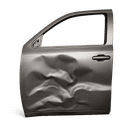
Physical Damage
Can help pay to repair or replace your own truck after an accident, fire, theft, or vandalism.
Cargo Coverage
May pay for damage to or theft of the freight you are hauling while it is in your care.
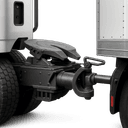
Trailer Interchange
Can help cover damage to trailers you haul under an interchange agreement but do not own.
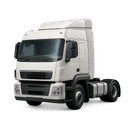
Bobtail Coverage
May provide liability protection when you drive your tractor without a trailer attached, such as after dropping off a load.

Non-Trucking Liability
Can help cover accidents that happen when you use your truck for personal errands rather than dispatched work.
Commercial Truck Insurance Cost in Sioux Falls
Average Cost in South Dakota
$360 - $950
per month
Businesses in South Dakota typically see commercial truck insurance premiums of $360 - $950 per month, which tends to run 14% below the national range of $400 - $1,125 per month.
- Radius of operation
- Commodities hauled and cargo value
- Number and value of power units
- Driver motor vehicle records and CDL experience
- DOT safety record, inspections, and FMCSA scores
- Liability limits and physical damage deductibles
Contact CPK Insurance for a personalized quote.
Prices shown are general estimates, not guaranteed rates or quotes. Your actual premium will depend on the insurer, coverage selected, business details, location, claims history, and other underwriting factors. Learn about our pricing methodology.
South Dakota's premium index is 88, which means rates here run roughly 12% below the national average. On a 100-point scale where 100 equals the U.S. average, that 12-point gap can translate into meaningful savings on base rates, though the amount you pay still moves with coverage limits, deductibles, claims history, location, industry risk, and endorsements. A fleet running through hail-prone and winter-weather corridors may see different pricing than a local hauler with shorter routes and fewer overnight miles.
Several state factors can affect what you pay. Severe storm risk is rated very high, hailstorm risk is very high, and winter storm risk is high, all of which can influence physical damage coverage and collision-related losses. The state also logged 16,000 crashes and 152 fatalities in 2023, with lane departure, speeding, weather conditions, and following too closely among the top causes. That level of crash activity can affect underwriting for truck liability and physical damage pricing, meaning carriers may scrutinize your driver records and route history more closely when setting your premium. South Dakota's active insurance market creates competition, so quotes can vary materially from carrier to carrier. Because 99.1% of the state's 28,600 businesses are small operations, many trucking buyers are looking at single-truck or small-fleet pricing rather than large national fleet programs, which means carriers in this market are often set up to work with operations your size.
What Makes Sioux Falls Different
Compared with a purely rural market, trucks in Sioux Falls are more likely to face theft risk, stop-and-go traffic, loading dock activity, and frequent parking decisions around customer sites. That changes the insurance calculus because your policy is not only about miles driven. It is also about where the rig sits overnight, how often it enters dense business areas, and whether the operation moves high-value freight through a city with a 111 overall crime index and elevated motor vehicle theft. In practical terms, a truck parked on an unlit lot in a busy corridor is simply more likely to be broken into or struck by passing traffic, which directly shapes how carriers price your coverage. For many buyers, that makes physical damage coverage and cargo insurance more central to the policy design. The local business mix also plays a role, since healthcare, retail, and food service can create tighter delivery windows and more frequent stops. That raises the importance of route discipline and accurate garaging information on your quote.
Our Recommendation for Sioux Falls
Start by mapping your truck's real operating pattern so the quote reflects where the unit is parked, whether trailers are left on-site, and how often it is exposed to theft-prone or high-traffic areas. Ask carriers how they treat security features, parking locations, and overnight storage when pricing your policy, since those factors carry real weight in a market with elevated theft exposure. Review cargo insurance carefully if you haul retail, healthcare, food, or other time-sensitive freight. For fleets, keeping driver records, route descriptions, and annual mileage consistent across every quote lets you compare offers on the same terms. If your operation uses trailers or mixed-use tractors, confirm that your motor carrier liability coverage matches your contracts and that the policy language fits your actual dispatch and parking habits.
Get Commercial Truck Insurance in Sioux Falls
Enter your ZIP code to compare commercial truck insurance rates from carriers in Sioux Falls, SD.
Business insurance starting at $25/mo
FAQ
Frequently Asked Questions
Sioux Falls has a denser business environment, higher motor vehicle theft exposure, and more stop-and-go traffic than many parts of the state, so coverage often needs to account for parking, cargo handling, and collision risk.
Not always. Local delivery trucks may need stronger collision and physical damage coverage because of frequent stops, while regional haulers may need broader motor carrier liability coverage and cargo protection.
A higher motor vehicle theft rate can influence how carriers look at where the truck is stored, whether trailers are secured, and whether physical damage coverage should be priced with stronger protection features in mind.
Give your insurer a clear picture of how the truck actually works each day, including where it parks, what routes it runs, what cargo it carries, and whether it serves healthcare, retail, food service, or other local industries. That detail helps the quote match your real exposure instead of a generic profile.
Yes. Short-haul routes still see theft, loading damage, and collision losses when freight moves through busy commercial areas or gets staged at multiple customer sites.
It may include motor carrier liability, physical damage, cargo coverage, trailer interchange, bobtail coverage, and non-trucking liability, with the exact mix depending on whether you haul locally, regionally, or long haul in South Dakota.
South Dakota's commercial auto minimums are listed at $25,000/$50,000/$25,000, but trucking contracts and freight rules may require higher liability limits, especially for general freight or hazardous materials.
The typical range starts at about $360 to $950 per month, with cost shaped by limits, deductibles, claims history, location, and endorsements.
Updated July 16, 2026





