








































Updated July 5, 2026

Garage Keepers Insurance in Knoxville
A tighter local market changes how you shop for this coverage. You may see fewer carriers willing to look at a small repair shop, detail operation, or dealer service lane unless your submission is clean, your lot controls are documented, and your customer handoff process is easy to follow. That is why garage keepers insurance in Knoxville usually gets decided less by broad marketing language and more by whether an underwriter can understand your daily vehicle flow. Here, relationships also matter. Property managers, fleet accounts, and commercial customers often want prompt proof of coverage before they leave units with you, especially if vehicles stay overnight or move between a front lot, fenced storage, and a back work area. In a market this size, a weak application can narrow your options quickly, while a well-documented one can keep more doors open. Before you request quotes, line up your storage layout, key control steps, employee driver rules, and release procedures so the policy review matches how customer vehicles are actually handled.
Garage Keepers Insurance Risk Factors in Knoxville
Knoxville's top risk factors include Tornado damage, Hail damage, Severe storm damage, and Wind damage.
Tennessee has a high climate risk rating. Top hazards: Tornado (Very High), Flooding (High), Severe Storm (High), Earthquake (Moderate). The state's expected annual loss from natural hazards is $1.8B, which influences garage keepers insurance premiums and may affect coverage availability in high-risk areas.
What Garage Keepers Insurance Covers
In Tennessee, the practical coverage review starts with your lot layout and custody pattern, not a generic checklist. If customer vehicles are parked tightly behind the shop, staged in a side yard waiting on parts, or left outside after hours for next-day pickup, you need to see how the policy responds to the way those vehicles are actually held between arrival and departure. That review matters most for businesses that combine service, storage, and vehicle movement in the same day.
Ask how the policy treats vehicles stored outdoors versus indoors, whether temporary overflow parking changes the underwriting picture, and whether employee movement between bays, wash areas, alignment racks, and pickup lanes creates any conditions you should disclose. If your business uses a fenced lot, shared parking area, secondary storage location, or tow-in holding space, those details belong in the application rather than in a claim file later.
You should also look closely at your handoff procedures. Photo documentation, pre-existing damage notes, key tagging, and signed drop-off instructions can make a real difference when a customer disputes when damage happened. If you road test vehicles, move them off premises, or leave them waiting for customer pickup after business hours, ask for those facts to be reflected clearly in the quote discussion.
Weather-related exposure is also part of the conversation even when the policy language is the same from one state to another. If vehicles sit outside, review whether your storage plan, drainage, tree exposure, and building access create concentrations of risk that should affect limits, deductibles, or where you park higher-value units.
Coverage Included
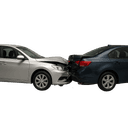
Collision Coverage
Covers damage to customers' vehicles from collisions while in your care.

Comprehensive Coverage
Covers theft, vandalism, fire, and weather damage to customers' vehicles.
Specified Perils
Covers only specifically named perils at a lower premium.

Legal Liability
Covers damage you or your employees directly cause to a customer's vehicle.

Direct Primary
Pays regardless of fault, the broadest garage keepers coverage available.
Industries & Insurance Needs in Knoxville
Knox County business density changes the buying conversation because customer vehicles often come from other businesses, not just individual drivers. The county has 12,350 business establishments, so local shops, service departments, and towing operators may be asked to handle company cars, vendor vans, and employee vehicles tied to commercial accounts. That raises the importance of clear intake records, driver authorization, and release documentation, because a claim can involve a business owner, fleet manager, or lease contact instead of one retail customer. The county mix also matters: retail trade accounts for 14.3% of establishments, health care and social assistance 12.4%, and professional, scientific, and technical services 10.4%. So if you serve delivery vehicles, medical office staff cars, or professional fleets, ask for a quote review that reflects who leaves vehicles with you, how long they stay, and whether any units are parked after hours.
What Makes Knoxville Different
Tighter carrier appetite is the main thing that changes the calculus here. In a smaller metro, you usually have less room for a vague submission or a loosely described operation. If your application says "repair shop" but does not explain whether you road test vehicles, store them outside, keep keys in a lockbox, or move units between addresses, some markets may simply pass. That makes preparation more important than shopping volume. You want your quote request to show how vehicles are received, where they are parked during the day and overnight, who can move them, and how releases are verified. If you handle work for nearby businesses, note that clearly too, because commercial accounts often expect faster certificates and cleaner paperwork. The practical takeaway is simple: treat the application like an operations summary, not a formality, and you give yourself a better chance at usable options instead of last minute scrambling.
Our Recommendation for Knoxville
Start with your lot map and your custody chain. Show where waiting vehicles sit, where completed vehicles sit, whether any area is shared with other tenants, and who has access after hours. Then list every person allowed to move customer vehicles, including managers, technicians, porters, and any towing partner you use. If you serve business accounts, separate that from walk in retail work so the insurer can see whether you handle occasional company vehicles or a steady stream of fleet units. Knoxville median household income is $50,994, so many customers here may be price sensitive when repairs run long or storage questions come up. That makes signed intake forms, documented existing damage, and clear release rules even more important, because disputes over a customer's vehicle condition or delay can escalate quickly. Before binding, ask the agent to review any gap between your written procedures and what staff actually do on a busy day.
Get Garage Keepers Insurance in Knoxville
Enter your ZIP code to compare garage keepers insurance rates from carriers in Knoxville, TN.
Business insurance starting at $25/mo
FAQ
Frequently Asked Questions
Knoxville repair shops should have a clear description of where customer vehicles are parked, who can move them, how keys are controlled, and how releases are verified. In a tighter local market, that operational detail can matter as much as the coverage form.
Knox County business activity does affect documentation needs. With 12,350 business establishments in the county, shops and towing operators may handle more company vehicles, so intake records, driver authorization, and release logs deserve closer review.
Knoxville shops that serve local businesses should explain that mix up front. In Knox County, retail trade is 14.3% of establishments, health care and social assistance 12.4%, and professional, scientific, and technical services 10.4%, so commercial vehicle flow may be a real exposure.
Knoxville customers can make paperwork more important when budgets are tight. The city's median household income is $50,994, so signed intake forms, condition photos, and clear release procedures can help reduce disputes if repairs, storage, or delays become contested.
If you park, store, or move customer cars, the quote should match those exact operations and every location where vehicles may be kept. That holds true even when vehicles stay in your custody only briefly.
Use the same vehicle count, storage setup, deductible, and driver information across every quote. If one assumes indoor storage and another assumes outdoor overflow, the premium difference does not tell you much.
It can change how an underwriter views your exposure because lot security, weather planning, and vehicle concentration all matter. Tell the quoting team where vehicles sit overnight and when overflow parking is used.
Disclose where vehicles are held, how long they typically remain, who can access the yard, and how keys and release paperwork are controlled. Those facts shape a more accurate quote.
Sources
- 1.U.S. Census Bureau, County Business Patterns, Knox County(The county has 12,350 business establishments.; The county mix also matters: retail trade accounts for 14.3% of establishments, health care and social assistance 12.4%, and professional, scientific, and technical services 10.4%.)
- 2.U.S. Census Bureau, ACS 5-Year Estimates, table B19013(Knoxville median household income is $50,994.)
Updated July 5, 2026





