







































Updated July 16, 2026

Inland Marine Insurance in Knoxville
If your tools, diagnostic gear, or customer equipment travel between job sites and temporary storage in Knoxville, you probably need inland marine insurance. A lot of local work happens through service calls and property moving between businesses before a job is finished. A fixed-location property policy may not follow equipment once it is in transit, at a client site, or waiting in a vehicle. If you handle portable medical devices, contractor tools, or laptops used offsite, ask for a quote that schedules property the way it actually moves. The goal is to match coverage terms, valuation, and limits to your real chain of custody before a loss turns into an uncovered argument.
Inland Marine Insurance Risk Factors in Knoxville
Knoxville's local risk factor is **mobile property changing hands often** across short, routine trips. That matters because inland marine claims are often tied to where equipment is between stops: in a van, unloaded at a customer location, staged overnight, or used by an employee away from your main premises. State-level hazard patterns in Tennessee can add weather-related interruption to that movement, but the more useful buying question here is operational: where does your property spend time when it is not inside your building? If the answer includes vehicles, temporary sites, shared workspaces, or customer premises, review whether your form addresses transit, temporary storage, employee-carried equipment, and property of others in your care. You should also check how losses are valued. Replacement cost, scheduled items, and clear descriptions of serial-numbered equipment can matter more than broad assumptions about one address, especially when several crews or departments use the same gear during the week.
Tennessee has a high climate risk rating. Top hazards: Tornado (Very High), Flooding (High), Severe Storm (High), Earthquake (Moderate). The state's expected annual loss from natural hazards is $1.8B, which influences inland marine insurance premiums and may affect coverage availability in high-risk areas.
What Inland Marine Insurance Covers
In Tennessee, inland marine coverage is typically used for property that is mobile, installed away from a primary location, or being moved between locations. It is especially relevant when a commercial property policy stops at the door of a fixed building. For Tennessee businesses, that can include tools, equipment, building materials, goods in transit, contractors equipment, installation floater exposures, and builders risk exposures tied to projects that are underway. The state does not add a special Tennessee-only mandate, but your policy should be matched to the way you operate in Nashville, Memphis, or rural job sites.
Tennessee's high tornado, flooding, and severe storm risk matters because property can be damaged while sitting at a temporary location, parked on a job site, or moving between counties. A policy may also be written with endorsements, deductibles, and limits that change what is protected, so the policy form matters as much as the class of business. Look closely at named-peril versus all-risk forms, and check whether weather-related exclusions or special deductibles apply to wind or flood damage. If you routinely leave tools at customer locations, store materials offsite, or move equipment between projects, your policy should be reviewed line by line against those real-world storage and transit patterns.
Coverage Included
Tools & Equipment
Can help repair or replace hand tools, power tools, and gear that are stolen or damaged on the job or in transit.

Goods in Transit
May cover products, materials, and merchandise while they are being shipped or hauled between locations in your care.
Contractors Equipment
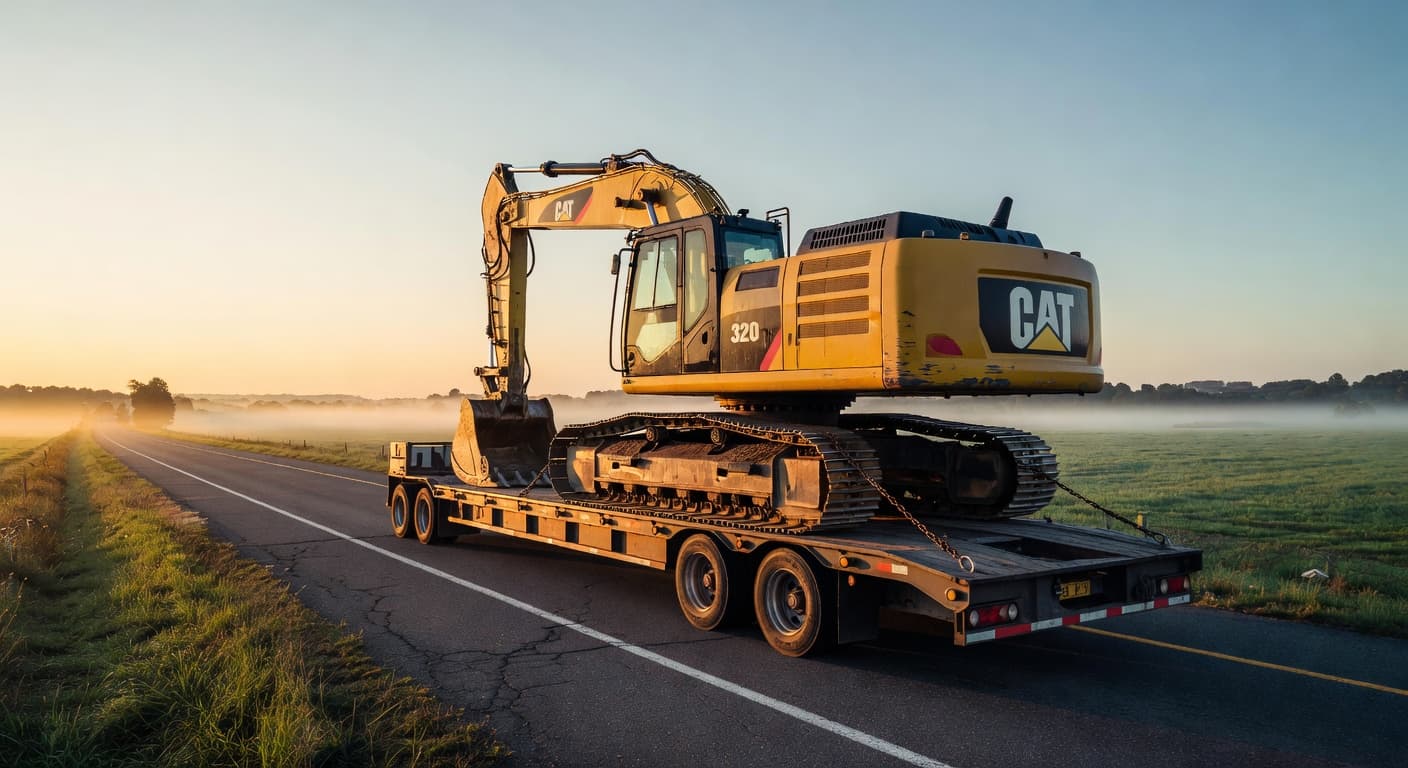
Typically covers heavy machinery like excavators, loaders, and generators against theft or damage at job sites and between them.
Installation Floater
Can help cover materials and fixtures from the moment you buy them until they are installed and accepted at a project.
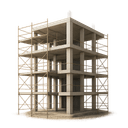
Builders Risk
May cover a structure under construction, along with materials on site, against damage from fire, wind, theft, and vandalism.
Inland Marine Insurance Cost in Knoxville
Average Cost in Tennessee
$25 - $100
per month
Businesses in Tennessee typically see inland marine insurance premiums of $25 - $100 per month, which tends to run 4% above the national range of $20 - $100 per month.
- Total insured value of the scheduled property
- Type and age of the equipment
- Where it is stored and how far it travels
- Jobsite security and theft prevention
- Per-item limits and deductibles
- Prior theft and in-transit losses
Contact CPK Insurance for a personalized quote.
Prices shown are general estimates, not guaranteed rates or quotes. Your actual premium will depend on the insurer, coverage selected, business details, location, claims history, and other underwriting factors. Learn about our pricing methodology.
The average premium range is $25 to $100 per month, while broader small-business averages run $20 to $100 per month, so actual pricing varies by carrier, limits, deductibles, and the specific property being insured. That does not remove the impact of local risk. Tornado exposure, high flooding risk, severe storm history, and a property crime rate of 2,840 incidents per 100,000 residents can all influence how carriers view mobile property losses, especially for tools and equipment that sits on job sites or in temporary storage. That crime rate is above the national median, meaning carriers may apply surcharges or require secure-storage warranties for gear left at unattended sites.
Pricing also depends on claims history, location, industry or risk profile, and policy endorsements. Those factors matter in a state with 168,200 businesses competing for carrier capacity, because carriers may price differently for a contractor in Memphis than for a service business operating across Middle Tennessee. If you want a more accurate number, ask for limits, deductibles, and schedule details that reflect your actual equipment list and routes.
Industries & Insurance Needs in Knoxville
Knox County's industry mix is the local clue. Retail trade accounts for 14.3% of establishments, health care and social assistance 12.4%, and professional, scientific, and technical services 10.4%, so inland marine demand here often comes from stock, devices, and specialized equipment that leave the premises to support sales, treatment, testing, or field work.
That should shape how you build a quote. A retailer may need limits that follow merchandise to temporary selling locations or while it is being delivered. A health care or social assistance operation may need portable equipment and client property reviewed carefully when items move between facilities or into the field. A professional services firm may need laptops, instruments, or diagnostic tools scheduled with enough detail to avoid valuation disputes after theft or damage. Instead of asking only for a generic inland marine policy, ask the agent to map coverage to the property classes you actually move and the places where custody changes.
What Makes Knoxville Different
Knox County has roughly 12,350 business establishments, which means your gear probably passes through more hands than you realize before a job is done. That creates more custody changes and more chances for a gap between your property policy and the way your operation really works. It is whether your revenue depends on property being usable away from the building. Your review should focus on who has the item, where it goes, how it is described on the policy, and whether customer property is included when you take possession.
Our Recommendation for Knoxville
Start by listing the property that actually travels, including tools, laptops, portable testing devices, and any customer property you pick up, repair, or transport. Note where each item goes during a normal week, whether that is a vehicle, client site, or employee custody, and ask the quote to separate scheduled high-value items from lower-value classes of property. When you work with customer property, confirm how the form handles property of others and whether sublimits apply. If several people use the same gear, make sure coverage is not tied too narrowly to one location or one named operator. Review valuation and deductibles before renewing, because a lower premium does not help much if the policy values specialized equipment in a way that leaves you short after a loss.
Get Inland Marine Insurance in Knoxville
Enter your ZIP code to compare inland marine insurance rates from carriers in Knoxville, TN.
Business insurance starting at $25/mo
FAQ
Frequently Asked Questions
You usually need it when revenue depends on property away from the main premises, especially during deliveries, service calls, temporary setups, or repair work. If routine handoffs are part of your job, take a closer look at mobile equipment and customer property before assuming you are protected.
Retailers often use it for merchandise that leaves the store for delivery, display, or temporary selling space. Retail trade makes up 14.3% of county establishments, meaning roughly one in seven local businesses faces this exact exposure. That matters because merchandise damaged or stolen offsite can wipe out a seasonal event's profit in a single afternoon. Ask whether stock in transit or at short-term locations is specifically addressed.
Service firms often rely on devices and equipment that travel between locations. Health care and social assistance represents 12.4% of county establishments, so a meaningful share of local paychecks depend on gear that leaves the office. When a portable device goes missing, the replacement cost and the lost billable hours can both hit your bottom line before the claim is even filed. List and value those items carefully so the policy reflects what they actually cost to replace.
Professional, scientific, and technical services account for 10.4% of county establishments, and equipment used in the field may need terms reviewed for transit, temporary locations, and valuation. A standard property policy typically stops at the front door, so laptops and field equipment that travel with staff can be left entirely unprotected once they leave the office.
Knoxville's median household income is $50,994, which tells you how much financial cushion a typical local household has after a major equipment loss. For a business owner, that thin margin means a single uncovered loss could force you to choose between replacing gear and making payroll. Balance your deductible, limits, and item scheduling so a loss does not force you to replace essential equipment out of pocket.
It can help cover tools, equipment, materials, and goods that travel between job sites, customer locations, or temporary storage. This is useful for businesses that do not keep everything at one fixed address.
It is designed to follow covered property away from your primary location, so property at a Tennessee job site or temporary storage area may be included if the policy form and limits are written for that exposure.
Contractors, builders, and trades that move portable machinery, hand tools, or materials across Nashville, Memphis, and surrounding areas should review contractors equipment insurance as part of their inland marine setup.
Sources
- 1.U.S. Census Bureau, County Business Patterns, Knox County(In a market with 12,350 establishments in Knox County, property often moves through a dense local network of customers, vendors, clinics, offices, and temporary work locations before the job is complete.; Retail trade accounts for 14.3% of establishments, health care and social assistance 12.4%, and professional, scientific, and technical services 10.4%, so inland marine demand here often comes from stock, devices, and specialized equipment that leave the premises to support sales, treatment, testing, or field work.)
- 2.U.S. Census Bureau, ACS 5-Year Estimates, table B19013(Knoxville's median household income is $50,994, which is more useful as a budgeting reminder than a rating rule.)
Updated July 16, 2026





