







































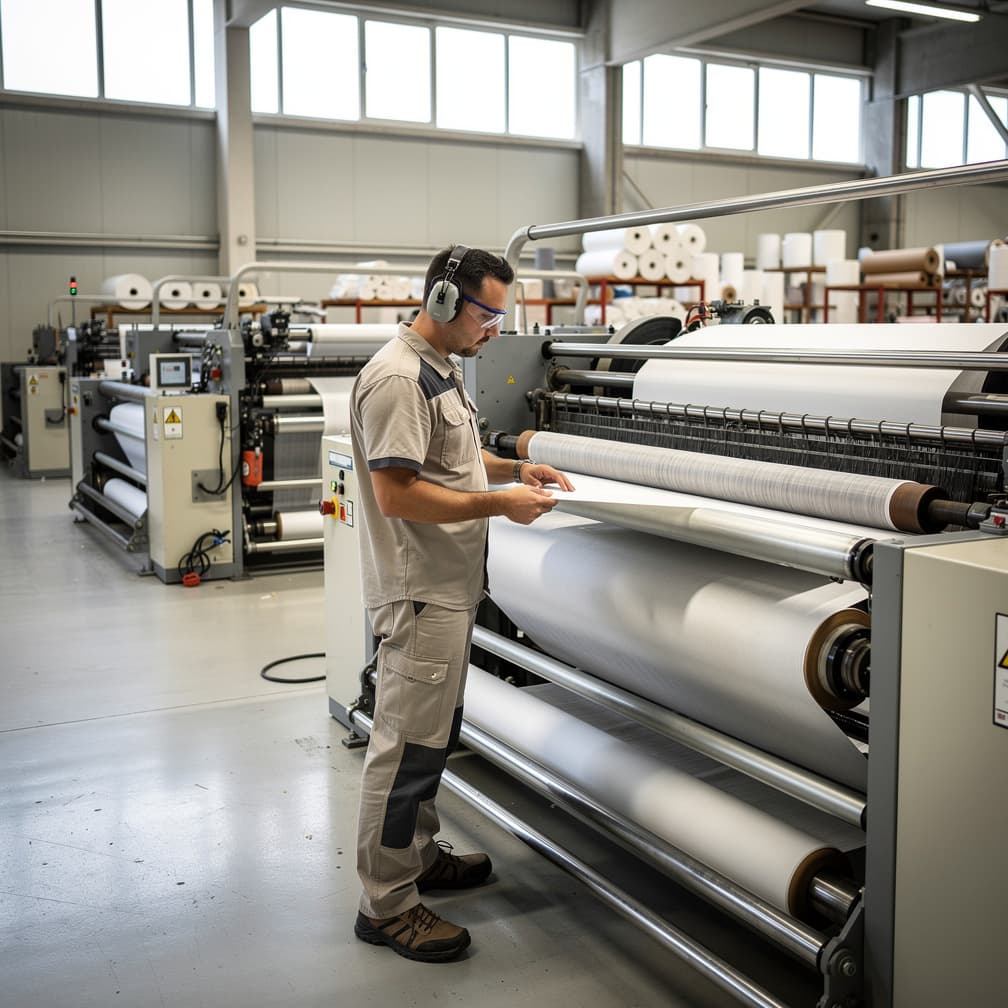

As a textile manufacturer in Memphis, you sign contracts naming your limits long before you meet the person who will enforce them. Buyers, landlords, and lenders each ask for different wording, and the certificate they want is rarely the coverage you already bought. Textile manufacturer insurance in Memphis starts as a paperwork problem and becomes a money problem the day something burns, walks off, or fails a wash test. Your looms and finishing equipment are the balance sheet, and their scheduled values decide what a total loss actually returns. Injury exposure begins at the dock, not at the machine, because vendors and drivers cross the floor every day. None of this is exotic; it is only easy to leave stale. Update the schedule, then take quotes.
What Makes Memphis Different
Hold-harmless clauses move someone else's risk onto your plant in a sentence most owners skim. Signing one does not create coverage; it creates an obligation your policy may or may not follow. Whether the policy follows that promise is a wording question, and the wording hides in the exclusions. A small plant rarely has the leverage to strike the clause from a buyer's standard form. What you can do is bring the signed language to whoever quotes your plant in Memphis. Underwriters read the assumed obligation and price it, or exclude it and say nothing. Where a plant in Shelby County signs a buyer's standard form, the leverage sits on the other side. Read the indemnity paragraph twice, since it is the most expensive sentence you sign all year.
Local Risk Factors in Memphis
Tornadoes and severe thunderstorms combine wind, hail, and flying debris into damage that can hit a plant in minutes. A blown-out dock door or a punctured roof exposes fabric and machinery to wind-driven rain within the same event. Commercial Property generally treats wind, hail, and debris impact as covered perils, so the building, the looms, and the finished stock usually fall under that form. The water that follows through a breached roof is a gray area, and flooding from the same storm system stays outside the policy. Move rolls off the floor and away from bay doors when a warning posts near Memphis. Keep serial numbers and photos of the machines so a plant in Shelby County can prove what a storm destroyed.
What Coverage Does a Textile Manufacturer in Memphis Need?
General Liability
Landlords, buyers, and event venues usually ask for it before they let you operate or ship. General Liability can help cover third-party bodily injury and property damage, such as a delivery driver hurt on your floor or a visitor's damaged goods. It typically excludes damage to your own stock and machinery, which belongs with property coverage instead.
Example: A vendor slips on a wet spot near the dye line and later files a claim for a hurt back. General Liability may respond to the medical bills and your legal defense, up to the policy limit.
Commercial Property
Your building, your looms and finishing equipment, and the raw and finished stock on the floor are the core of what this line addresses. Commercial Property can help cover fire, theft, and sudden water damage to those assets. Flood and slow wear are typically excluded, and a business income limit is what carries the weeks a loss keeps the line down.
Example: A finishing-room fire spreads to a rack of finished rolls one night at a plant in Memphis, and smoke reaches stock the flames never touched. Commercial Property could respond to the damaged goods and the building, subject to your deductible.
Workers Compensation
A loom operator catches a hand in a moving part, or a dye-house worker strains a back lifting a roll: those on-the-job injuries are what this line is meant for. Workers' Compensation can help cover medical treatment and lost wages, and it is rated on payroll and job class. It generally does not respond to a customer or vendor injury, which falls to general liability.
Example: During a night run at a Memphis mill, a sewing operator's hand is caught in a machine, and she needs surgery and weeks off. Workers' Compensation can help with the medical bills and a portion of her lost wages.
Tools & Equipment (Inland Marine)
What a standard building policy leaves behind the moment gear leaves the building is exactly what this line picks up. Inland Marine might help cover portable tools, testing gear, and mobile equipment while off site or in transit. It usually does not reach the fixed production line, which stays with your property policy, and it works best when each item is scheduled at replacement cost.
Example: A portable fabric inspection unit is knocked off a cart and cracked while being moved to a trade show. Inland Marine might respond to the repair or replacement, wherever the damage happened.
Commercial Umbrella
Where an underlying liability limit stops, this layer continues. Commercial Umbrella may help cover a judgment or settlement that runs past your General Liability limit, which matters when a buyer's contract demands a high figure. It sits on top of existing policies rather than replacing them, and it does nothing until the underlying limit is exhausted.
Example: A product-defect suit over a bad dye lot settles for more than the General Liability limit can absorb. A Commercial Umbrella may pick up the excess, so one large claim does not reach the plant's own accounts.
How Much Does Textile Manufacturer Insurance Cost in Memphis?
Textile Manufacturer Insurance is a bundle of separate policies, priced separately. The ranges below are typical figures for Memphis for each line, except workers compensation, which is rated per $100 of payroll; a quote prices each one against your own operations.
| Coverage | Typical range | What moves your price |
|---|---|---|
| General Liability Insurance | $110 - $430 per month | Industry and risk classification, annual revenue, number of employees |
| Commercial Property Insurance | $270 - $1,000 per month | Building value and construction type, roof age and condition, fire protection class |
| Workers Compensation Insurance | $0.75 - $2.74 per $100 of payroll | Employee classification codes, total annual payroll, experience modification rate |
| Inland Marine Insurance | $40 - $160 per month | Total insured value of the scheduled property, type and age of the equipment, where it is stored and how far it travels |
| Commercial Umbrella Insurance | $90 - $300 per month | Umbrella limit requested, limits carried on the underlying policies, loss history on those underlying policies |
Prices shown are general estimates, not guaranteed rates or quotes. Your actual premium will depend on the insurer, coverage selected, business details, location, claims history, and other underwriting factors. Learn about our pricing methodology.
What Are the Insurance Requirements for a Textile Manufacturer in Memphis?
Workers' comp is generally required once you have 5 or more employees. Tennessee generally requires employers to carry workers' compensation at that point. Common exemptions include sole proprietors, partners, and members of LLCs. Confirm current thresholds with your state's workers' compensation agency before you hire.
Flood damage is typically excluded from standard policies. Standard commercial property and builders-risk-type policies typically exclude flood damage. Flood exposure varies address by address, so check your premises in FEMA's Flood Map Service Center before deciding; if you sit in a mapped flood zone, a separate policy through the National Flood Insurance Program is the usual starting point.
Where to verify licensing and coverage rules. The Tennessee Department of Commerce and Insurance publishes consumer guidance and current insurance requirements for Tennessee businesses. When a contract or lease demands specific wording, the Tennessee Department of Commerce and Insurance's guidance is the authoritative place to check.
Get Your Textile Manufacturer Quote in Memphis
Compare rates from multiple carriers. Free quotes, no obligation.
Operating in Memphis
- Stock stored flat on the floor is the first thing a roof leak or a burst line ruins, and a plant in Memphis that racks its rolls a few inches up turns a total loss into a nuisance.
- Buyer contracts increasingly set a limit floor around one million per occurrence, and a plant that signs several such contracts may need an umbrella to satisfy them all at once.
- A property manager in Memphis can hold the keys to a production space until a certificate naming them is on file, so a lapsed policy can delay a move-in or a renewal by weeks.
- Finished rolls carry no serial number once they leave the building, so a pallet loaded onto the wrong truck is gone for good and a claim rests entirely on your inventory records.
How to Buy: Advice for Memphis Owners
Read the exclusions page before the price page, because that is where a policy quietly says no. Flood and surface water usually sit outside a Commercial Property form and are priced as a separate policy. Wear, gradual leaks, and mechanical breakdown are common exclusions that surprise owners after a loss. Ask which of your real exposures fall into those gaps, then decide whether to buy the wording back. Inland Marine can fill some equipment gaps, but only for property that is actually scheduled on it. A plant in Memphis that reads the exclusions first asks participating carriers in Tennessee sharper questions. Compare the quotes on what they exclude, not only on what they charge.
FAQ
Textile Manufacturer Insurance in Memphis: FAQ
That is what Inland Marine is built for. A property policy tends to stay tied to the described location, while Inland Marine can follow tools and mobile equipment off site or in transit. Fixed production machinery is a separate question and may need equipment breakdown wording. Schedule portable items at current replacement cost, because a stale value means a short settlement if one is lost or damaged.
Start with the regulator rather than a rumor. The Tennessee Department of Commerce and Insurance publishes consumer guidance on the coverage small businesses commonly need, and it lays out what is mandatory versus what is merely customary. Contracts usually demand more than any statute does, so read your buyer and lease agreements alongside it. Between the two, the contract usually sets the higher bar.
It can, through products and completed-operations coverage inside a general liability policy. If a finished roll fails a wash test or a dye lot is off spec after delivery, a third party may claim damages and the policy may respond to defense and settlement. Intentional acts and simply reworking your own product are usually excluded. Ask how defense costs are treated, because on a disputed lot they can outrun the claim itself.
Likely, because payroll is the main driver of the Workers' Compensation line. Adding people raises the payroll the rate applies to, and a night shift can move some duties into different class codes. Report changes honestly rather than waiting for the audit, which reconciles the real figures with interest. Carriers in Tennessee may rate the same duties a little differently, so it is worth comparing at renewal.
Gather annual payroll split by job, the replacement value of stock and machines, a current equipment list with model and age, and a few years of loss history. Vague inputs get priced as though the worst assumption were true, so precision lowers the number honestly. If contracts require specific limits or additional insureds, bring those too. One clean packet lets several carriers quote the same plant.
Recovery takes longer, and the delay is the expensive part. Where a county supports few mills, the adjuster who has seen a dye range may be hours away, and replacement parts and techs travel to reach you. A plant in Shelby County can wait weeks for a repair a dense market would finish in days. Size your business income limit against that real timeline, not against the visible damage.
Sources
- 1.Tennessee Department of Commerce and Insurance(Tennessee Department of Commerce and Insurance publishes consumer guidance for insurance buyers.)
- 2.FEMA / FloodSmart(Flood coverage is typically purchased separately; FEMA administers the National Flood Insurance Program.)


